


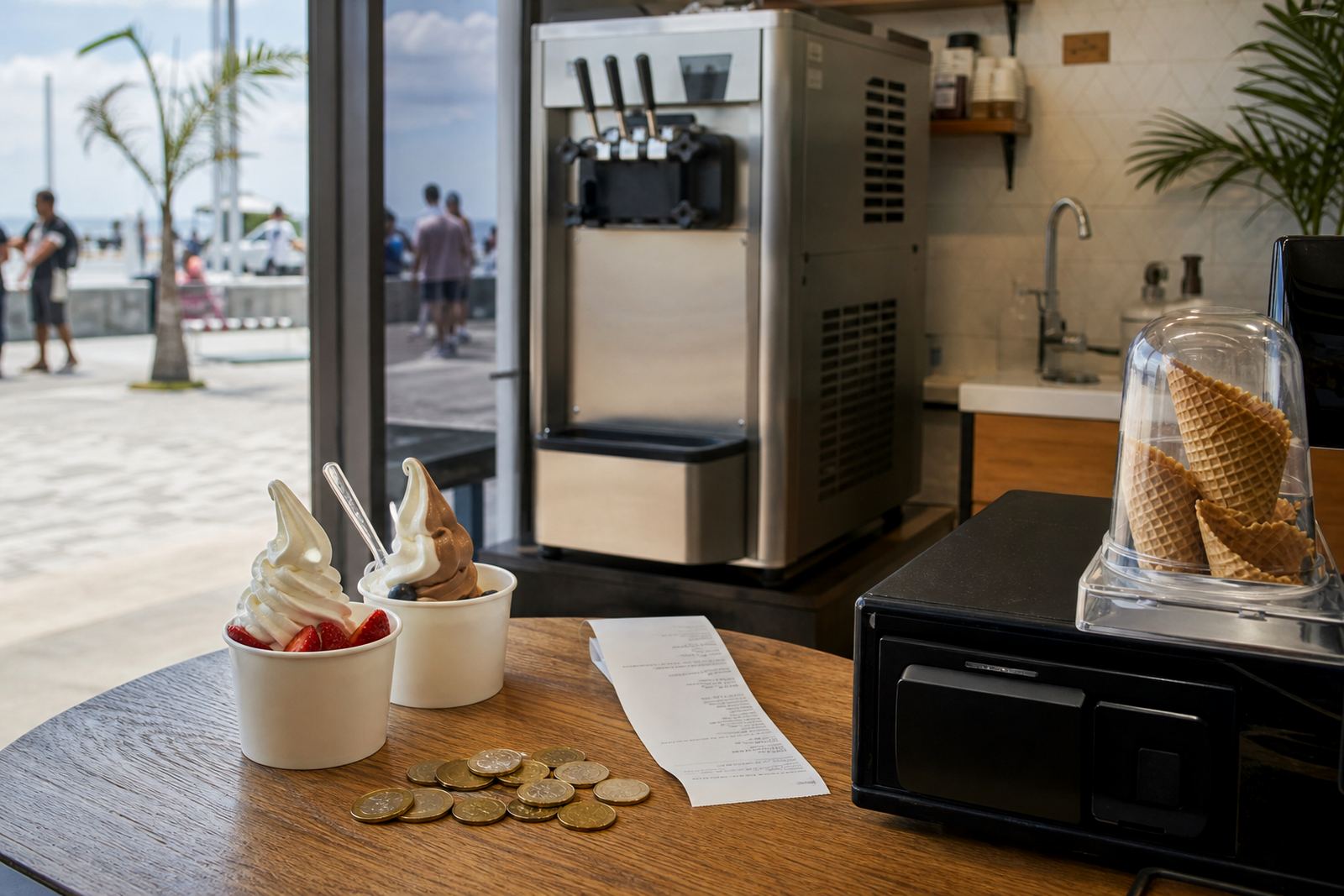
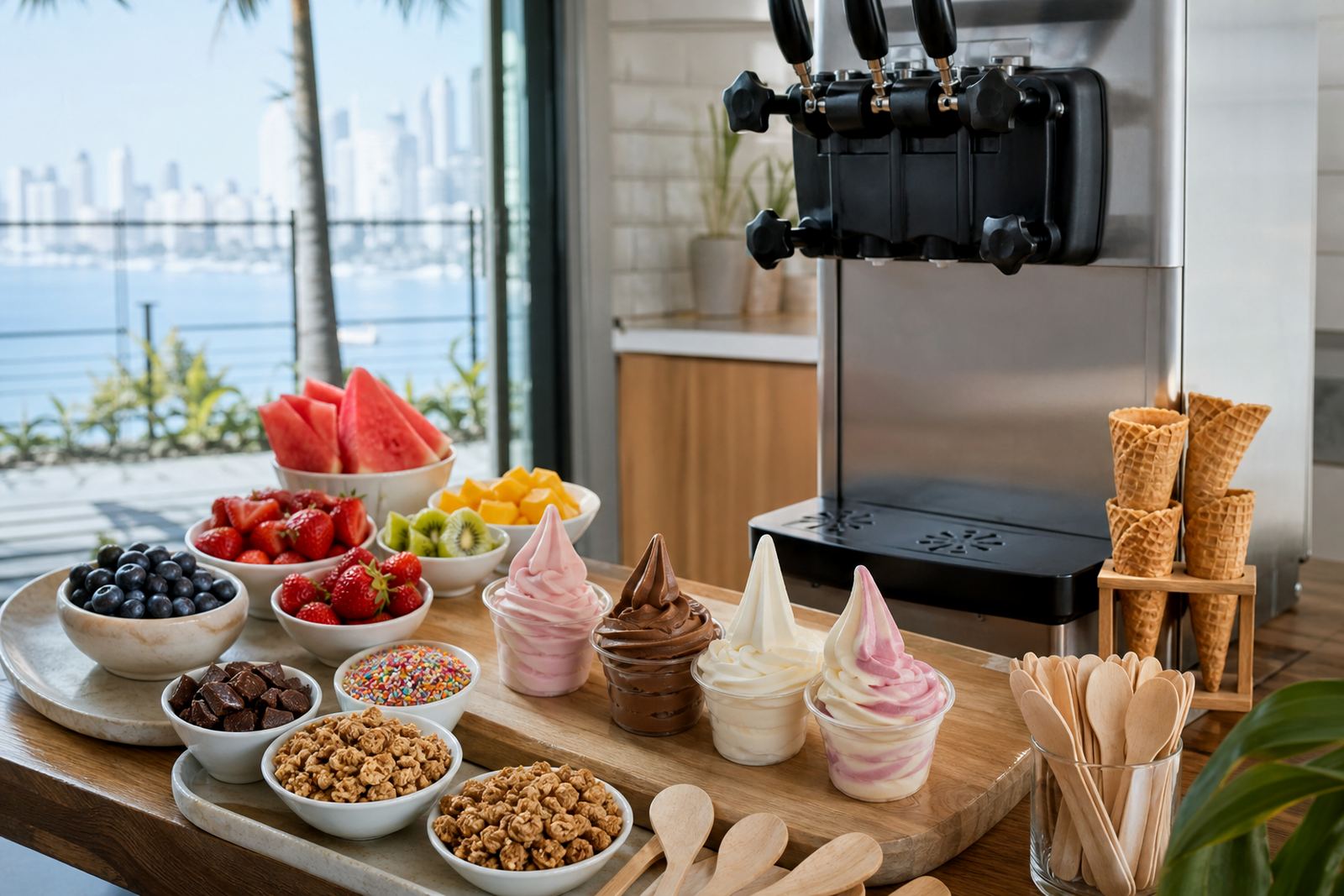





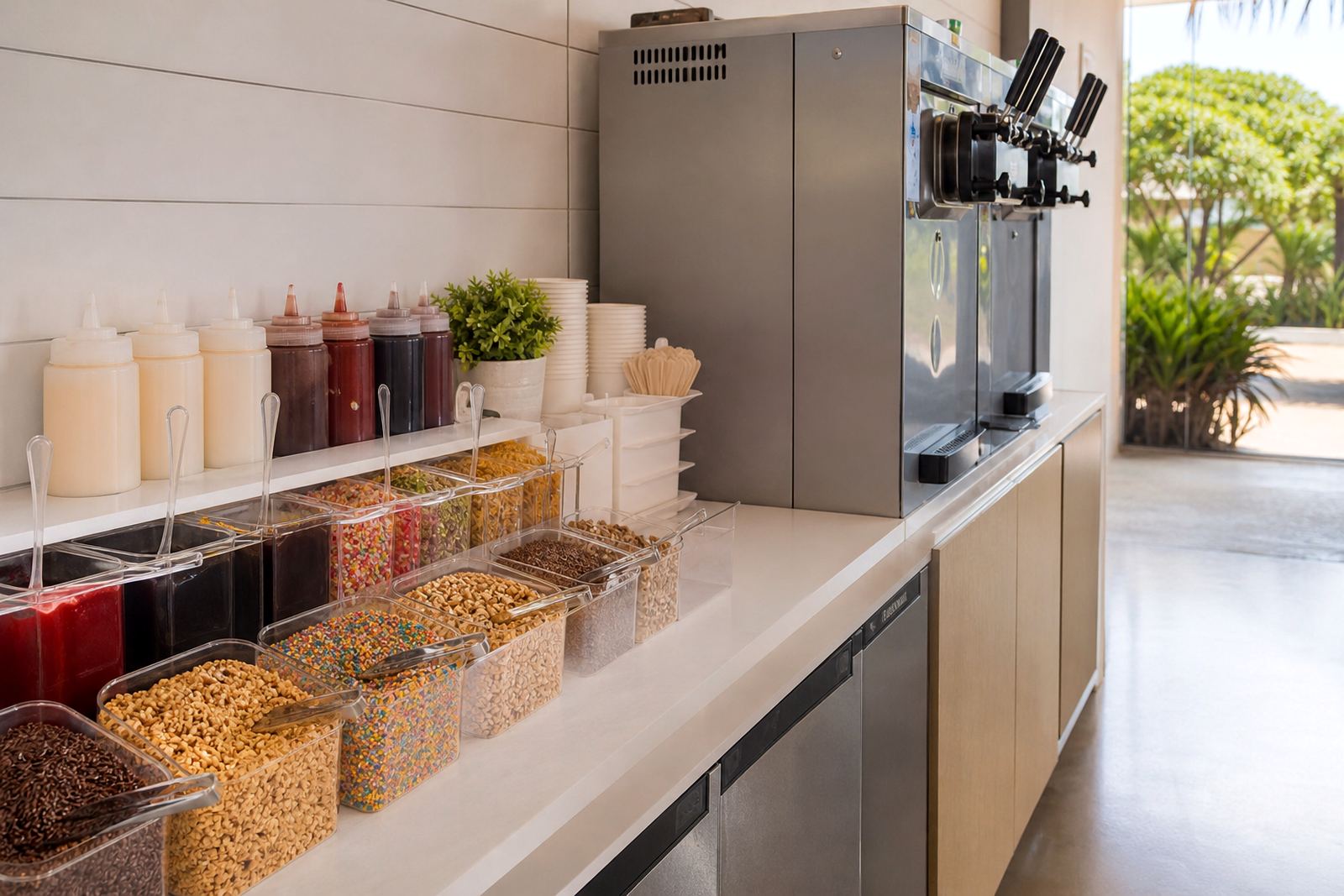







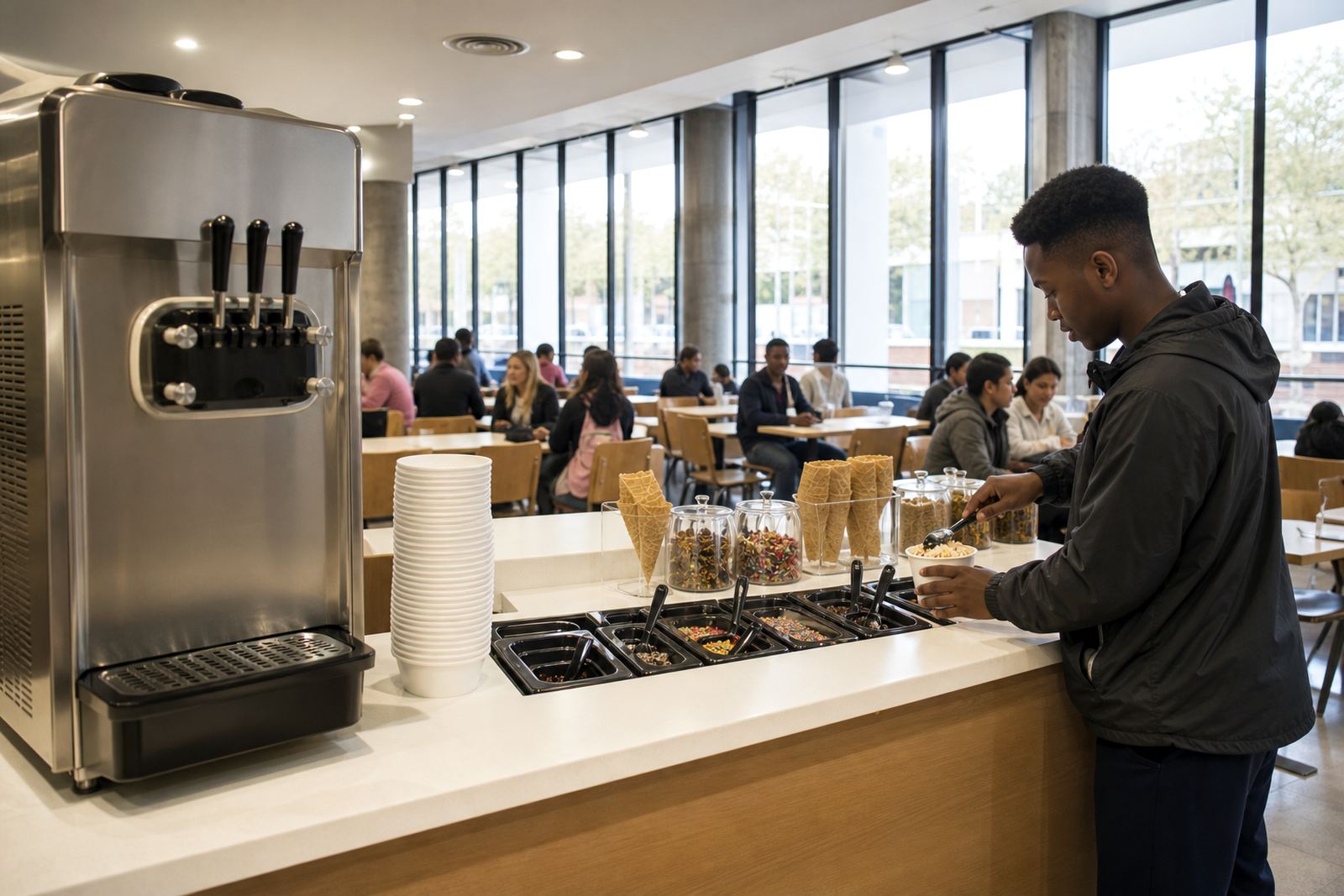












What you will find in the journal
This journal covers the everyday details that matter when you are serving frozen treats in Durban, Johannesburg or Cape Town. You will find articles on choosing the right machine size, keeping mix quality consistent, planning for busy weekends, and managing service during load-shedding or power dips. The aim is to help you make better decisions without wasting time on guesswork.
We write for operators who need practical guidance, whether you run a beach kiosk in Umhlanga, a restaurant in Pretoria, or a café in Gqeberha. Some pieces focus on new menu ideas, while others deal with cleaning routines, parts wear, or how to prepare for school holidays and summer rushes.
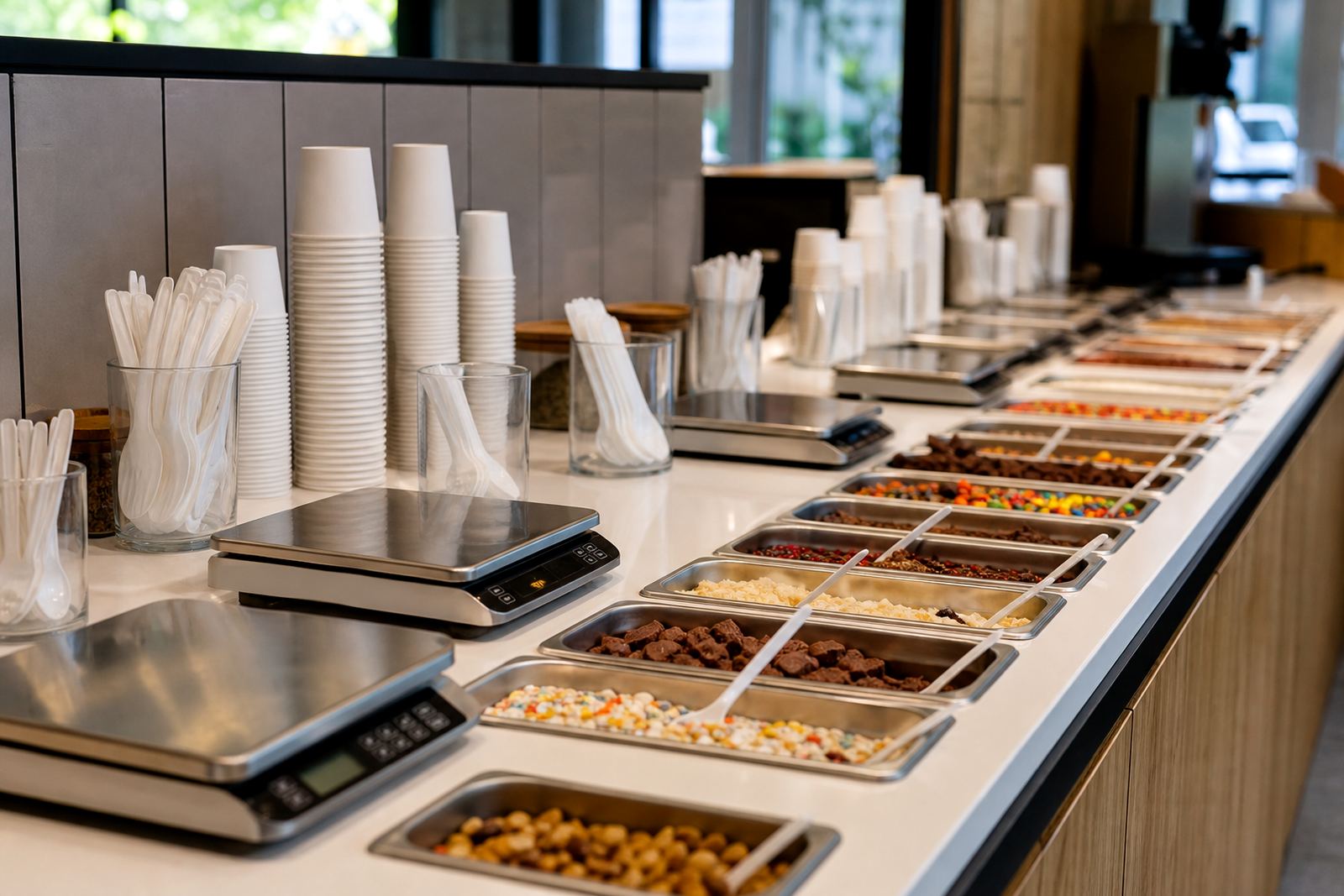
- Menu planning for soft-serve and frozen yoghurt
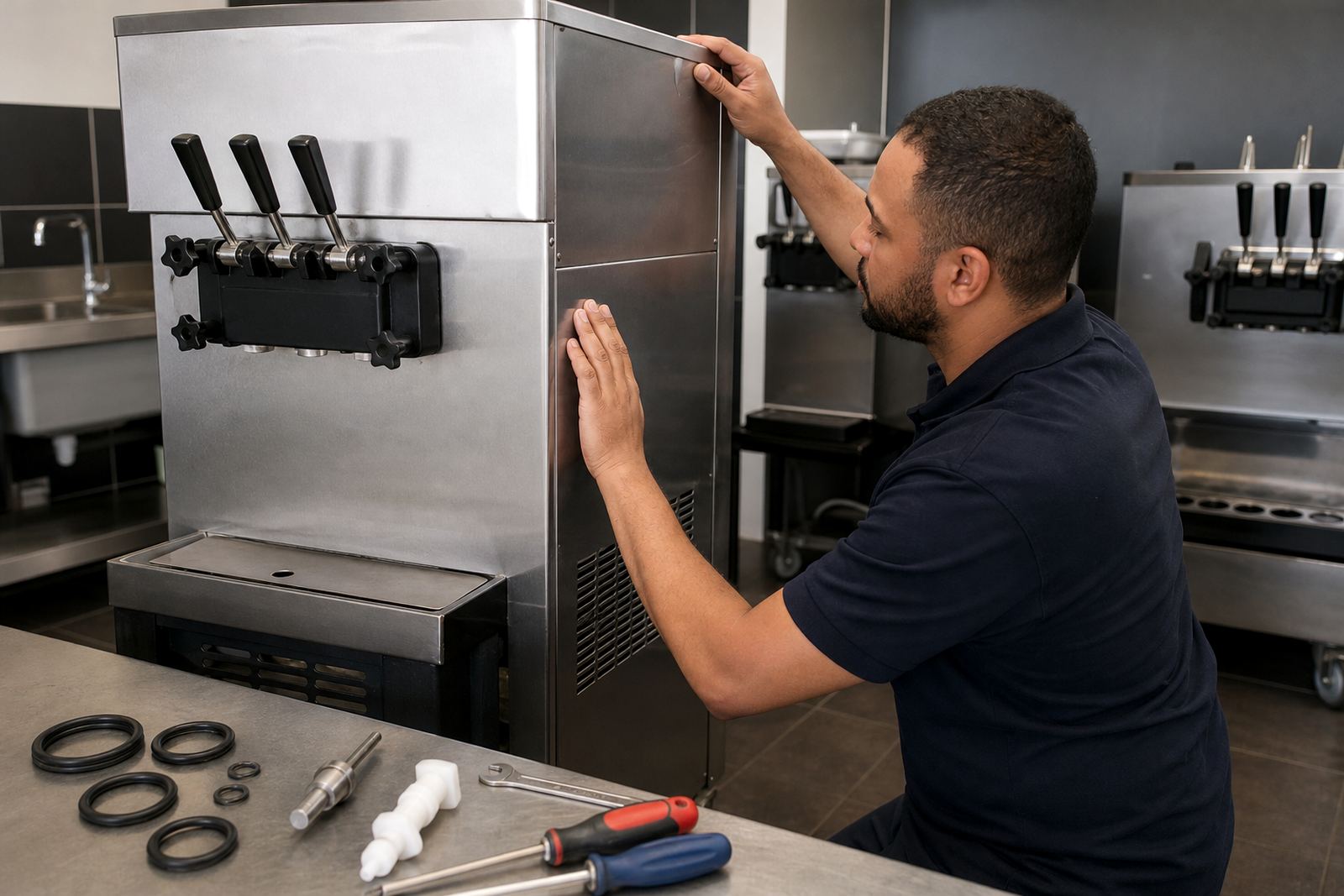
- Machine care, cleaning and daily checks
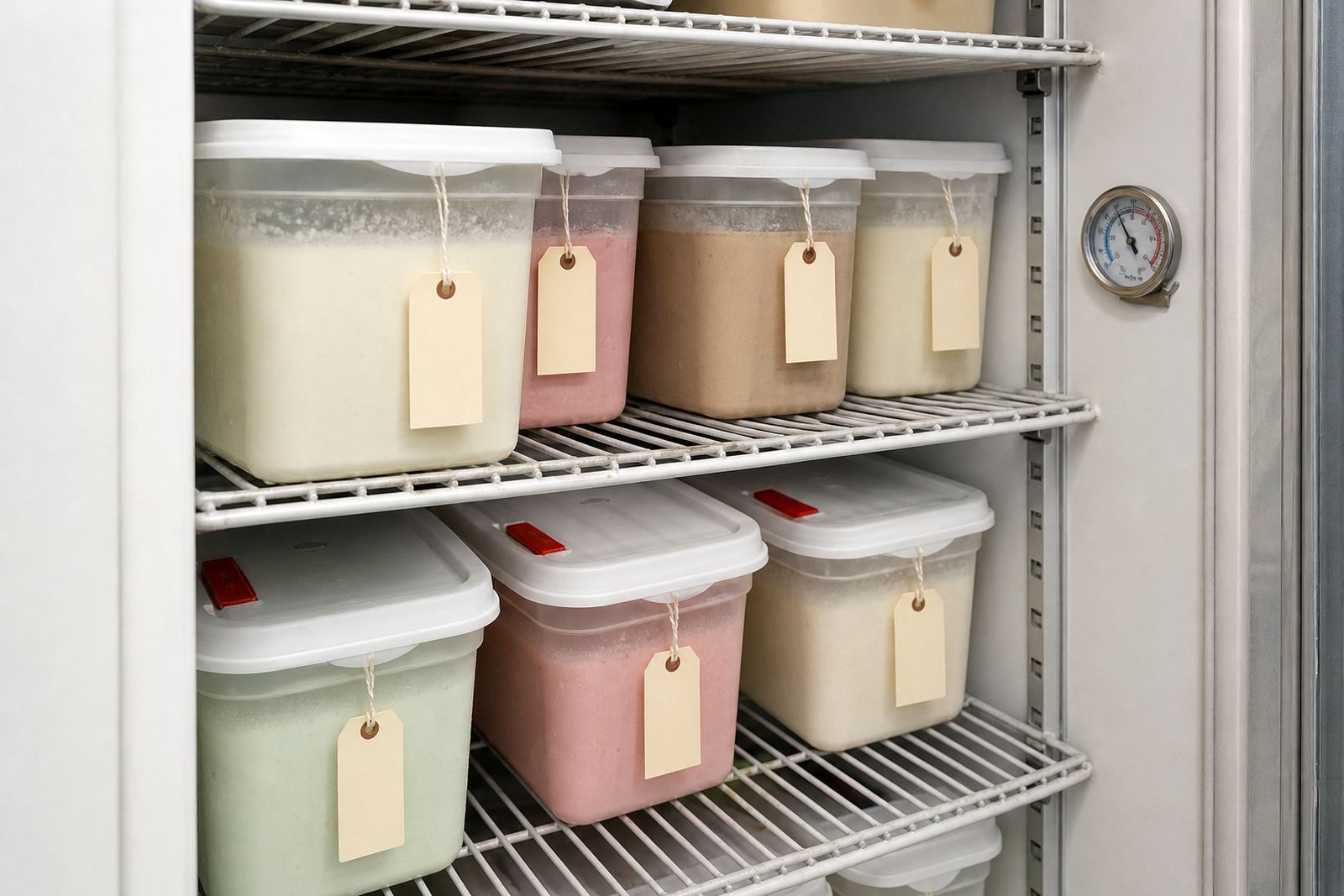
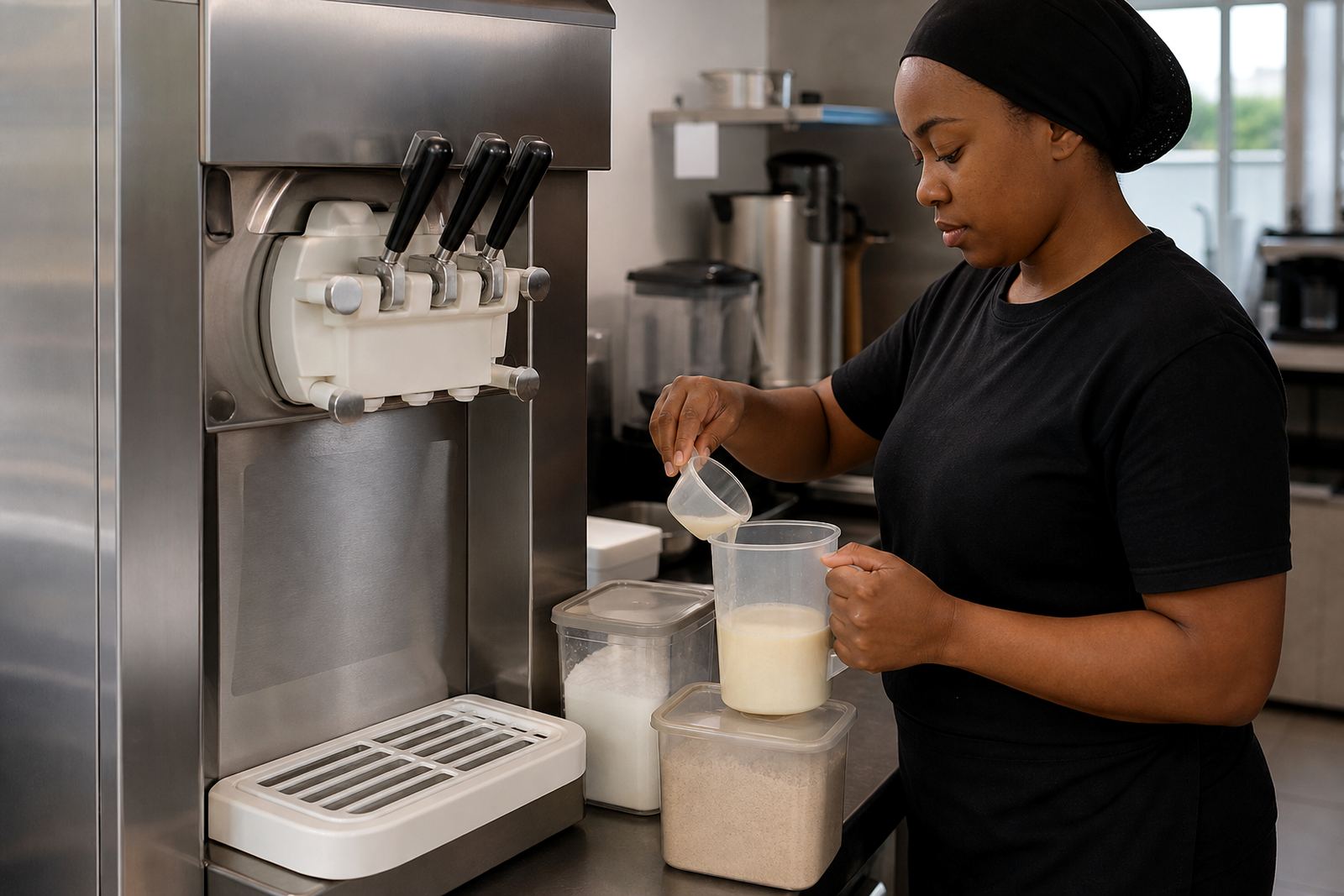
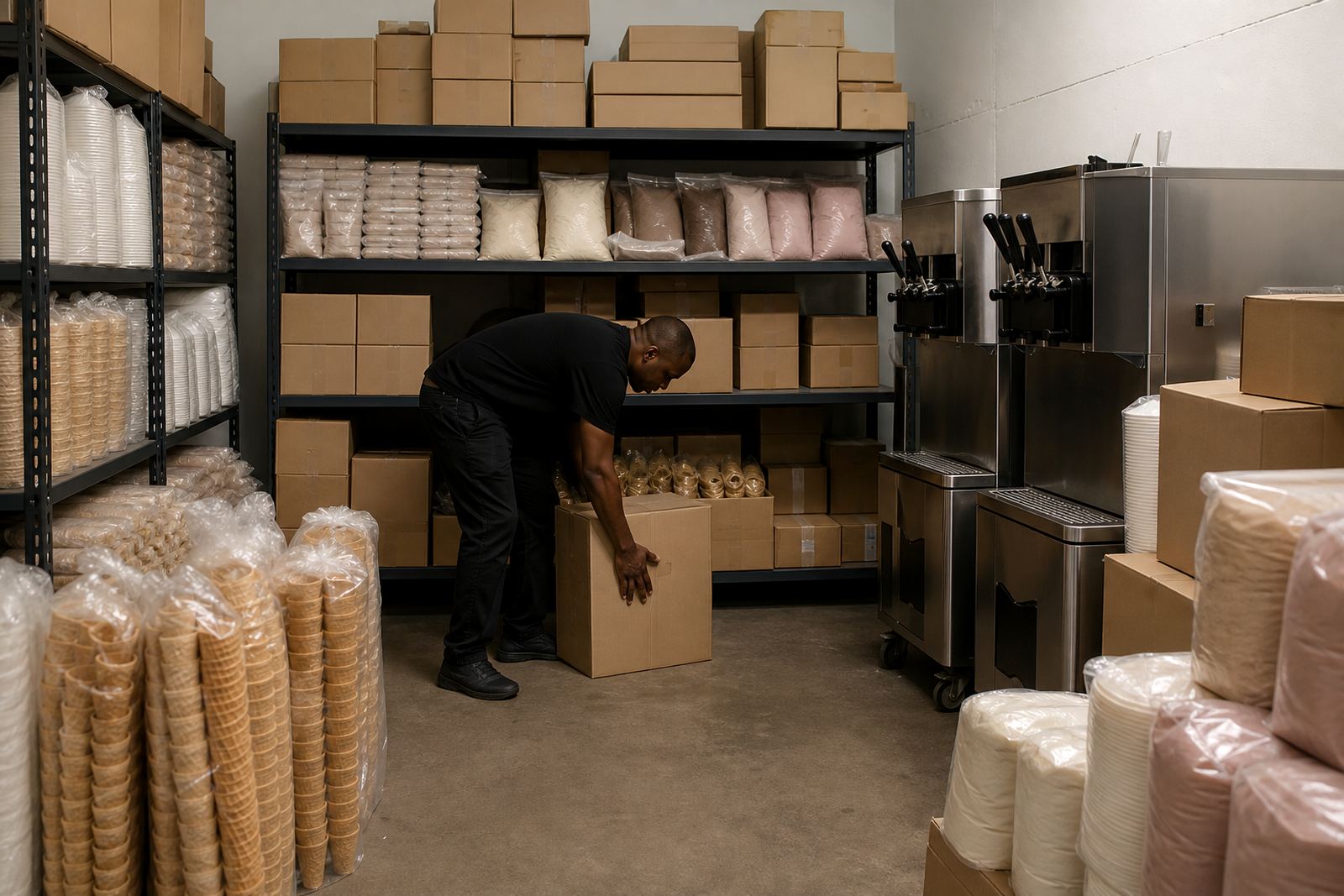
- Mix handling, storage and calibration
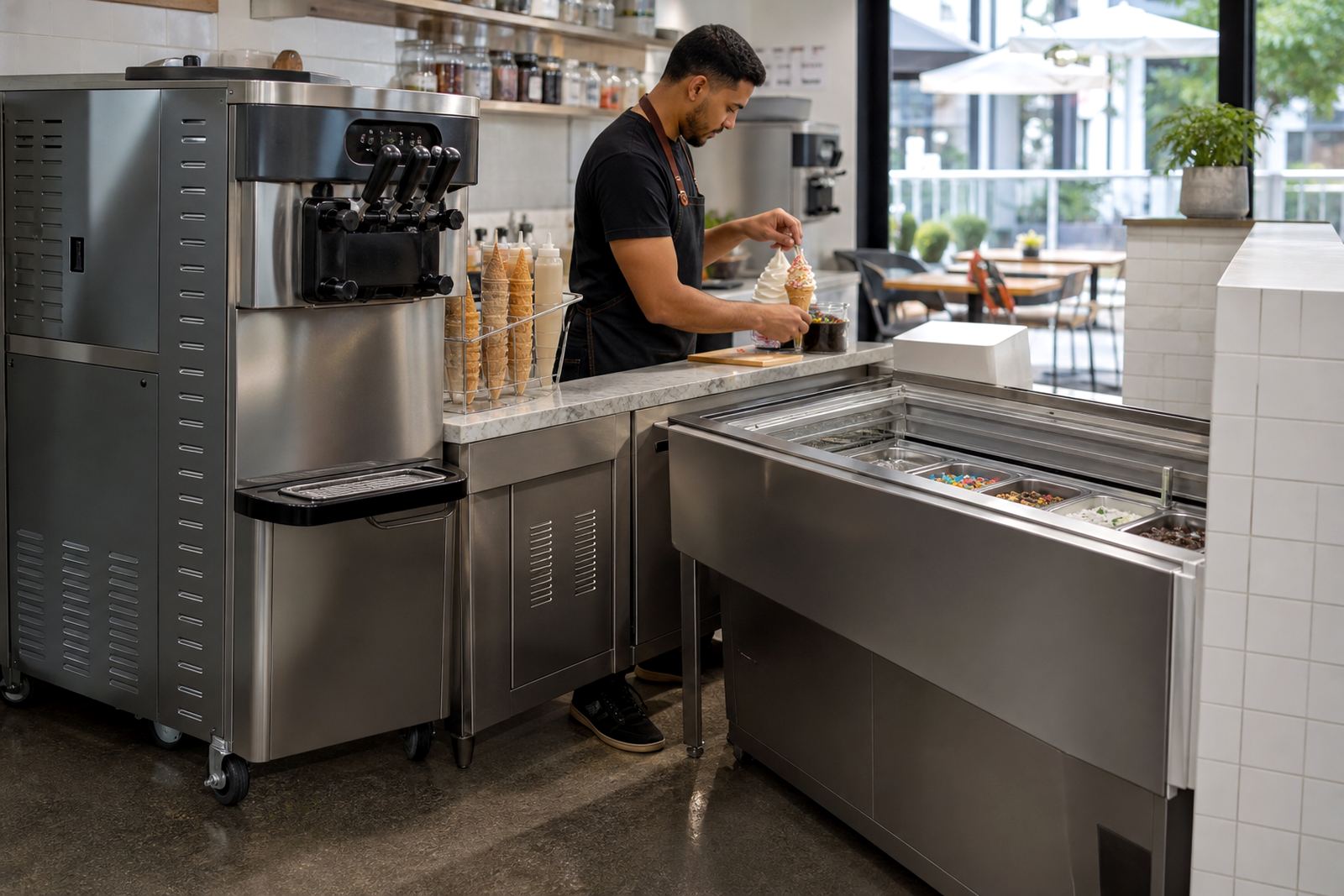
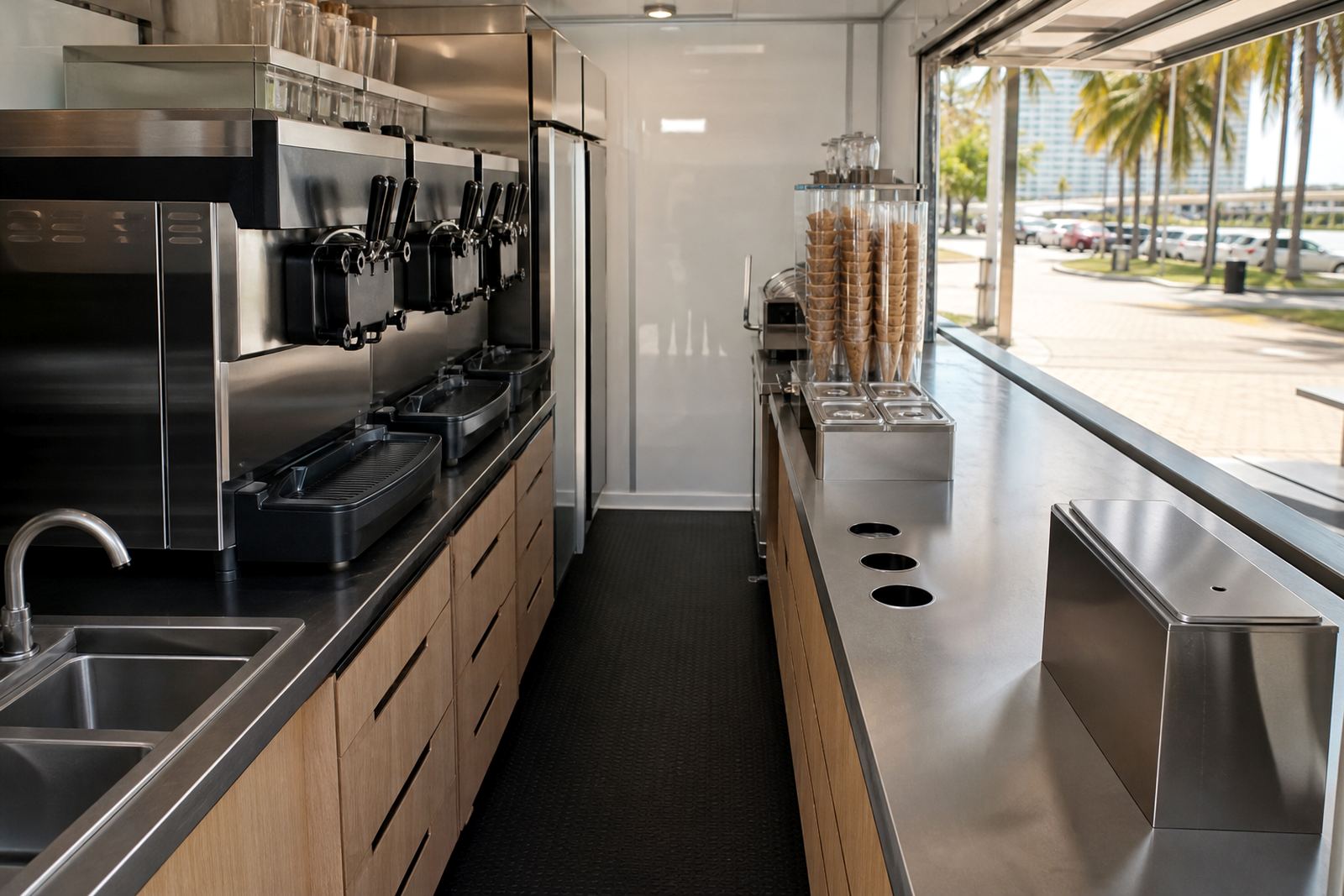
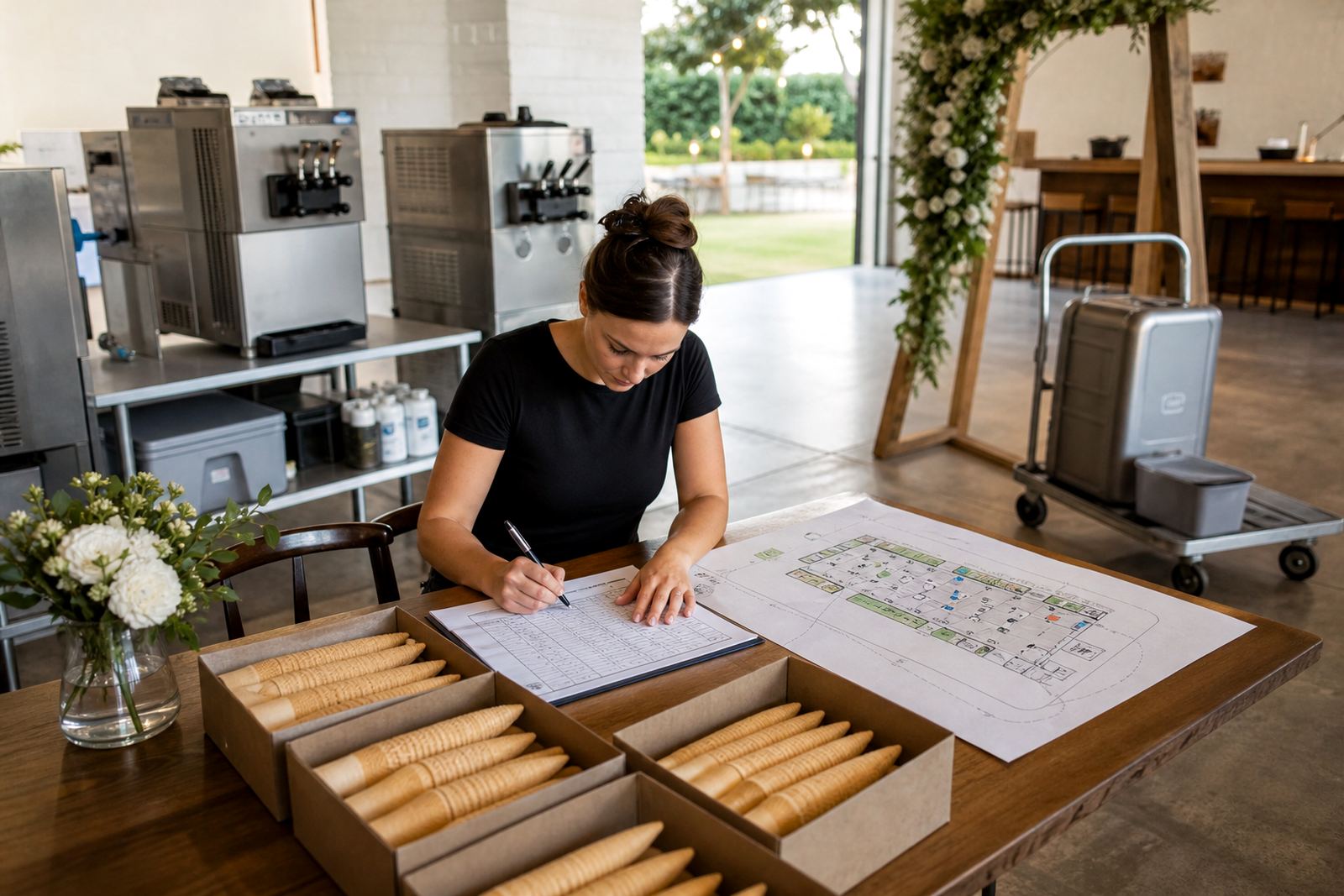
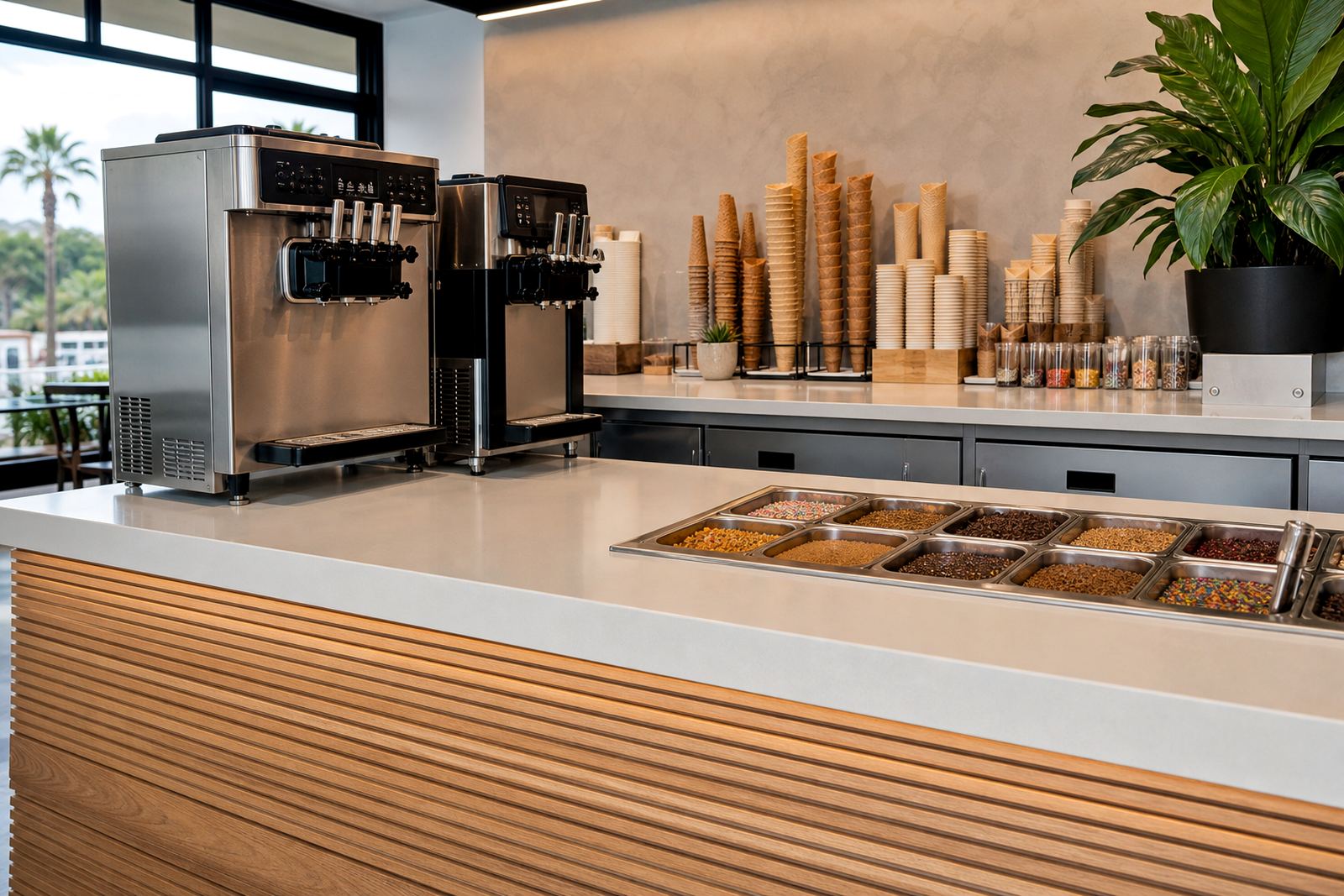
- Store setup for kiosks, cafés and restaurants
How to choose the right article for your setup
If you are comparing options, start with your trading style. A kiosk with a short counter and steady foot traffic needs different advice from a sit-down restaurant with dessert service after lunch and dinner. Capacity, space, and power supply all affect what will work best. A small site in Springfield Park may need one approach, while a larger outlet in Cape Town might need something else entirely.
Use the journal as a guide when you are deciding on equipment, menu lines, or maintenance timing. The articles are grouped around common operator questions so you can move quickly from planning to action, without getting stuck in technical fluff.
- For new setups, read about installation and startup planning
- For existing outlets, look for maintenance and fault-prevention advice
- For sales growth, choose menu and upsell articles
- For seasonal trading, check prep notes before summer and holiday peaks
Menu ideas that suit South African customers
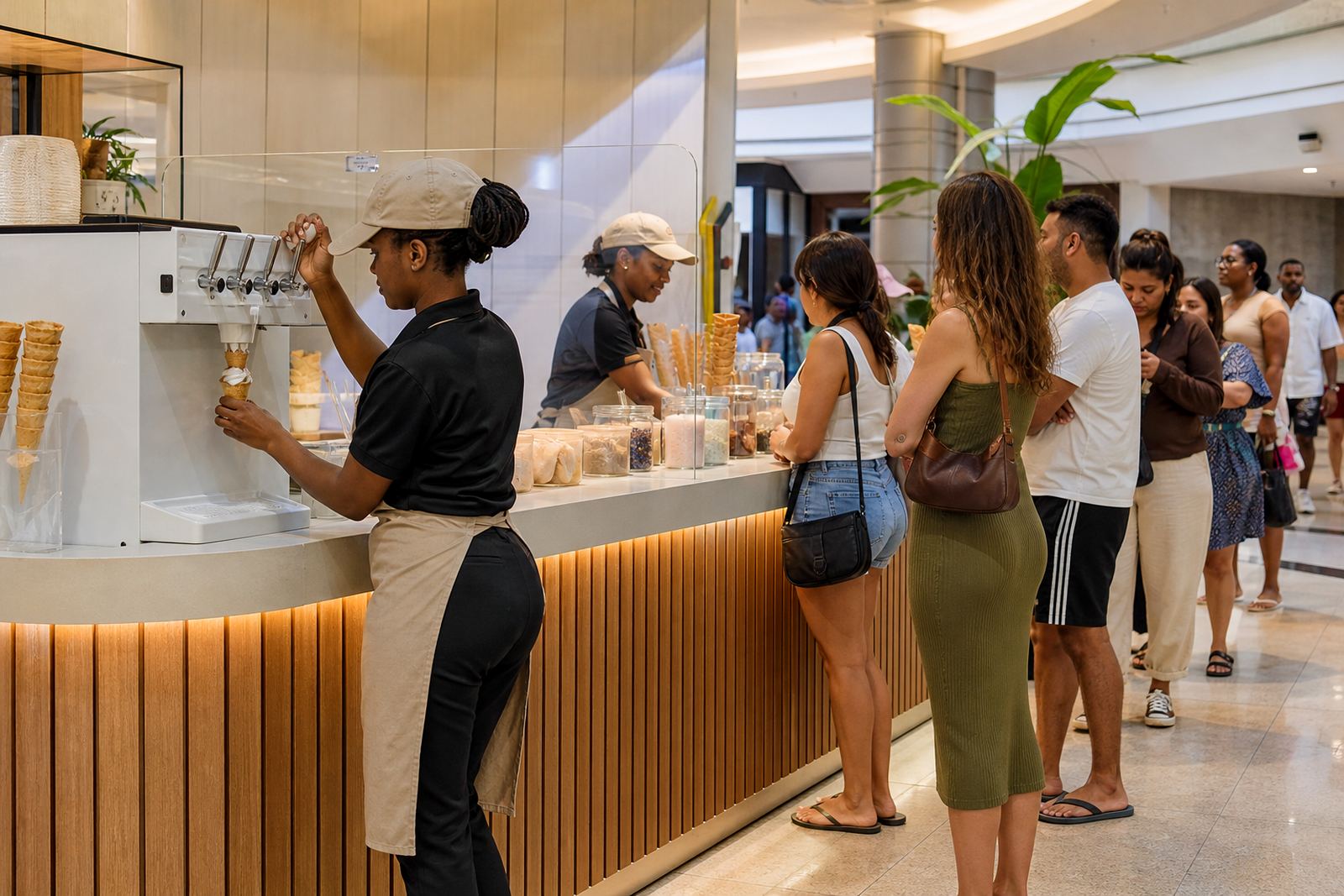
Frozen dessert menus work best when they are easy to understand and quick to serve. South African customers respond well to familiar flavours, clear pricing, and visible portion sizes. In busy areas like Johannesburg and Durban, speed matters as much as variety. A short menu that is well made often performs better than a long list that slows the queue.
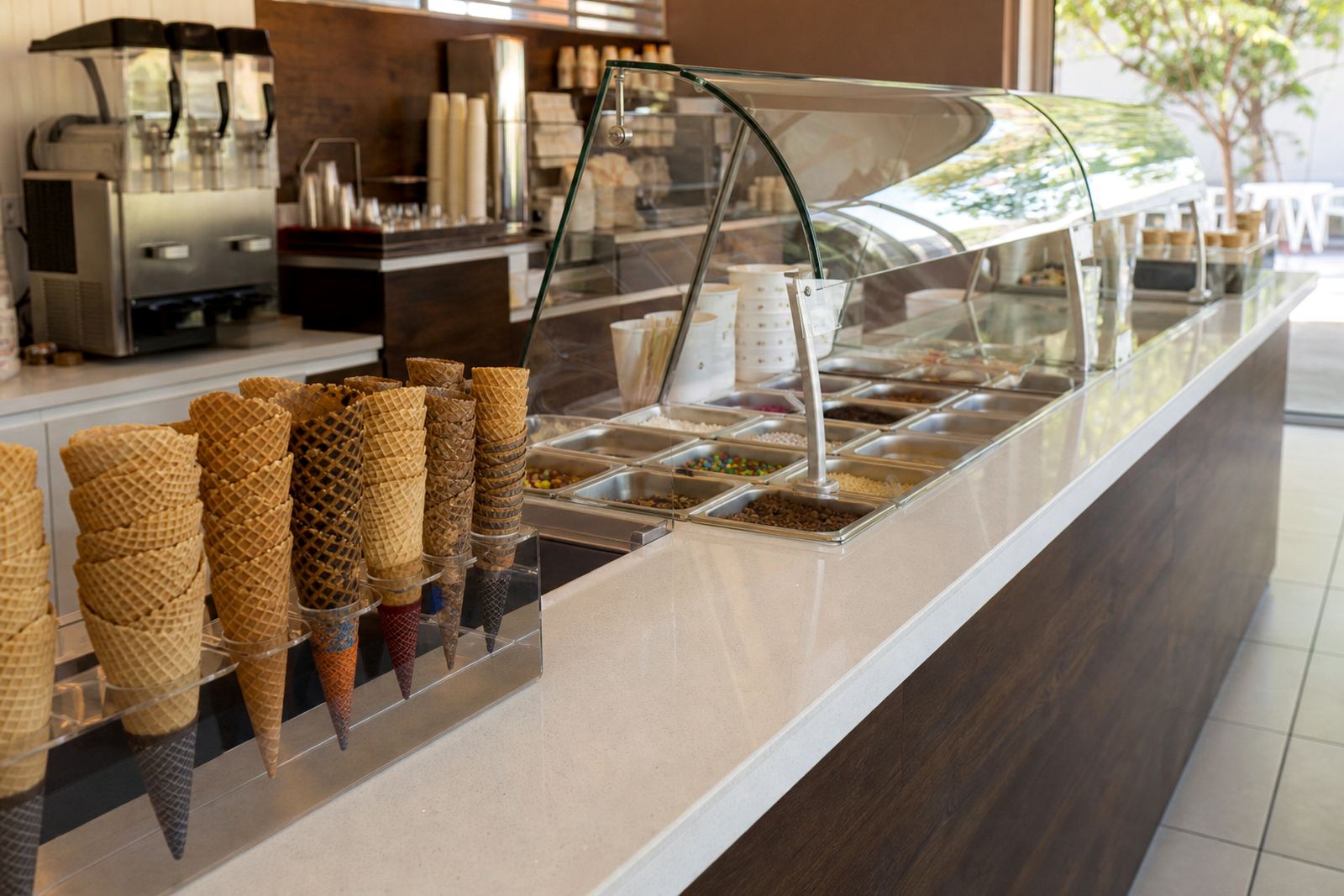
The journal looks at combinations that suit cafés, kiosks and family restaurants, including topping ideas, cone pairings and serving formats that hold up in warm weather. We also cover how to adjust offers for coastal humidity, where some products soften faster, and inland sites where afternoon demand can come on fast after school let out.
Care routines that protect your machine
Good equipment care starts with regular habits. Daily cleaning, correct sanitising, and basic checks on seals and mix flow can prevent most service interruptions. In towns where electricity is unstable, it pays to know how to restart safely after a trip or outage, and when to call for support instead of pushing the unit too hard. That simple step can save a lot of hassle, and a bit of product wastage too.
The journal also covers seasonal maintenance, especially before the hot months when demand rises sharply. If your outlet sits near the coast, salt in the air can affect fittings and exposed parts faster than people expect. In these cases, cleaning and inspection are not just good practice, they are part of protecting your stock and your earnings.
- Wipe and sanitise food contact parts at the end of trading
- Check seals, O-rings and mix feed points for wear
- Confirm the mix is calibrated correctly before service starts
- Schedule deep cleans before peak holiday periods
Planning for power cuts, weather and busy trade
Load-shedding changes the way many outlets trade, especially when the weather is warm and foot traffic stays high into the evening. Journal articles in this section explain how to prepare your team, how to manage stock during interruptions, and how to avoid unnecessary strain on your machine when power returns. This is useful for operators in Durban, Pietermaritzburg and other busy trading areas.
We also deal with practical issues like summer humidity, sudden rain on footfall, and local trading conditions that affect product movement. If you operate inside a centre or under municipal rules for waste handling and cleaning, these notes help you keep your service steady while staying organised and compliant.
Who this journal is written for
The Soft-Serve Journal is for people who work with customers every day and need information that is easy to apply. That includes café owners, kiosk operators, restaurant managers, and supervisors who want a better handle on equipment care and frozen dessert sales. It is written in plain language, with enough detail to be useful on site, not just on paper.
If you are based in Springfield Park, Umhlanga, Johannesburg, Pretoria, Cape Town, Gqeberha or nearby areas, you can use these articles to guide purchasing choices, service planning and menu updates. The result is a more confident team, fewer disruptions, and a better frozen dessert offering for your customers.
- Practical advice for operators at every stage
- Useful for single sites and multi-branch businesses
- Local context for South African trading conditions