
Use toppings that can handle humidity and foot traffic
Beachfront toppings must survive warm air, sand, wind and constant opening and closing. Sticky sweets and delicate biscuits can become messy quickly, while firmer toppings stay presentable for longer. In coastal KwaZulu-Natal, humidity can soften dry ingredients faster than many owners expect, so storage matters as much as flavour.
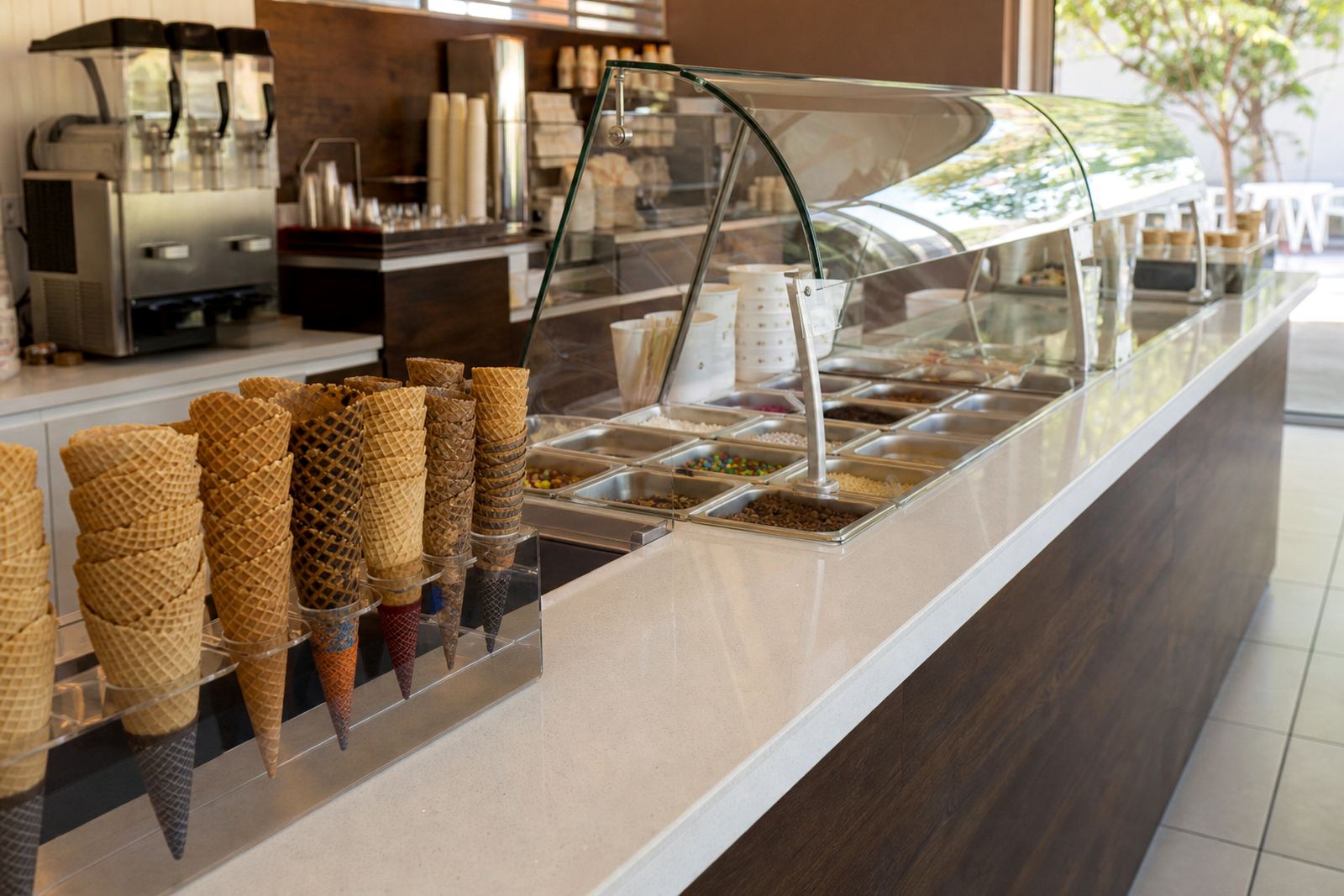
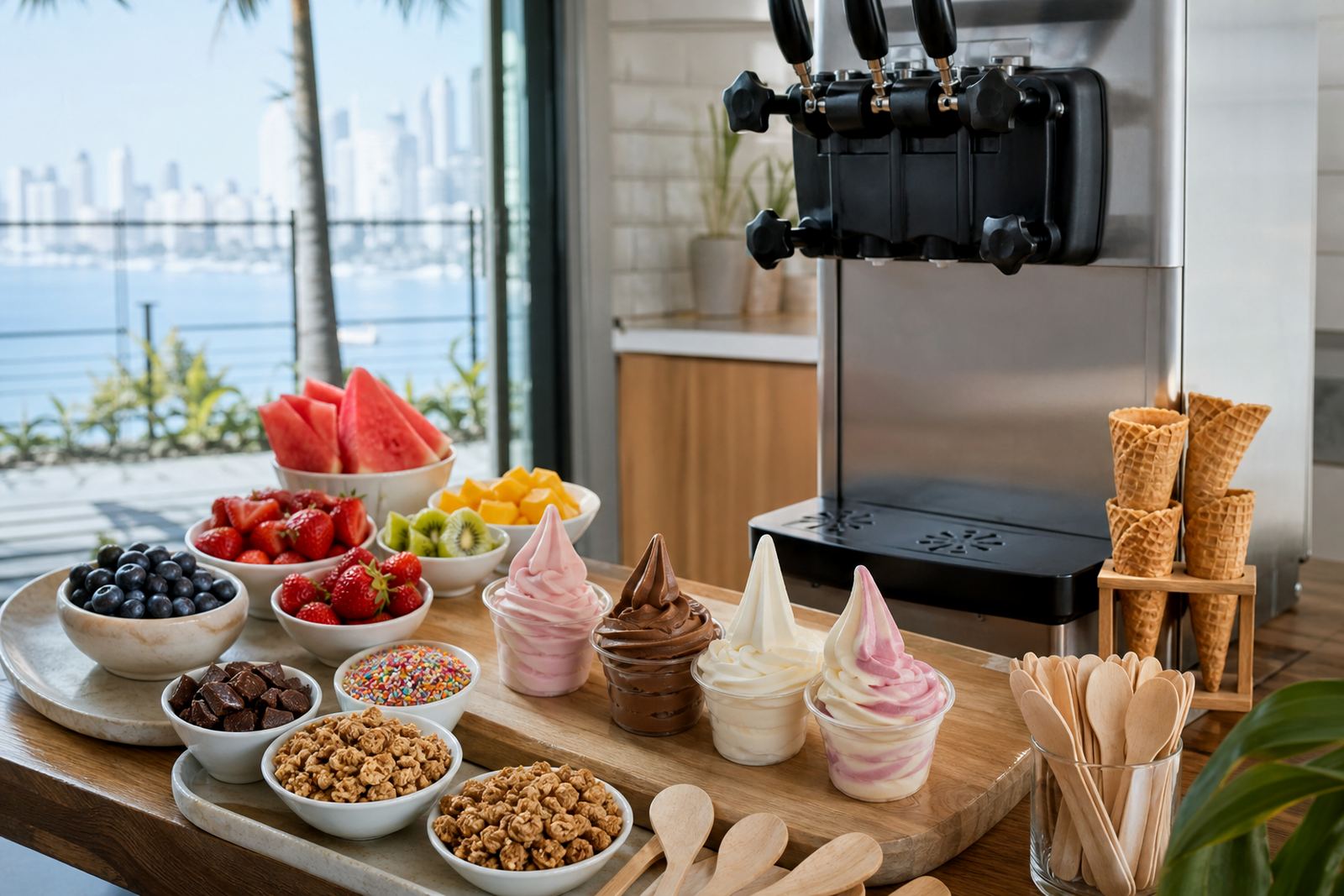
Keep the topping bar practical. Fruit pieces, chopped nuts, crushed biscuits, chocolate chips and a couple of sauces are enough for most kiosks and cafe counters. Avoid anything that turns soggy in open containers. If you are serving near the beach in Umhlanga or along the Durban promenade, use lidded containers and top up in smaller batches through the day.
- Fresh fruit that can be portioned quickly, such as banana, strawberry or pineapple
- Crunch toppings with longer holding times in humid conditions
- Two sauces only, so the service line does not stall
Simple combinations also help with stock control. You can track what sells by the tray and not by guesswork, which makes ordering easier for a small team.
Price the menu for holiday volume, not just single sales
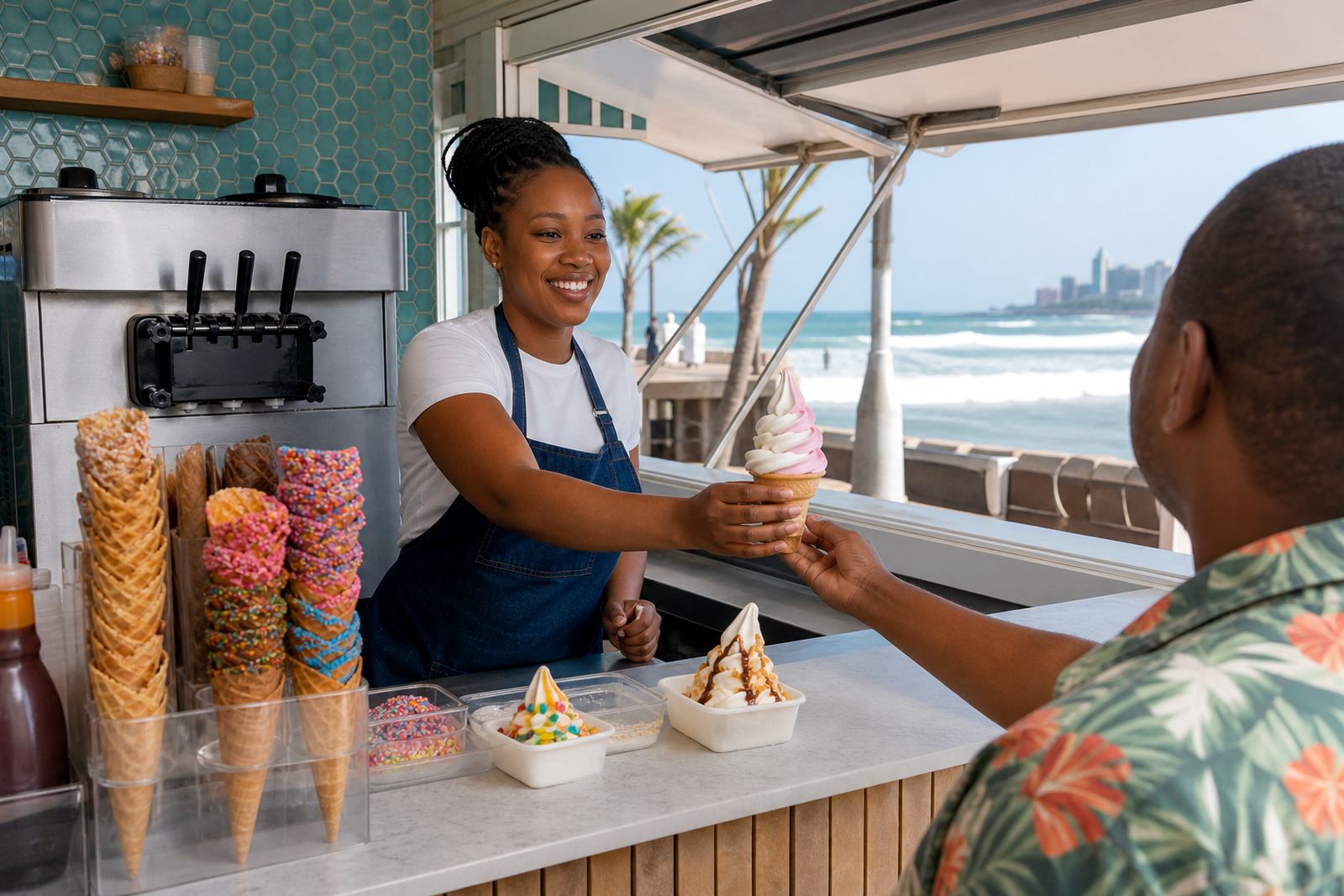
Beach trading is different from a weekday counter in a mall. Families buy in bursts, tourists want quick decisions, and children often lead the order. That means pricing must be clear and the portion sizes should suit impulse buying. A smaller cone at an accessible Rand amount often outperforms a large premium cup on a hot day.
Try structuring the menu in three price bands. Entry level items should be easy for a passing customer to commit to. Mid-range items can include one topping or a double swirl. Premium items should add fruit, nuts or an extra sauce, but they still need to feel like good value. On the beachfront, value is about size, speed and freshness, not just the lowest price.
It also helps to design family-friendly bundles. A parent is more likely to buy three or four items if the pricing is obvious and the wait is short. When service is quick, the average ticket can rise without making the order feel complicated.
- Entry level: plain cone or small cup
- Mid-range: cone with one topping
- Premium: larger cup with two toppings and sauce
Choose combinations that suit kids, couples and groups
Different customer groups buy different frozen desserts, especially on the coast. Children often want colour and sweetness. Couples may prefer something lighter, like frozen yoghurt with fruit. Groups usually want a mix of both so nobody waits while one person customises every detail.
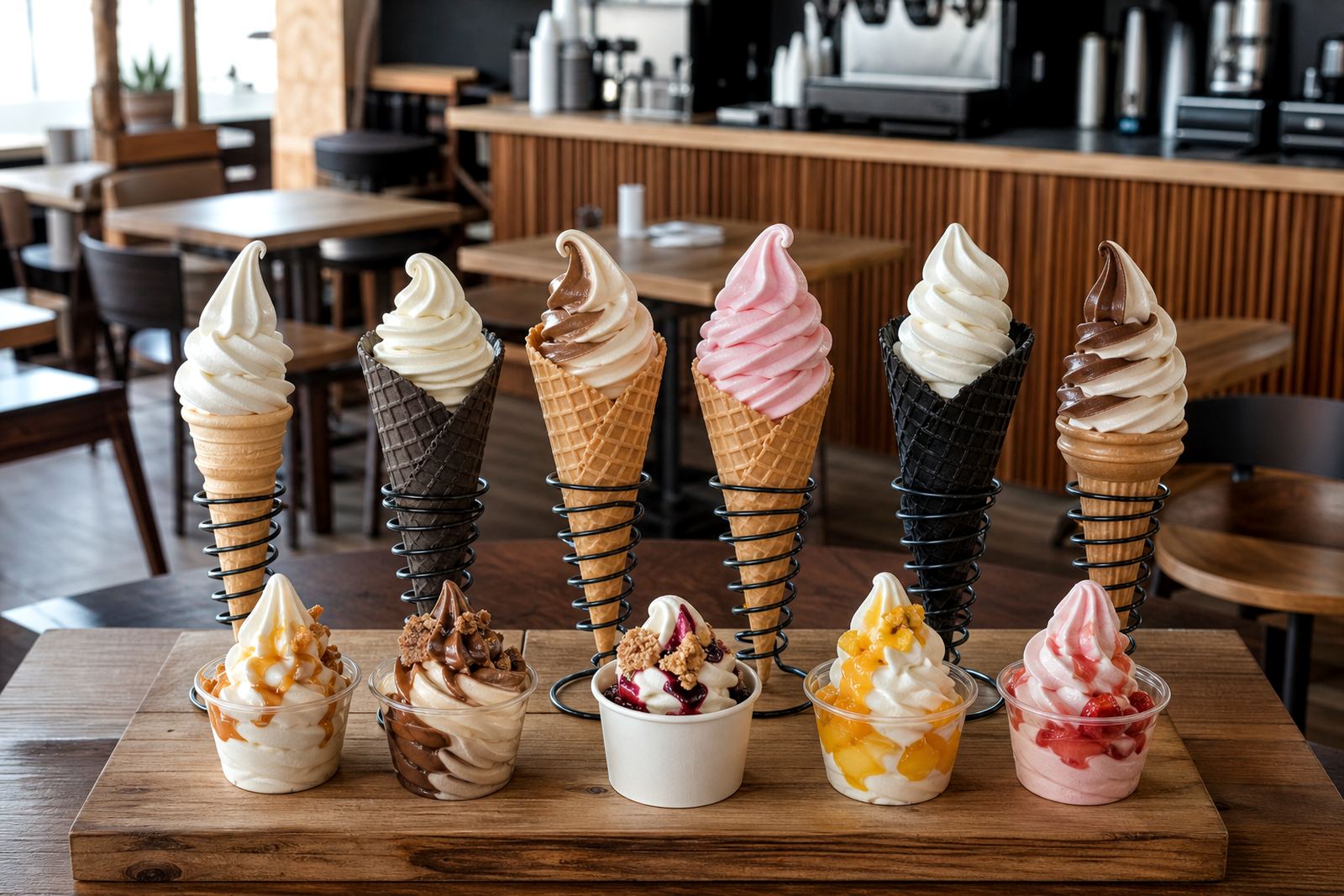
For a beachfront menu, it is worth having a few named combinations that staff can remember easily. The names do not need to be fancy. They just need to match the product and speed up the order. A banana and caramel soft-serve, a berry frozen yoghurt cup and a chocolate crunch cone can cover a lot of demand.
Local example: a Durban kiosk near the promenade can serve a morning crowd of joggers, then shift into family trade after lunch and again in the evening when the weather cools a bit. The same machine can handle all three periods if the menu stays tight and the mix quality is consistent. Thats where good prep makes the difference.
- Soft-serve with banana and caramel for children
- Frozen yoghurt with berry topping for lighter orders
- Chocolate crunch cone for quick grab-and-go sales
Keep the back-of-house setup ready for load-shedding and heat
Beachfront food service in South Africa has to deal with power cuts, fluctuating foot traffic and high ambient temperatures. Frozen dessert equipment needs stable care, especially when load-shedding hits during a busy service window. If the machine is not maintained properly, texture and output can change fast.
Good planning starts with the basics. Check ventilation around the machine, keep cleaning routines strict and make sure operators know the signs of pressure build-up or mix inconsistency. In coastal areas, salt air can also affect exposed parts and fittings, so cleaning and preventive maintenance should be scheduled before problems begin.
If your site relocates for seasonal trade, such as moving from winter indoor service to summer beachfront trading, allow time for site checks, calibration and operator training. That way the team does not learn under pressure while customers are waiting.
- Test the machine before peak weekend trade
- Keep sanitising supplies close to the serving point
- Plan a service check before school holidays and public holidays
A seasonal menu should still work on slow days
A beachfront menu should be flexible enough for December crowds and quiet weekday mornings. The trick is to keep the same core items while adjusting one or two extras for the season. In summer, fruit toppings and lighter yoghurt cups usually move well. In cooler months, richer sauces and chocolate combinations can keep sales steady.
This approach also helps smaller businesses that trade in cafes or kiosks across Durban, Johannesburg, Pretoria, Cape Town and Gqeberha. The equipment and mix range can stay consistent while the menu changes slightly by location and weather. That means less training, less waste and fewer surprises during a busy shift.
For owners who want a straightforward menu, the best test is simple: can a new staff member explain it in one breath and serve it without confusion? If yes, it is probably ready for the beachfront.