
Start with the crowd you actually serve
Before you lock in a flavour range, look at who walks through the door on a normal week. A school-side kiosk in Pietermaritzburg will often need different choices from a beachfront café in Durban or a busy restaurant in Cape Town. Children usually go for sweeter, familiar flavours while adults may prefer lighter, tangier options and lower sugar choices.
In practice, your best seller is rarely the most unusual flavour. It is the one people recognise, trust and come back for. If your customer base changes through the day, keep that in mind too. A lunch trade crowd may order fast and choose safe favourites, while afternoon foot traffic might try a second flavour if the price is right.
- Watch which flavours sell by time of day, not just by month
- Ask staff what people request most often before making changes
- Keep one flavour for broad appeal and one for variety
Balance familiar favourites with one or two talking points
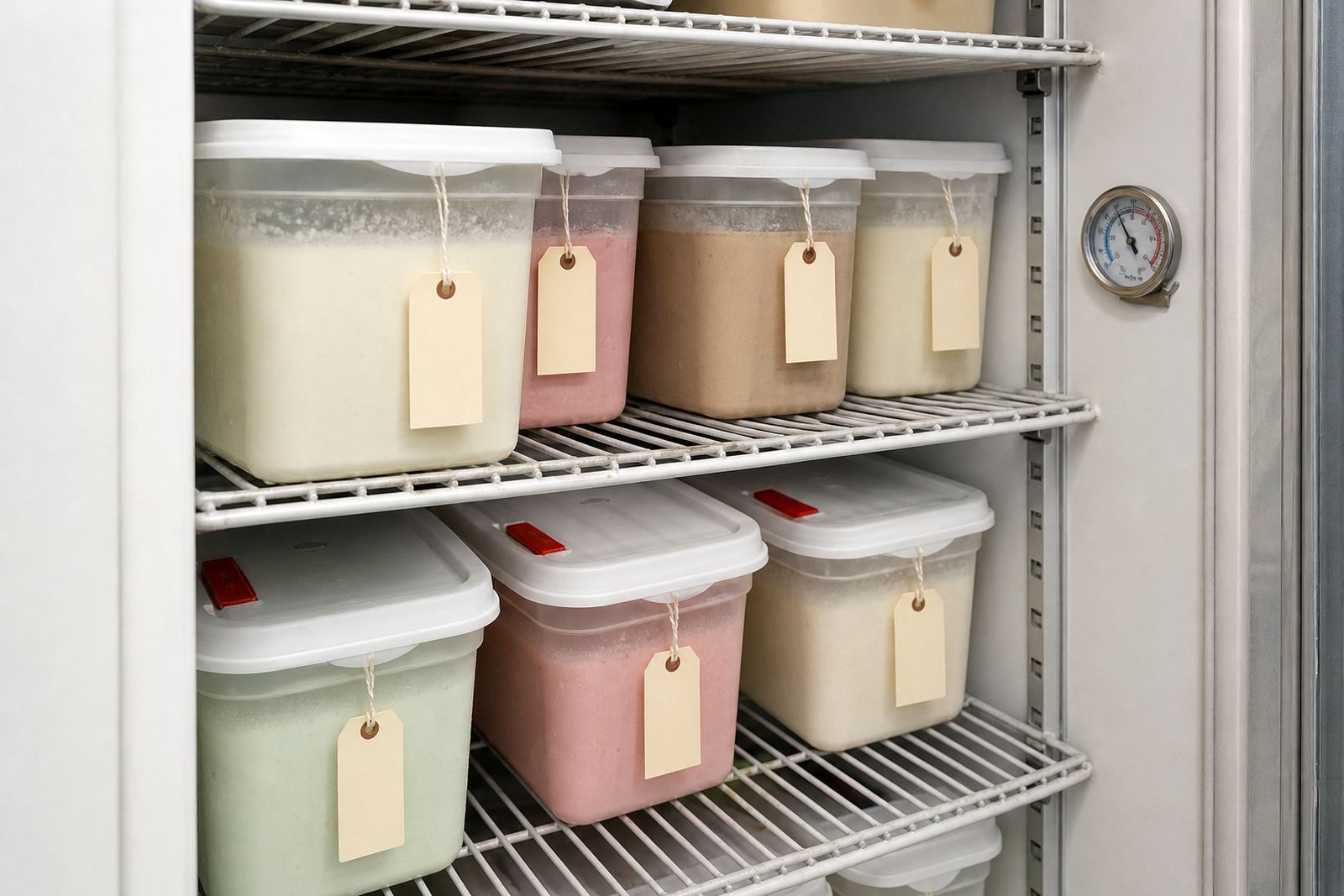
A tight menu often works better than a long list. Too many choices slow service and can leave stock sitting too long, especially in smaller sites where freezer space is limited. A simple range also helps new staff pour consistently and keep portions steady.
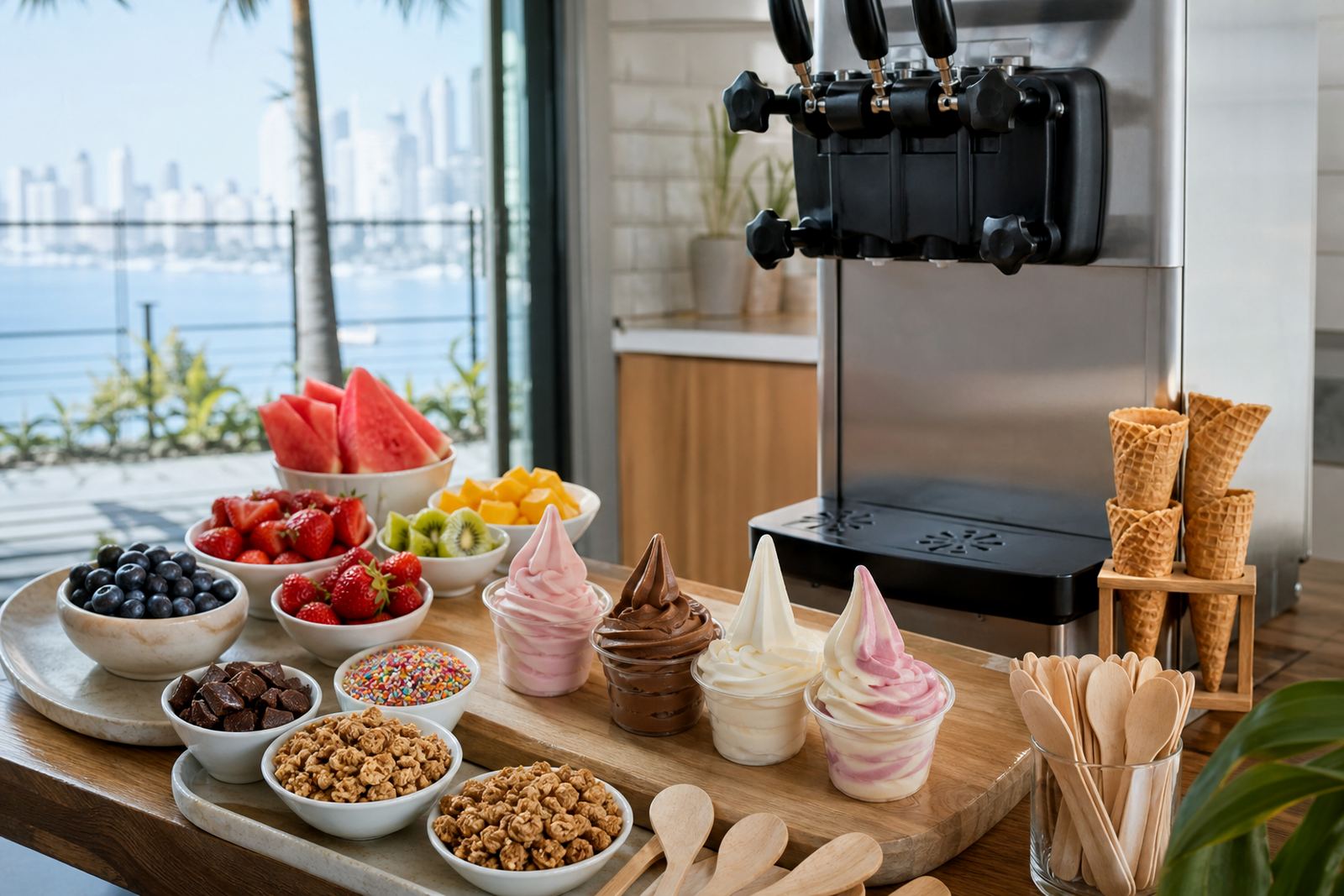
A good starting point is one dependable classic, one fruit option and one seasonal or premium line. That gives customers enough variety without overcomplicating stock control. If you run soft-serve and frozen yoghurt side by side, keep the difference clear. Soft-serve usually suits a richer, creamier profile, while frozen yoghurt works better with brighter, sharper flavours.
- Classic options help with repeat sales
- Fruit flavours can lift value on hotter days
- A seasonal flavour keeps the menu feeling current without changing everything
Match flavour style to your service speed
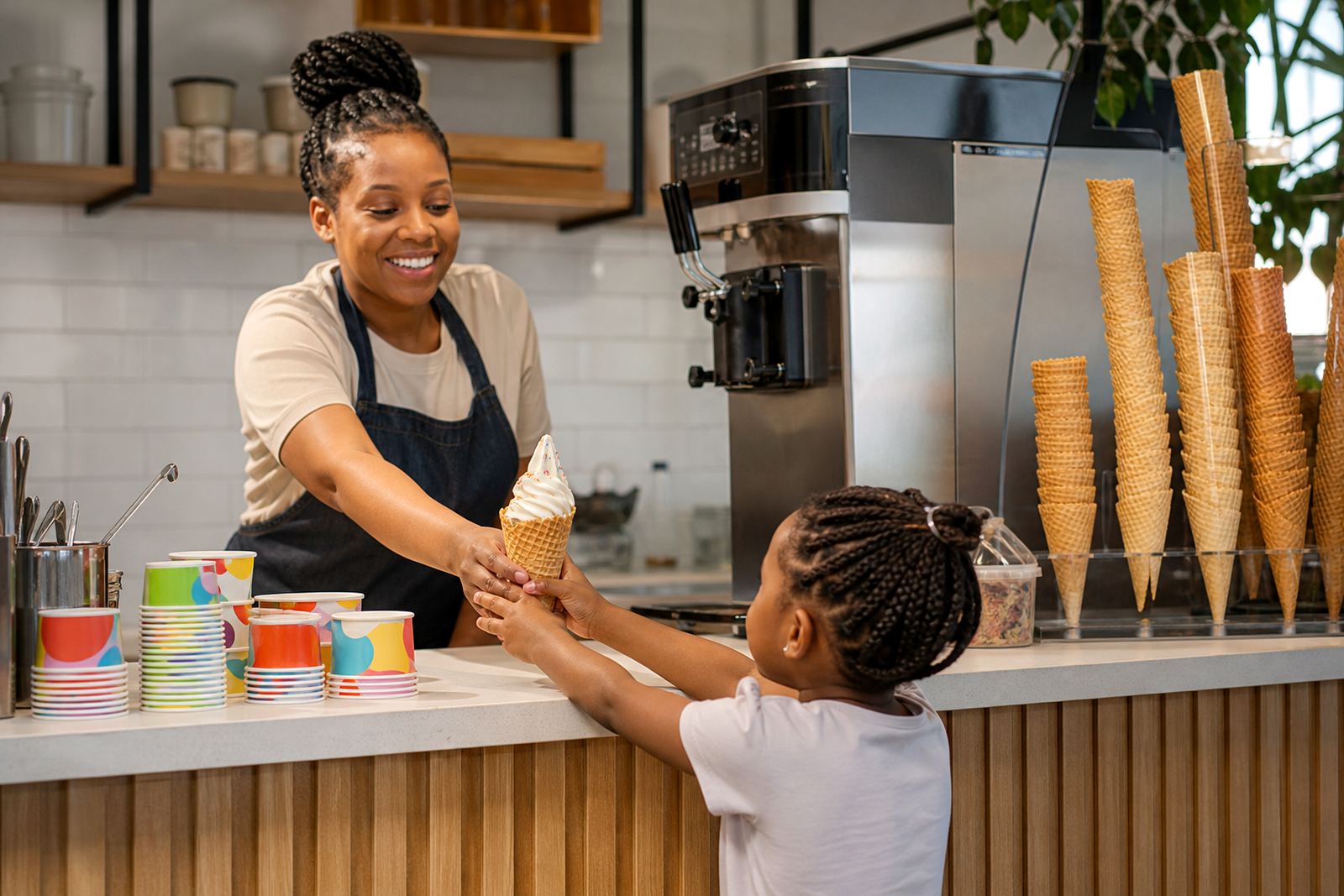
Turnover is not only about price. It is also about how quickly your team can serve without errors. A flavour that clogs service, needs constant topping changes or takes too long to explain can slow the queue down. In busy Durban sites, that matters on weekends and school holidays when customers expect quick movement.
If you run a kiosk, choose flavours that work well with standard toppings and simple upsells. If you operate a café, you may have a little more time to offer combinations, waffle cones and plated desserts. The point is to make the flavour range fit the pace of the counter. It should support the team, not hold it back.
- Fast service sites need fewer moving parts
- Cafés can handle a wider flavour story
- Clear flavour names reduce confusion at the till
Think about margin, not just taste
Some flavours look attractive on paper but cost more to run than they return. A higher priced mix can still make sense if it helps you sell larger portions or supports a premium menu. But if it needs more wastage, special storage or frequent rework, your margin can disappear quietly.
Look at what each flavour does for the business. Does it encourage repeat visits? Does it suit cones, cups and dessert specials? Does it work well in combo deals? You want flavours that bring steady turnover, not just one off curiosity. In a coastal town, heat and humidity can also affect holding times, so consistency matters more than you might think.
- Track gross margin per serving, not only product cost per bag
- Choose flavours that pair with your highest selling items
- Consider waste from slow moving stock and partial batches
Use local buying habits to shape the range
South African customers do not all buy the same way. In Johannesburg, office and mall traffic often prefers quick, familiar options. In Pretoria, family outings can drive stronger weekend sales. In Gqeberha, coastal trade may favour lighter, refreshing choices in warmer months. Durban often sees strong demand for sweet, easy flavours that suit hot weather and fast foot traffic.
A local example: a Springfield Park operator serving weekday trade and Saturday family customers may keep a vanilla base, a strawberry style option and a yoghurt flavour, then rotate a seasonal extra for holidays. That mix keeps ordering simple while still giving the menu a fresh feel. It also makes training easier when staff change over, which happens more often than people expect.
- Match flavour choices to local weather and buying patterns
- Keep a stable base range for most of the year
- Rotate one flavour at a time instead of overhauling the whole menu
Protect consistency with proper prep and upkeep
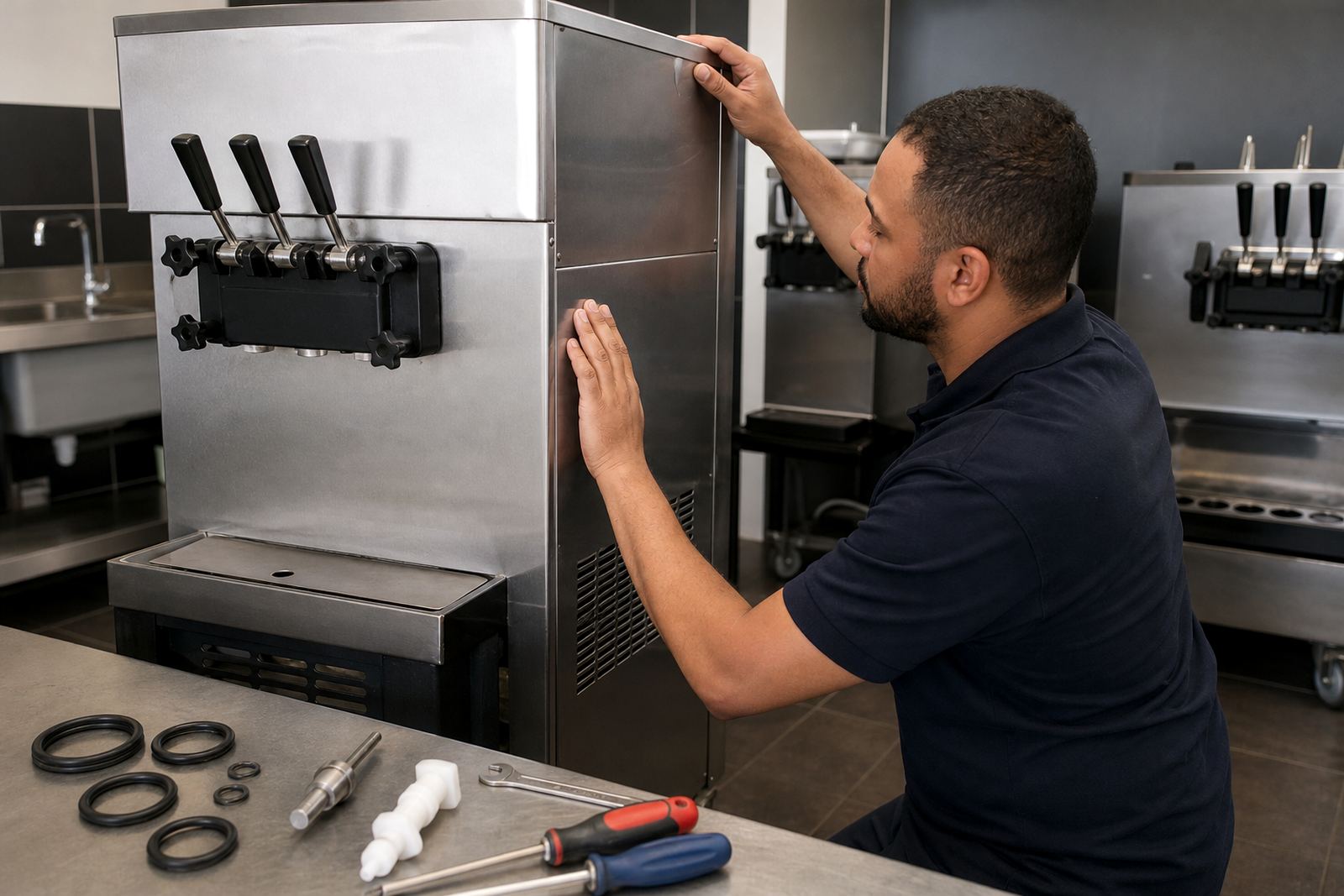
Even a good flavour can underperform if the machine is not set up correctly. Mix calibration, startup checks and regular cleaning all affect texture and taste. If the product is too heavy, too icy or too soft, customers will notice fast and they may not return. That is especially true in high traffic sites where word of mouth spreads quickly.
Preventive maintenance also helps protect flavour quality during load-shedding and hot weather. Power interruptions, warm storage rooms and rushed refills can all change the final result. Keep operator training simple and repeat the basics often. A clean machine and correctly mixed product will always sell better than a fancy flavour served badly.
- Use the same mixing ratio every time
- Clean and sanitise on schedule, not only when there is a problem
- Check seals and parts early if the texture starts changing
Keep the menu easy to understand
Customers should be able to read the board and decide quickly. Clear flavour names, simple descriptions and a small number of choices usually work best. If a flavour needs a long explanation, it may be better as a limited special rather than a permanent line.
The best menu is one that helps the counter move and the stock turn. Start small, watch what sells, then adjust the range with real figures instead of guesswork. That way you are not only serving something nice, you are building a menu that supports steady income and less waste, which is what every operator wants in the end.