



How to choose the right machine for your counter
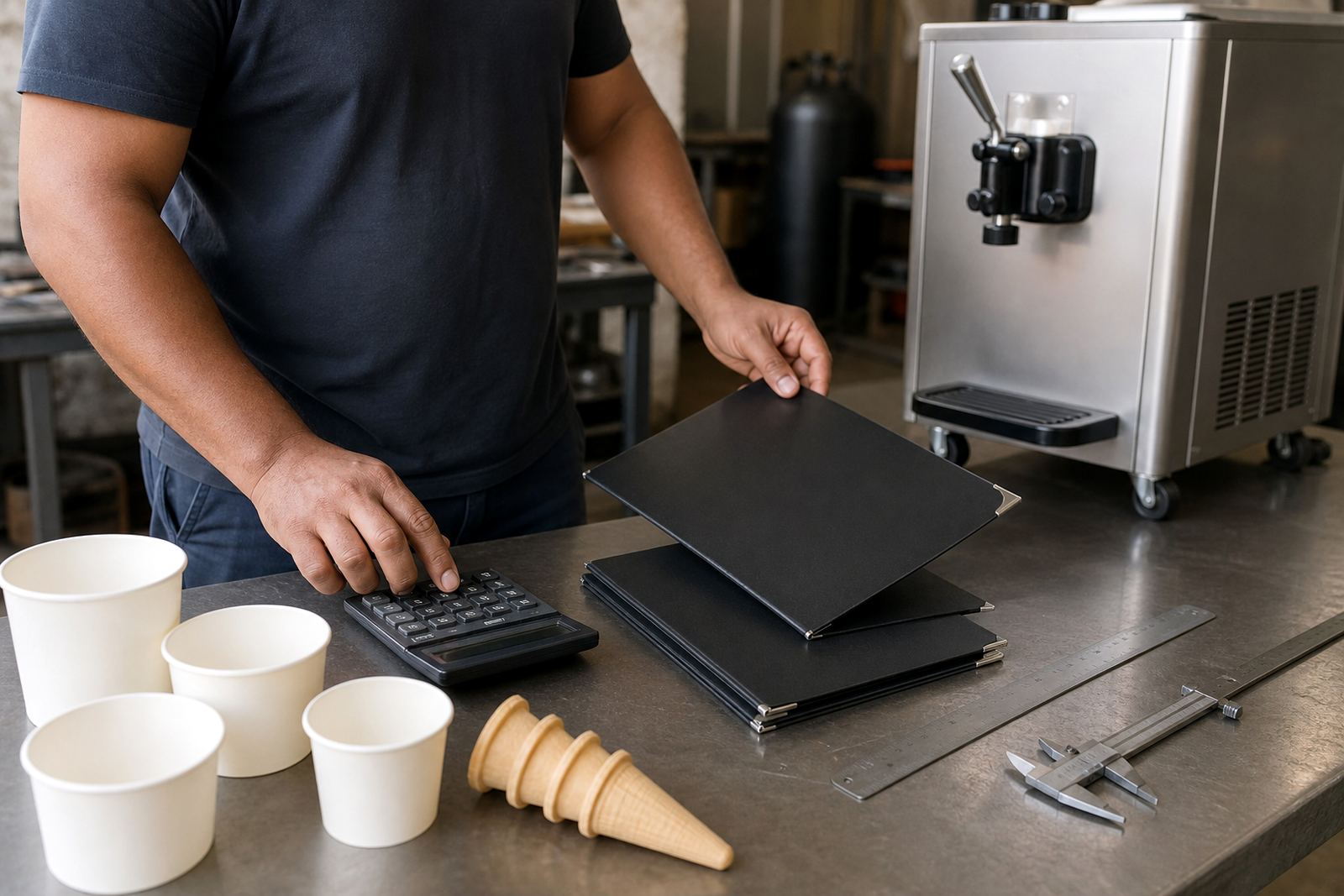
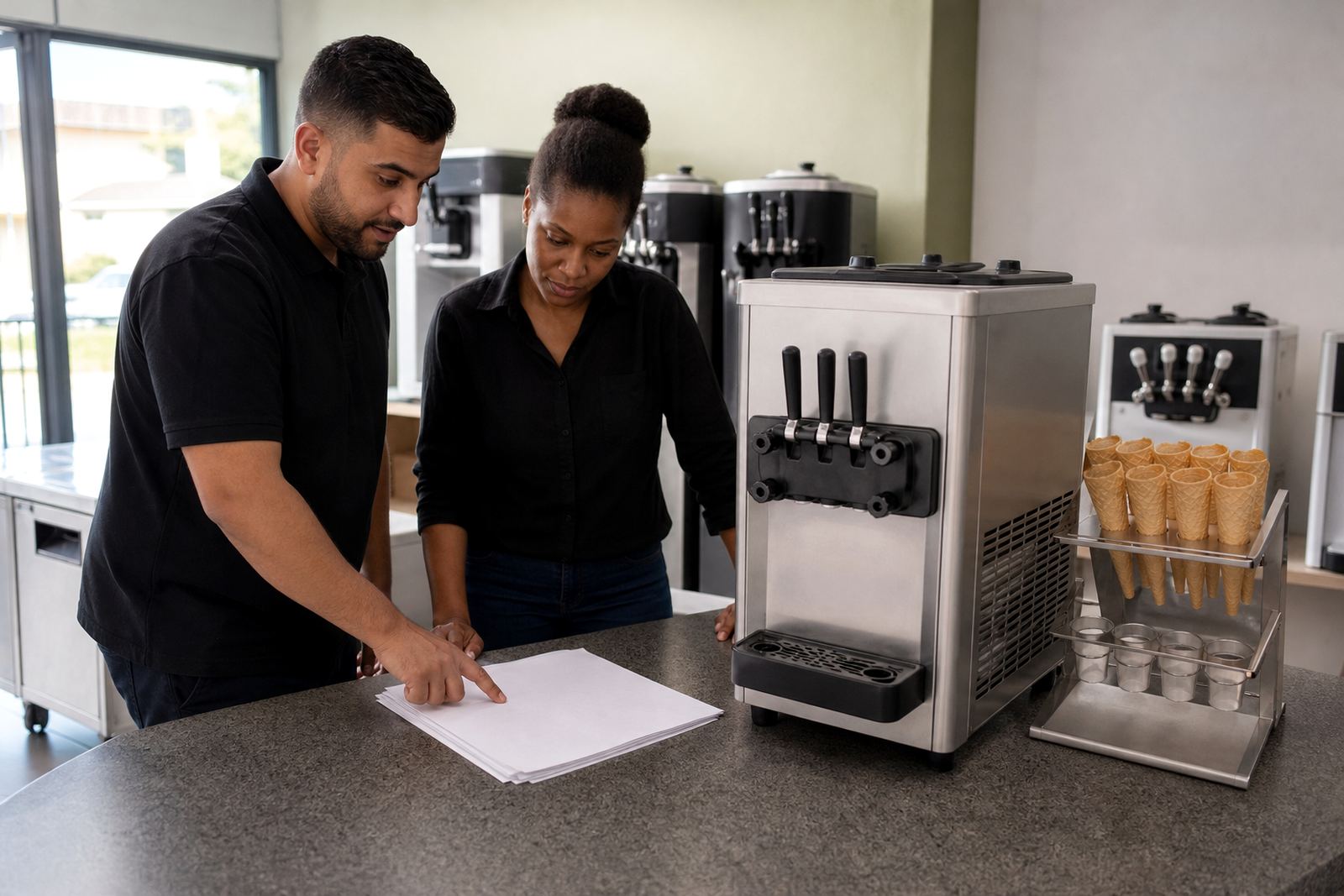
Choosing a soft-serve machine starts with volume, space and the way your team works during a normal shift. A kiosk in Umhlanga with steady foot traffic will need different output to a restaurant in Pietermaritzburg serving desserts after dinner, so it helps to match the machine size to your busiest hours not just the average day.
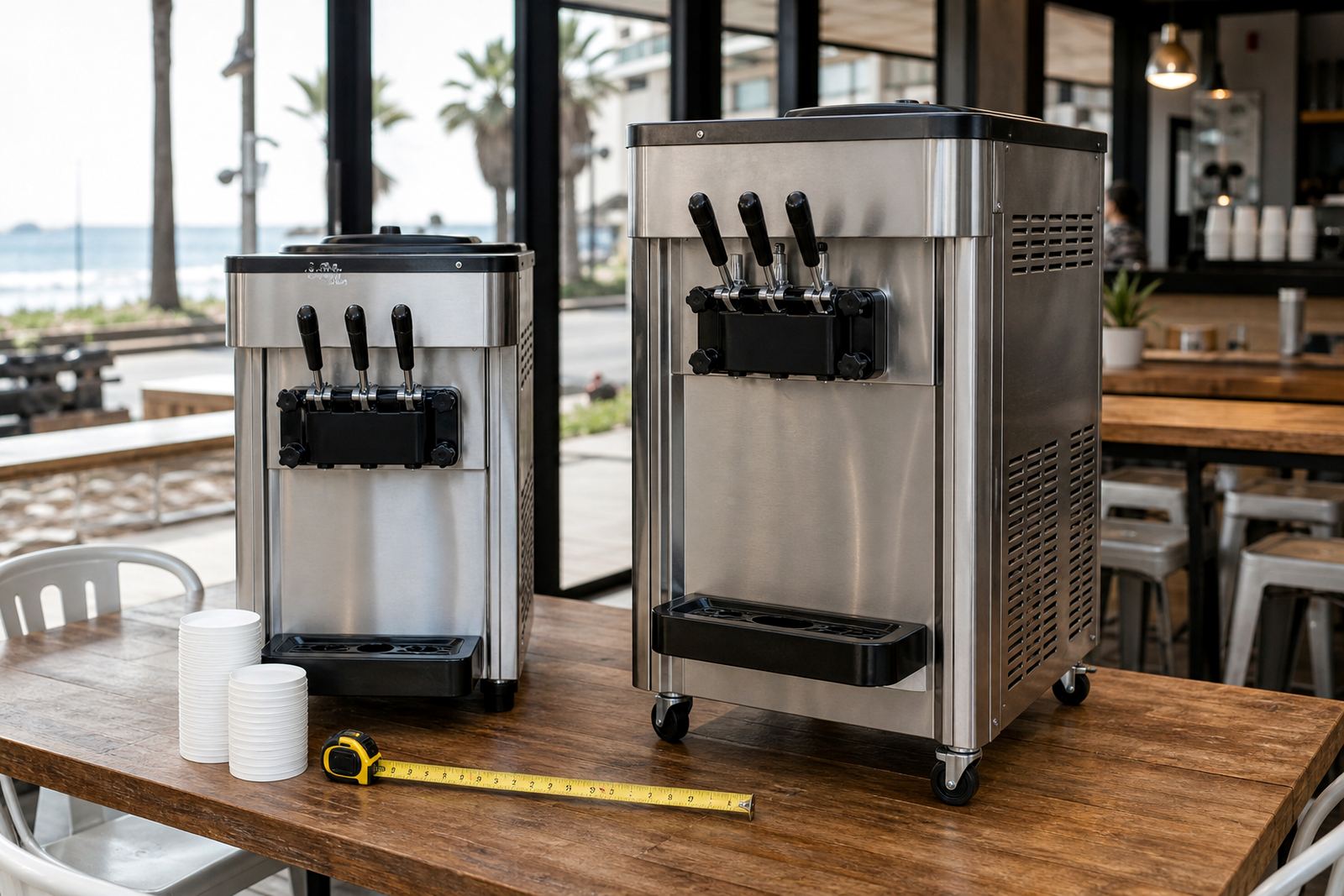
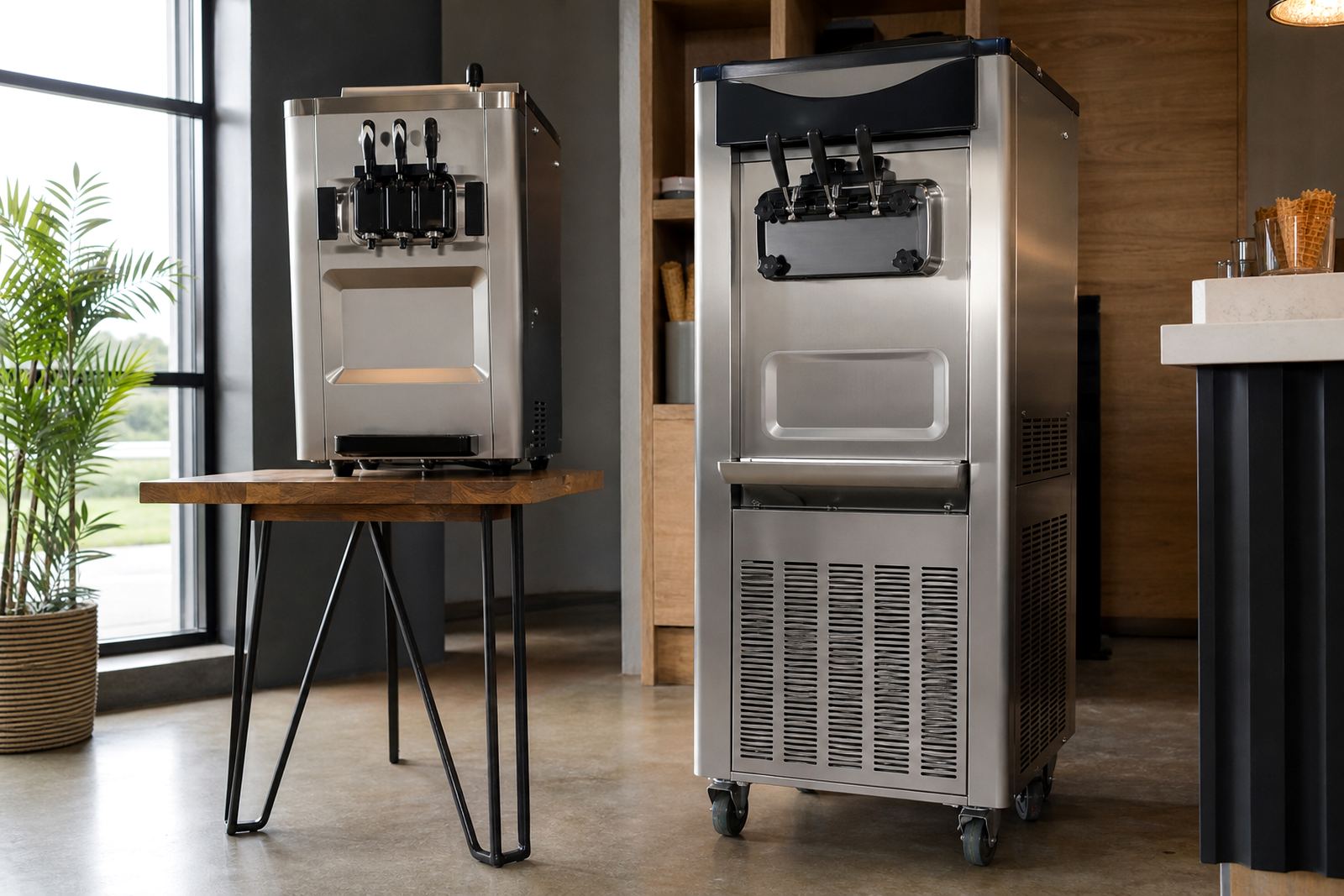
These guides explain the main differences between countertop and floor-standing units, single flavour and twin-flavour options, and how mix choice affects serving speed. They also cover practical points like footprint, hopper capacity, power supply and how much room you need around the unit for cleaning and service access.
- Daily servings and peak trading periods
- Counter space, ventilation and back-of-house access
- Power availability and load-shedding planning
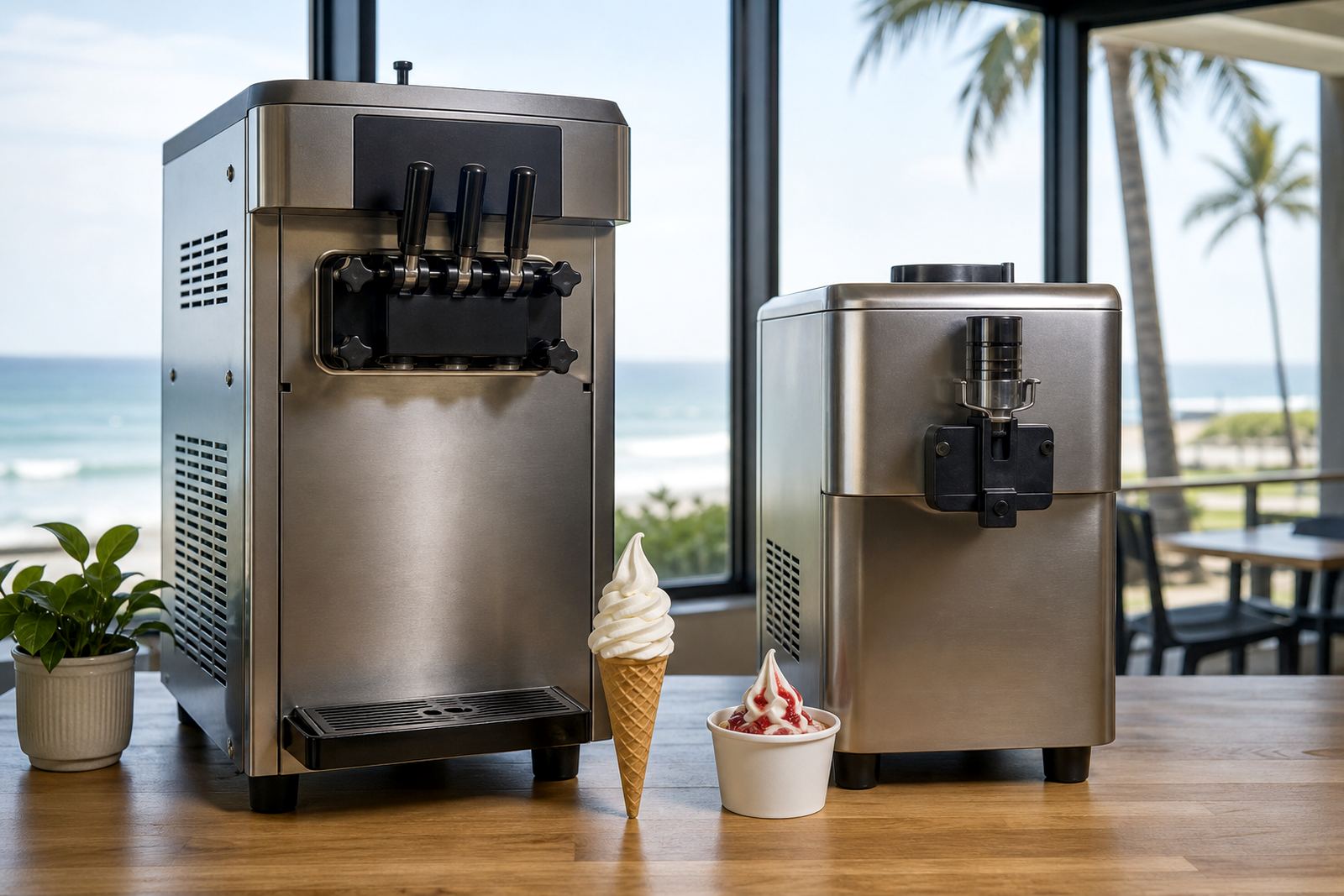
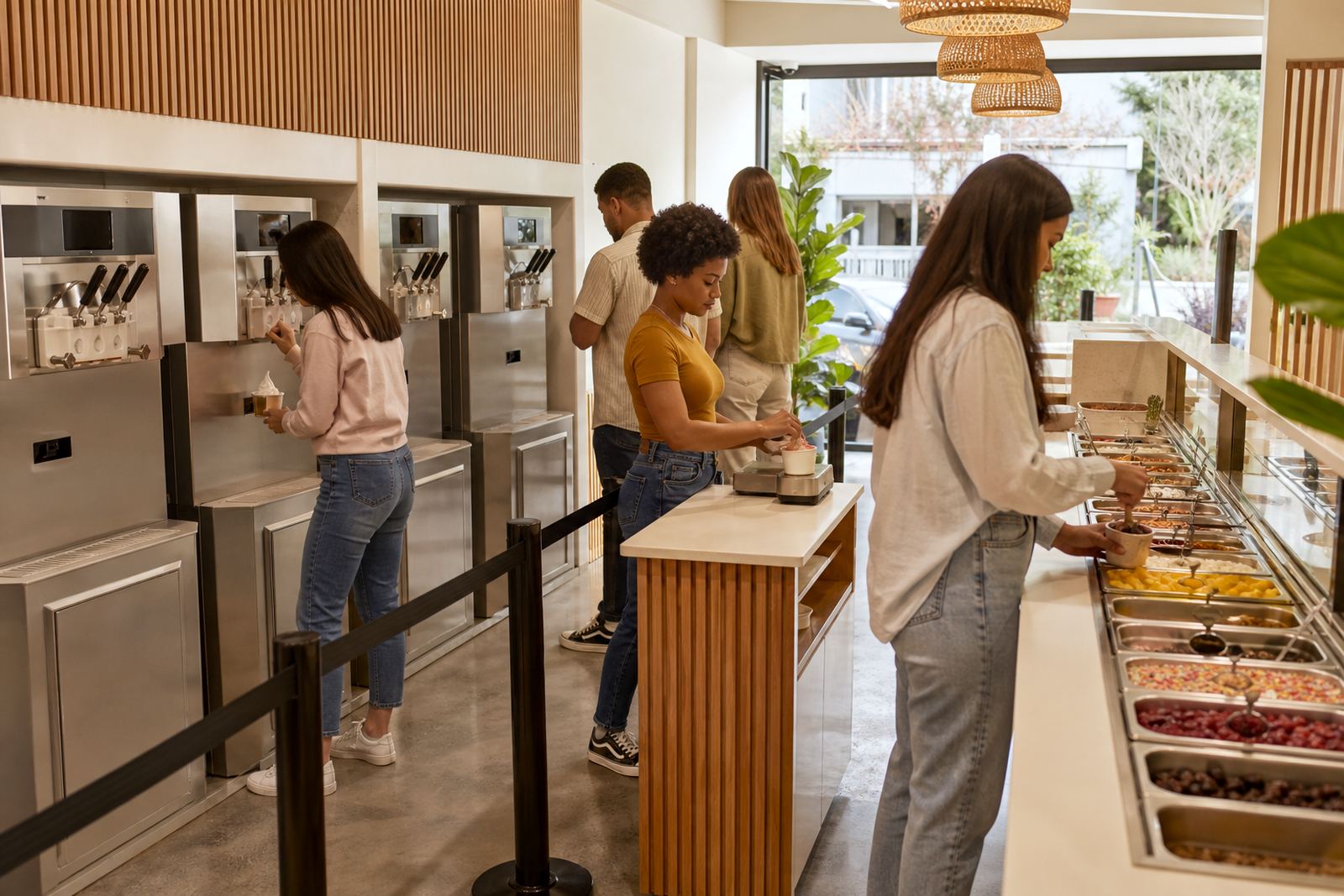
- Soft-serve versus frozen yoghurt presentation
Site checks before installation day
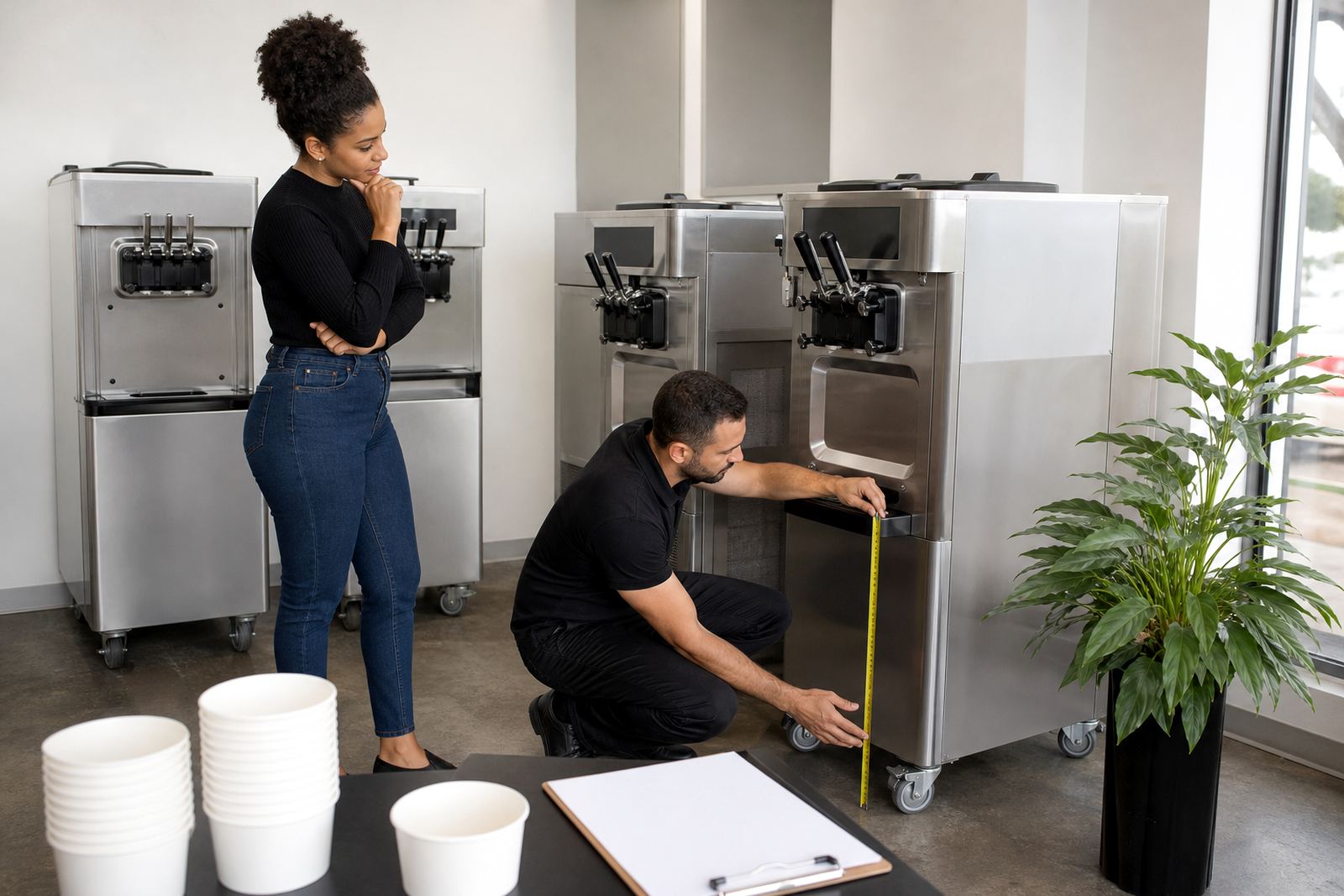
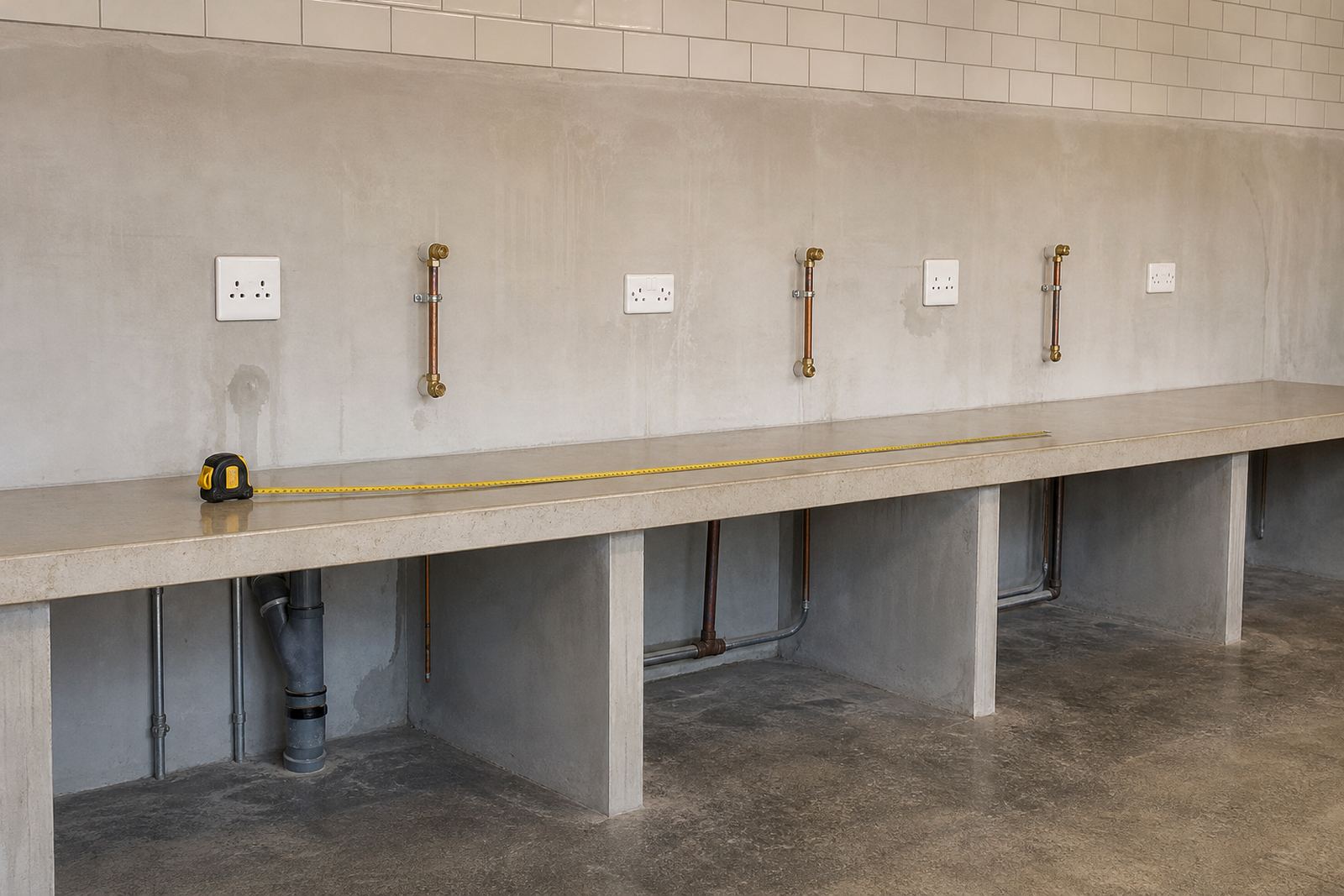
A good frozen dessert setup starts with a proper site check. Many South African premises have tight prep areas, shared plug points or older electrical boards, so it is worth checking the location early before stock arrives and staff are booked for training.
Use these guides to review the small details that affect day one performance, from floor level and drainage to cleaning access and ambient heat. In coastal areas like Durban and Gqeberha, humidity can affect storage and sanitising routines, while inland sites may need a stronger plan for power interruptions and temperature control.
- Stable power point and correct breaker capacity
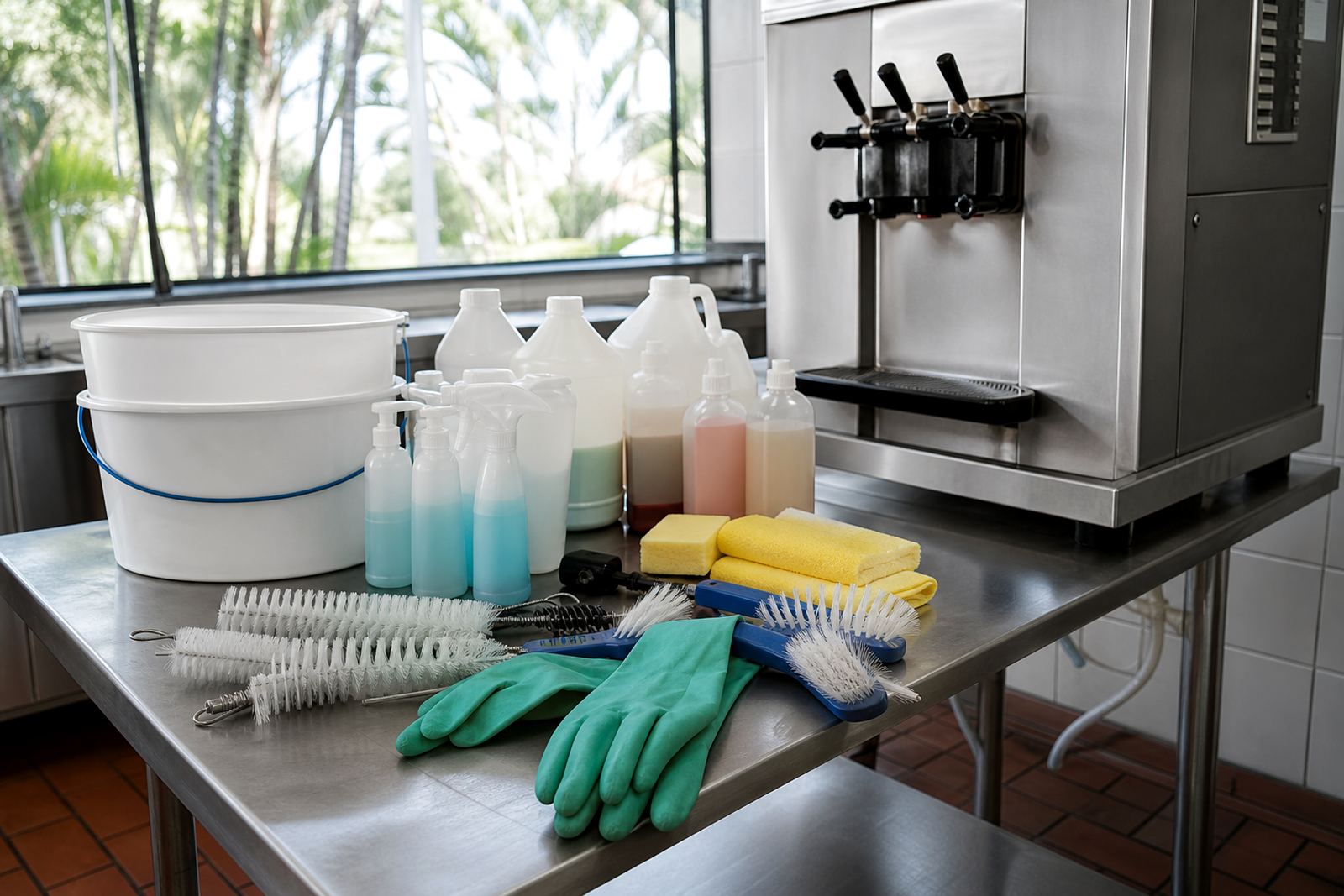
- Space for cleaning buckets, tools and sanitising supplies
- Safe route for delivery and future servicing
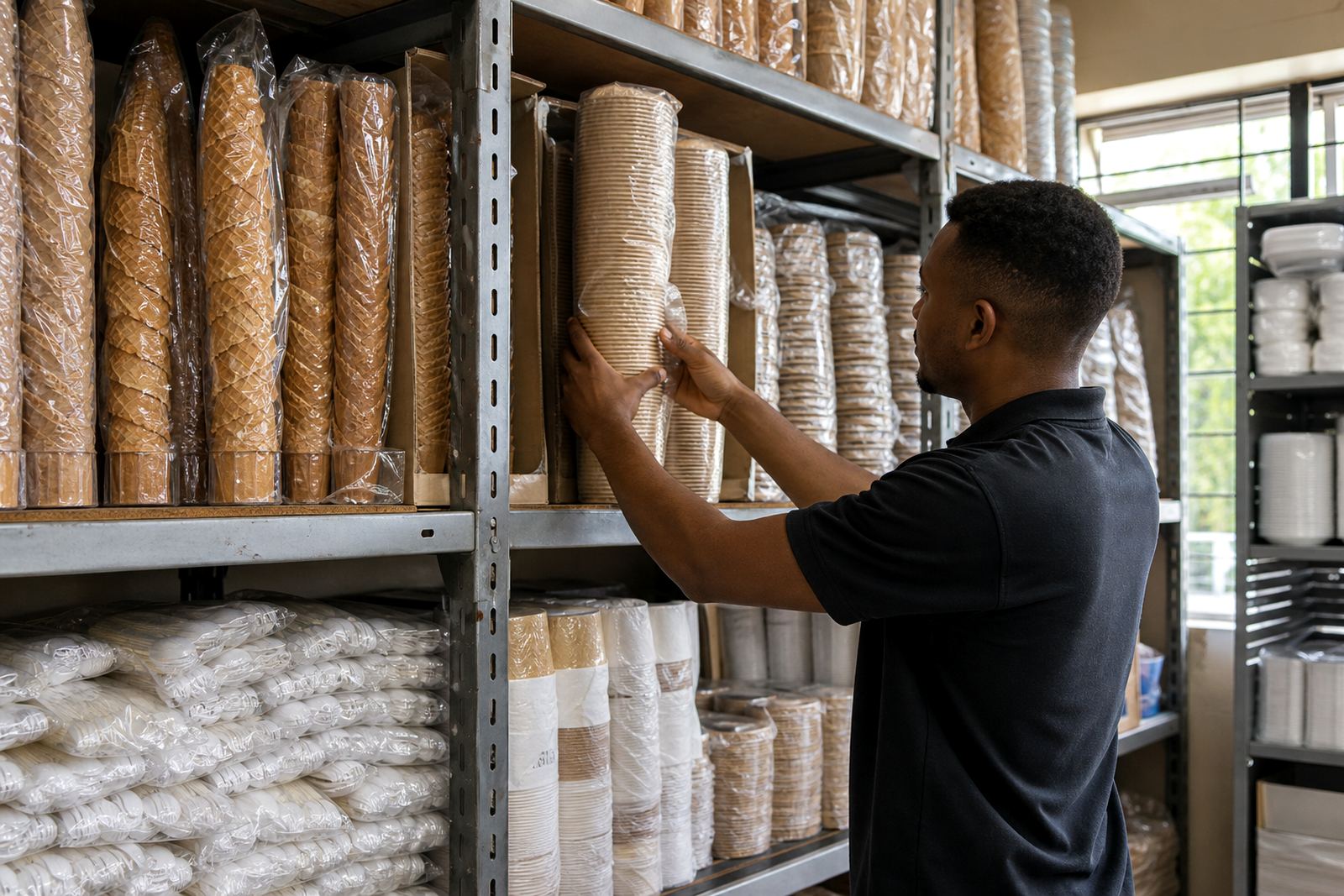
- Storage for cones, mixes and spare parts
Mixes, cones and flavour planning for South African menus
The right machine is only part of the story. Your mix, cones and topping range shape your margin, serving speed and repeat sales, especially where customers want a quick treat during lunch or after school.
These guides explain how to plan a simple menu that works in real trading conditions. You will find advice on portion control, flavour rotation and how to keep stock moving without over-ordering. For many operators, a clear two or three flavour setup works better than a long menu that slows the queue and causes waste.
- Choosing mix styles for soft-serve or frozen yoghurt
- Matching cone stock to expected daily output
- Planning shelf space for dry storage and chilled ingredients
- Using seasonal specials without complicating service
Daily operation for staff on shift
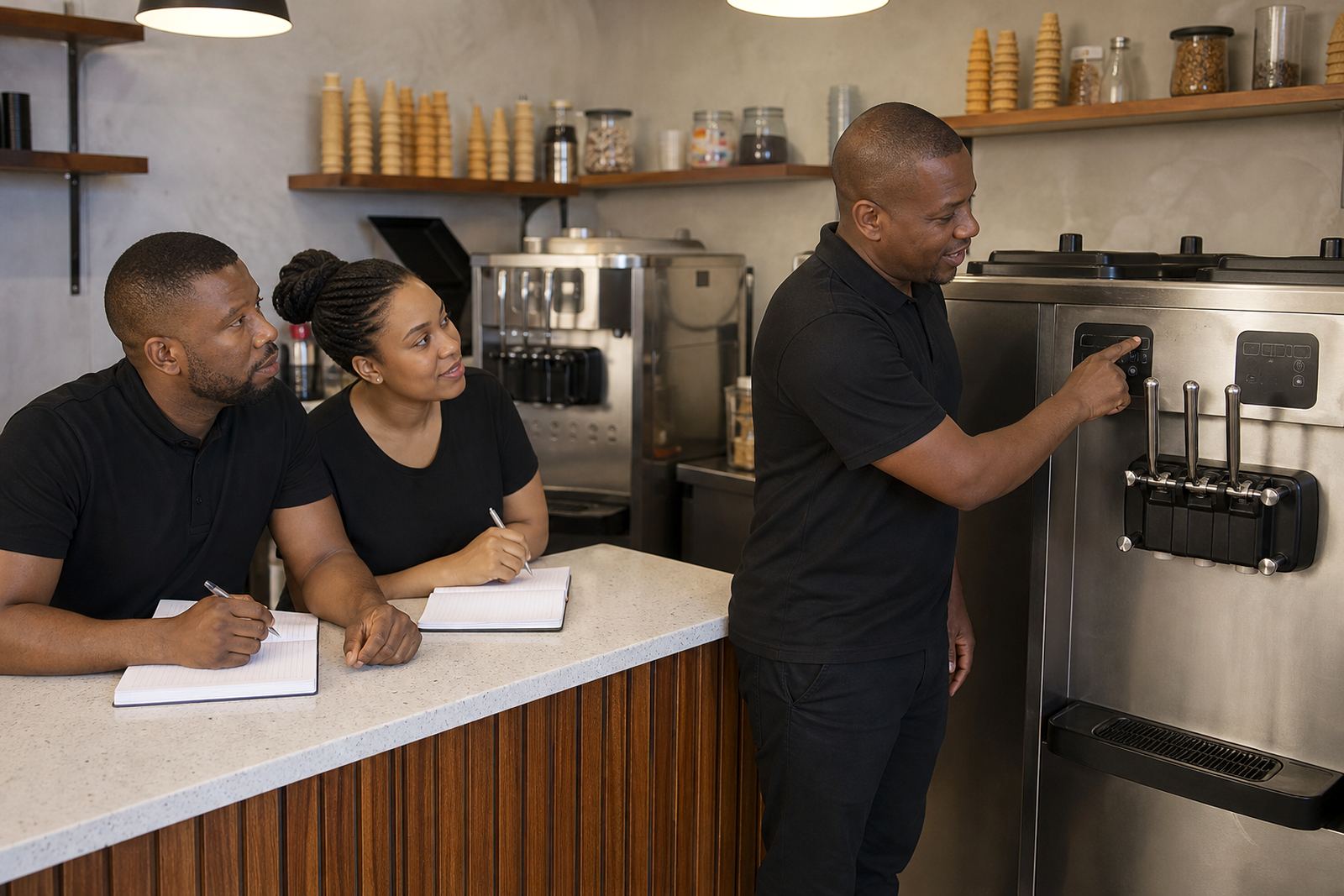
When a counter is busy, the machine must be easy for staff to manage. These guides cover startup checks, portion consistency, hygiene routines and what to watch for during service so the team can keep moving even when the queue builds at peak times.
We also explain how operator training supports better results from the first week. A well-trained team will spot changes in texture, temperature or flow much faster, which helps reduce product loss and keeps customers getting the same finish every time. Small habits matter, like checking seals early and cleaning surfaces before mix build-up starts.
Maintenance habits that protect uptime
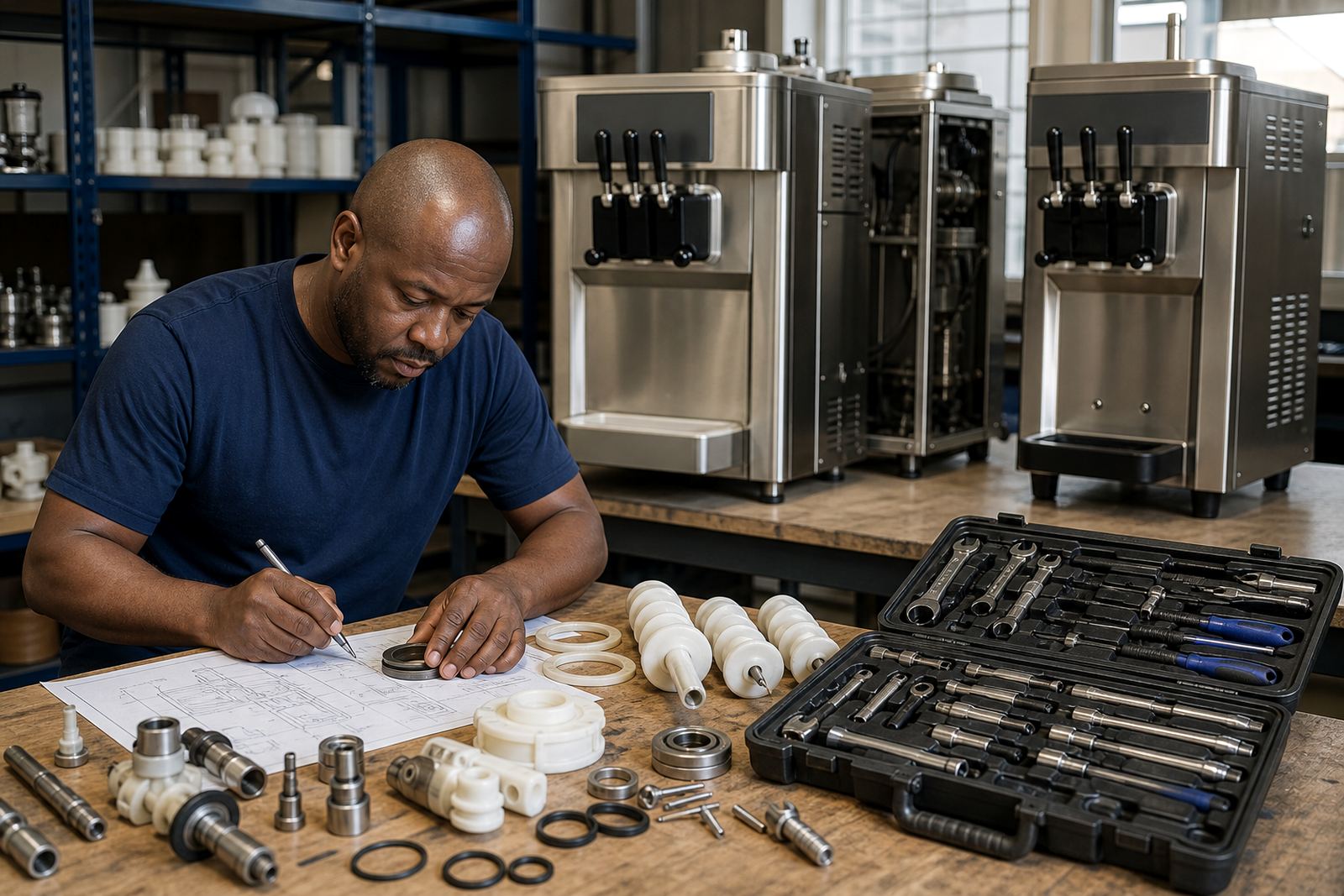
Frozen dessert equipment works hard, especially in busy cafés and on warm coastal days. These guides show how to stay ahead of breakdowns with planned maintenance, deep cleaning and regular parts checks rather than waiting for a fault to stop trading.
Topics include preventive maintenance, seal and parts replacement, mix calibration and season prep checks before holiday trading. For businesses in Durban, Johannesburg or Cape Town, that planning can make a real difference when the machine is running every day and service windows are limited.
- Weekly cleaning and sanitising routines
- Seal inspection and wear checks
- Calibration for consistent serve texture
- Shutdown and restart steps for slower months
When to repair, relocate or upgrade
Not every site issue means a new purchase. Sometimes a machine needs a deep clean, a seal change or a proper repair call and sometimes the better move is to shift it to a new counter or replace it with a unit that suits your current trade better.
These guides help you judge when breakdown repairs still make sense, when site relocations need professional help, and when a growing business should look at higher output equipment. They are written for owners and managers who need clear, practical guidance before they commit to a next step.
If you are comparing options for a new branch or reviewing an older counter, these guides will help you ask the right questions and plan with less guesswork. That saves time and avoids costly mistakes later on.