Start with the real cost of the machine package
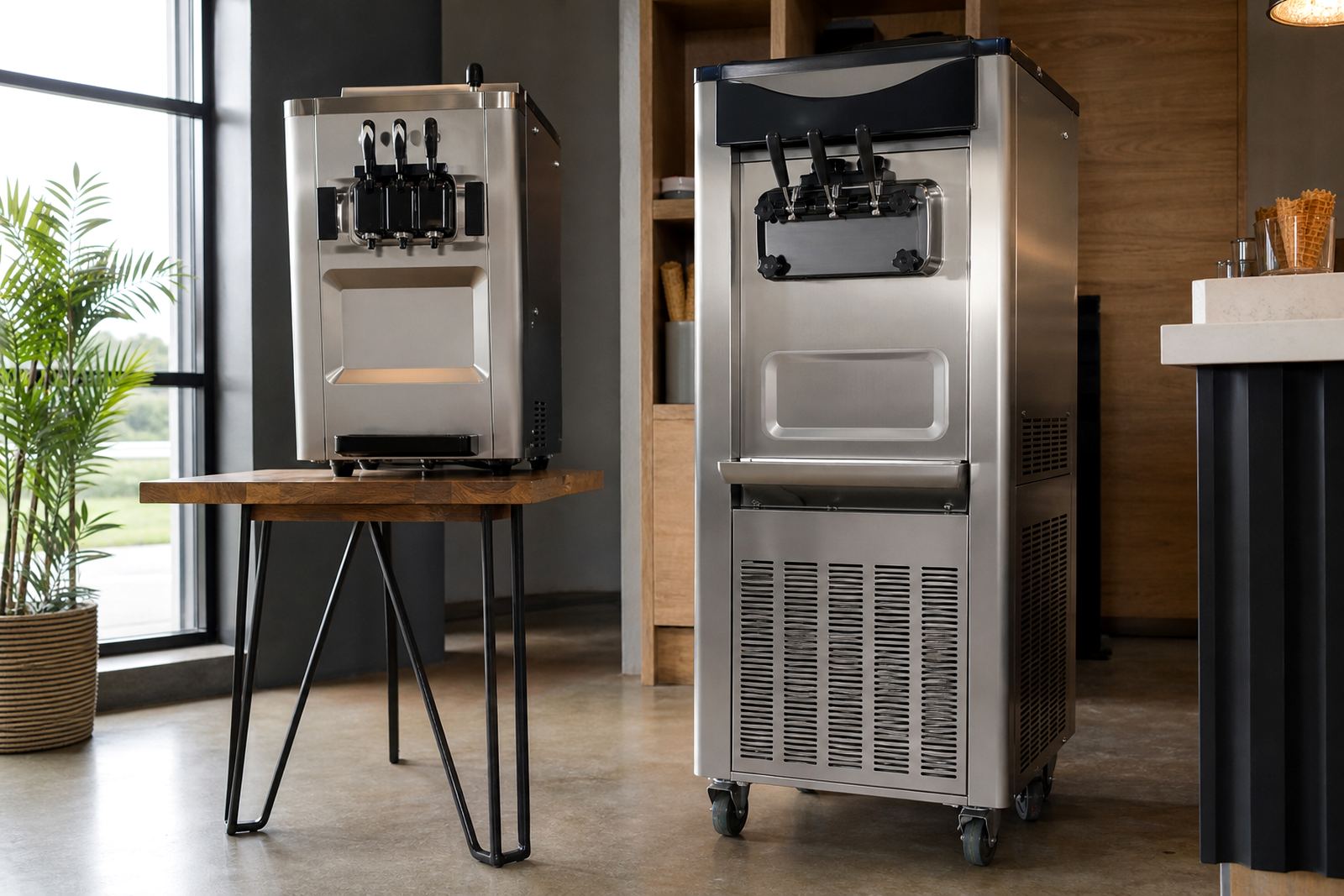
The biggest line item is usually the machine package, but the full launch cost depends on capacity, product range and how many flavours you plan to sell. A compact counter in a café may only need one machine and basic sundries, while a busy kiosk in Durban or Johannesburg may need a second machine, spare parts and a stronger power plan. It is worth costing the machine, delivery, installation and startup commissioning together, rather than treating them as separate jobs.
For planning purposes, set aside budget for the machine body, mix containers, cones, pumps if needed, and any counters or drip trays that need to be added. Also allow for seal kits and a small spare parts kit. Those small items dont sound important at the start, but they save trading time when the season gets busy.
- Machine purchase or lease deposit
- Delivery to site and offloading
- Installation and setup
- Startup commissioning and first test run
- Starter pack of seals, nozzles and wear parts
Budget for fitout, water, drainage and power
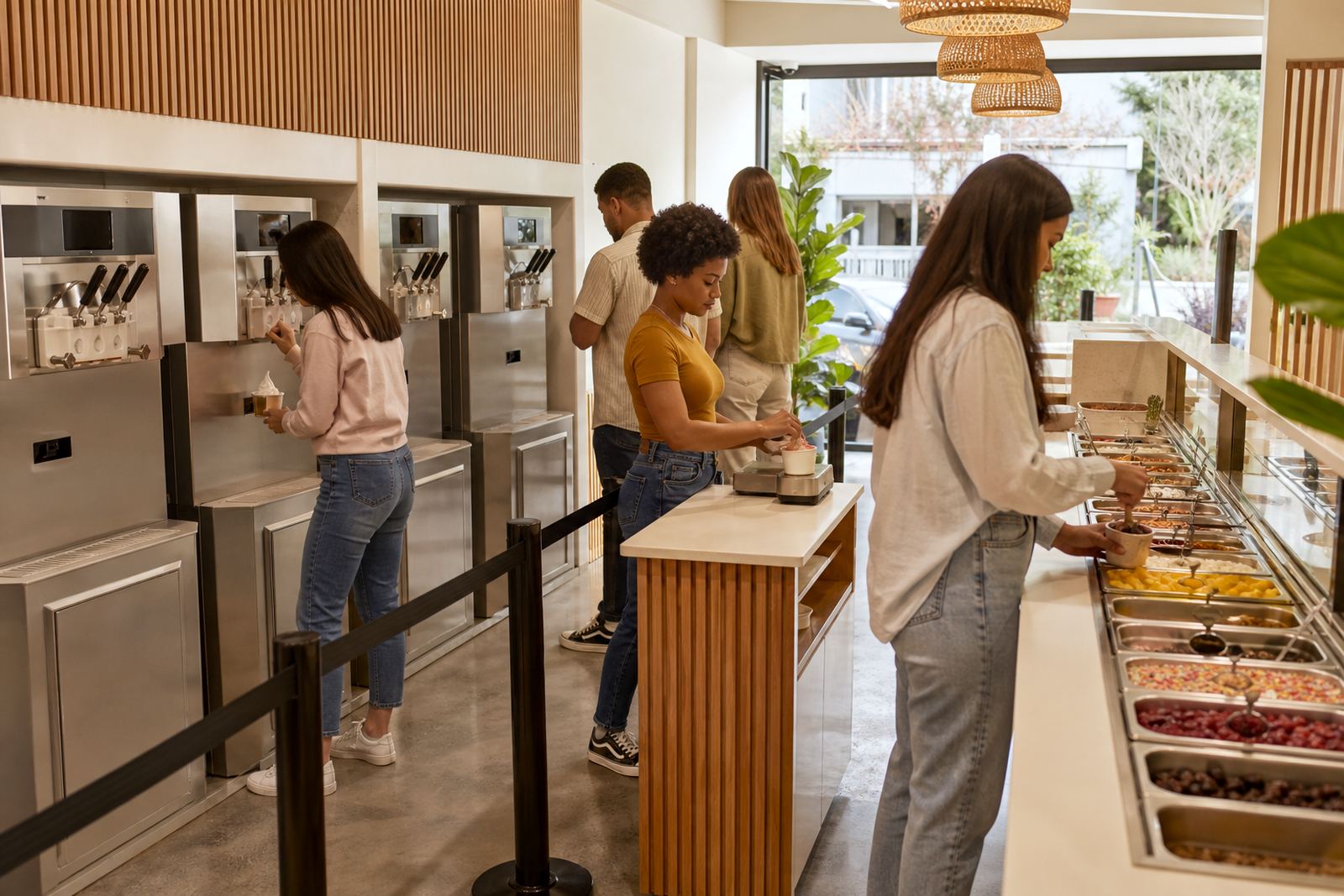
A frozen dessert counter needs a clean, practical working area. You may need a dedicated counter, handwash point, splash protection and easy access for cleaning. If the site is in a mall, food court or roadside kiosk, check the landlord or municipal requirements before you order anything. A neat layout from the start makes inspections easier and keeps service flow moving during busy periods.
Power is another cost that gets missed. Soft-serve and frozen yoghurt machines can be sensitive to voltage dips, which are common during load-shedding and in areas with heavy evening demand. Many operators budget for surge protection, a power backup solution and, where needed, a dedicated circuit. In coastal areas like Durban and Gqeberha, you should also allow for extra care against humidity and corrosion on exposed parts.
- Counter build or modification
- Electrical point and dedicated circuit
- Surge protection and backup power planning
- Drainage, waste water handling and cleaning access
- Signage, menu board and customer queue layout
Plan your opening stock with enough buffer
Once the machine is in place, the next cost is stock. That includes mixes, cones, flavour toppings and sanitising supplies. It is tempting to buy only enough for the first few days, but that can leave you with stockouts just when customers start talking about you. A better plan is to hold opening stock for at least the first 2 to 4 weeks, depending on expected footfall and whether you are near schools, office parks or busy beachfront traffic.
Mix calibration matters too. If the mix is too thin or too rich, your yield and texture will suffer, and you may end up wasting product. That means the opening budget should include enough room for test batches and adjustment. For restaurants and cafés, also budget for a few cone options and takeaway cups, because customers often want choice rather than just a single serve.
- Soft-serve or frozen yoghurt mix
- Cones, cups and lids
- Sauces, sprinkles and toppings
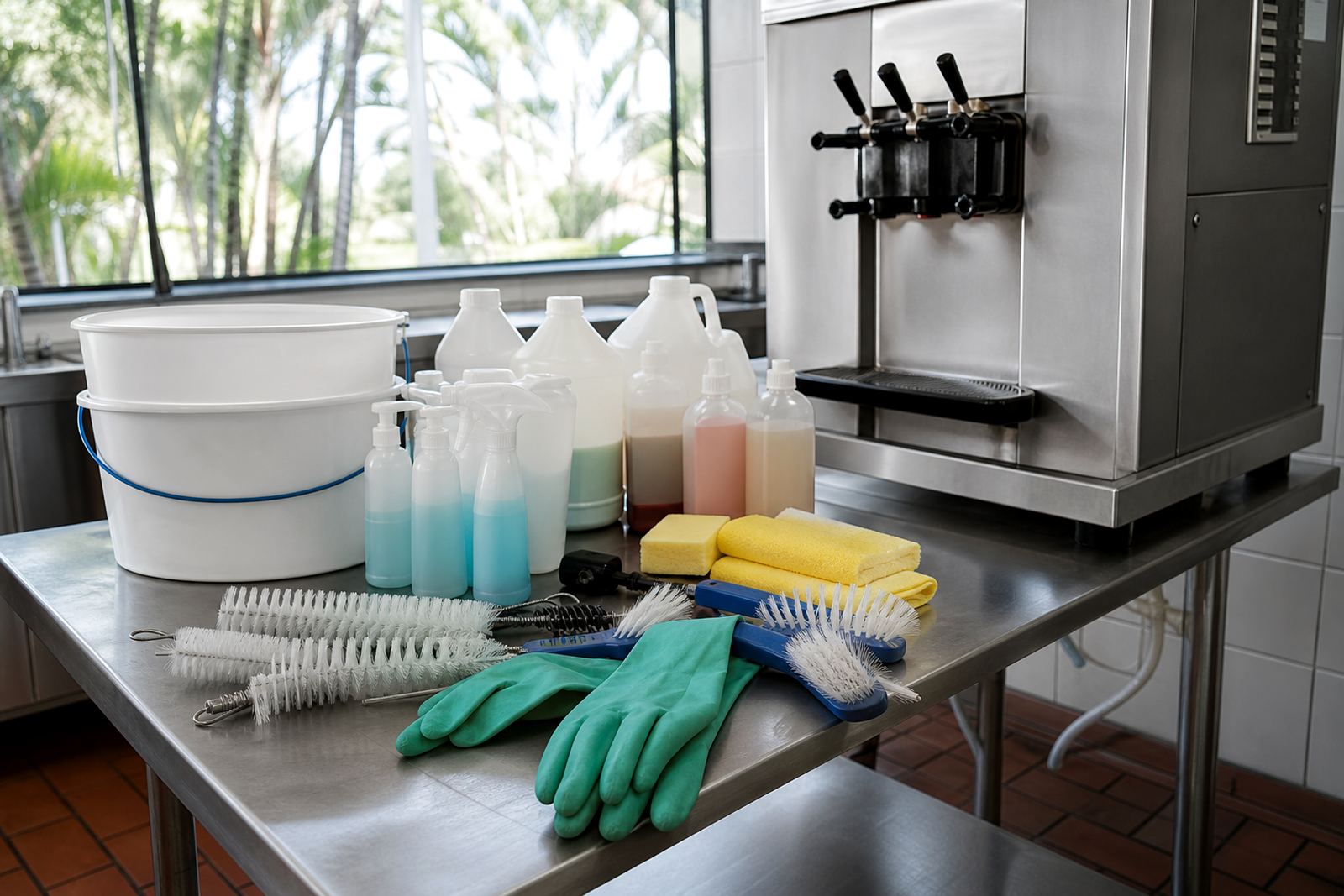
- Sanitising chemicals and cleaning cloths
- Extra stock for peak weekends or school holidays
Include installation, training and the first service visits
A machine should not just arrive and sit on the counter. Proper startup commissioning helps confirm the temperatures, settings and product flow before the first customer is served. Operator training is just as important, because even a simple machine can be mishandled if staff do not know the cleaning cycle, mix handling or shutdown routine. In our experience, a well trained team is the difference between steady sales and repeat callouts.
It is smart to budget for preventive maintenance from the first month, not after a fault appears. A startup checklist should cover seals, mix calibration, deep cleaning and a quick review of how the machine is performing under real trade conditions. If your site is in Pietermaritzburg, Pretoria or Cape Town, a planned service visit can save a long downtime later on, especially when the shop is busy and staff rotas change.
- Startup commissioning after installation
- Operator training for daily use and cleaning
- Deep clean service schedule
- Preventive maintenance and seal checks
- Breakdown repair allowance for the first trading period
Set aside cash for permits, compliance and trading delays
Every site is different, and the paperwork can add cost before the first scoop is sold. Depending on your premises, you may need food handling checks, local approvals, landlord permission and specific municipal conditions for drainage, waste and signage. If you are trading from a kiosk in a shopping area, ask about operating hours, waste removal and storage rules early on. It is cheaper to sort these points now than to fix them after opening.
You should also budget for a short delay between delivery and trade. The site may need painting, extra sockets, cleaning or minor alterations. That gap matters because rent, wages and stock can start before income does. A sensible launch budget includes one month of cover for these early costs, and ideally a little more if the site is being fitted out from scratch.
Use a simple launch budget checklist before you order
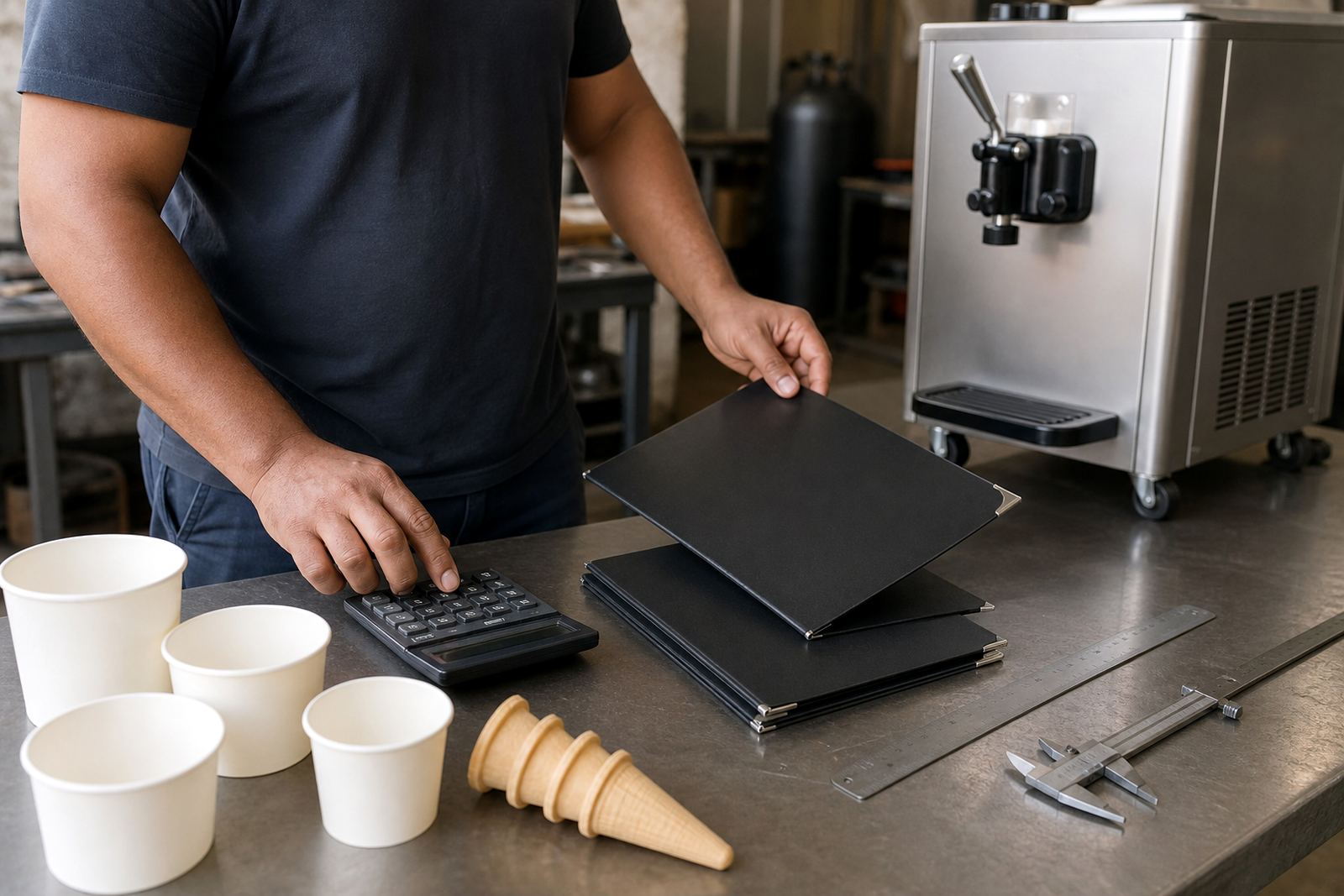
If you want the counter to open on time, put every item into one list and total it before you commit. This helps you compare a small café setup with a higher volume kiosk or restaurant installation. It also makes it easier to decide whether to start with one machine or two, and whether you need backup power from day one. A written budget stops guesswork and keeps the numbers plain.
Here is a practical checklist to work through before launch:
- Machine, delivery and installation
- Fitout and electrical work
- Startup stock and packaging
- Training and first service visit
- Cleaning supplies and spare parts
- Power backup and surge protection
- Compliance, signage and opening delay cover
Once you have the list, compare it against your expected daily sales and your busiest season. In South Africa, weekends, school holidays and hot spells can change turnover quickly, so your budget should leave room for stock top ups and a bit of unexpected maintenance. A careful launch is usually the one that lasts.