
Start With the Right Counter Position
Place the self-serve point where customers can see it early, but not where they will block the till or the main passage. In a café or kiosk, the best spot is usually close to the serving window or collection point, with enough space for people to queue, step aside, and add toppings without bumping into each other.
Think about the full customer journey. The machine should be easy to spot from the entrance, the cup station should be within reach, and the payment point should sit just before the first machine, not behind it. In busy centres around Durban, Johannesburg and Cape Town, a poor layout can create a choke point fast and staff end up spending the shift managing people instead of serving them.
- Leave at least 1 metre behind the machine for access and cleaning
- Allow space for one queue line and one passing lane where possible
- Keep topping jars, napkins and lids close enough for quick access
- Avoid placing the counter in direct afternoon sun or near hot grills
Choose Equipment Size Based on Trade, Not Guesswork
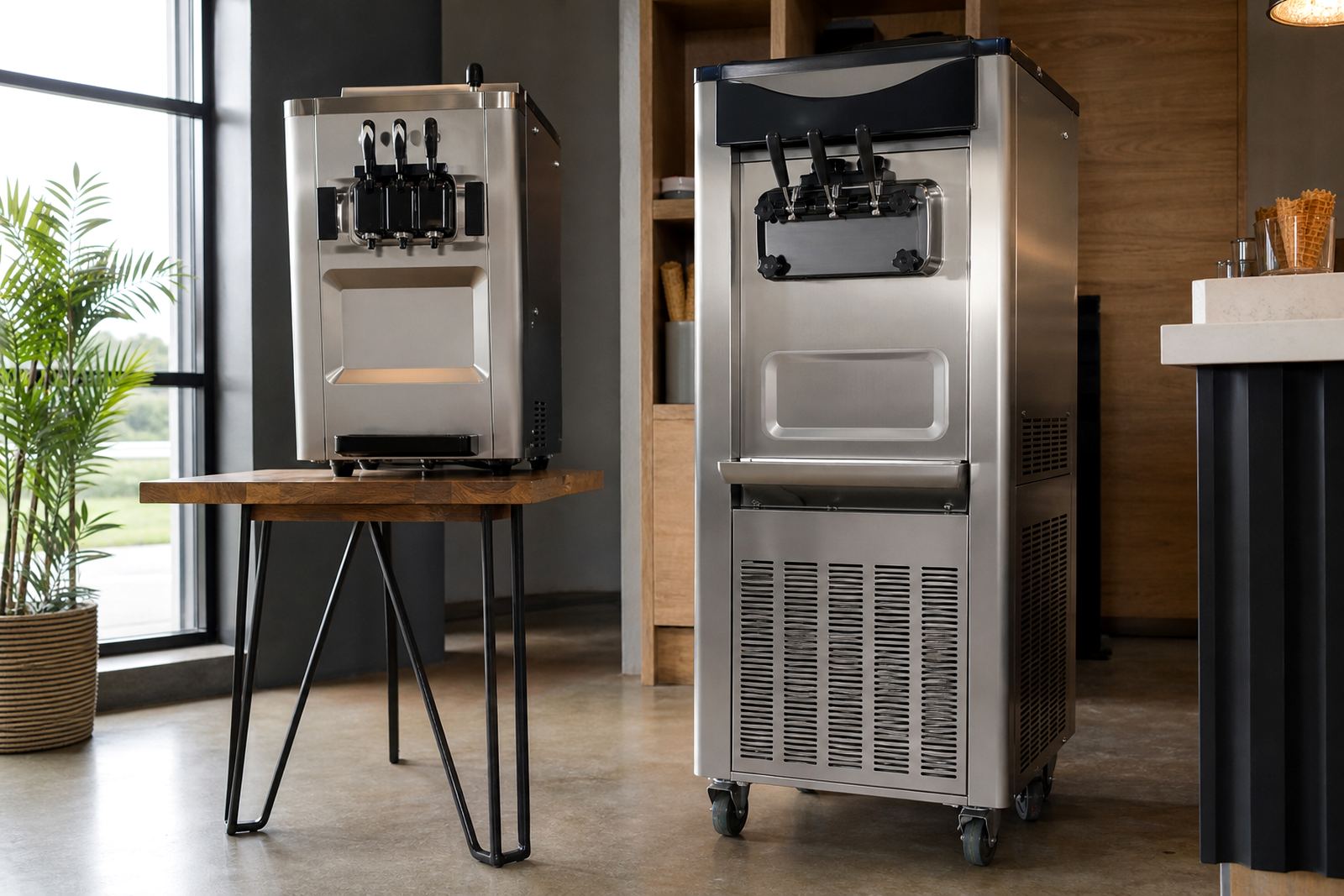
Machine choice should match your expected volume, the size of your counter and your product range. A small kiosk in Umhlanga will usually need a simpler setup than a restaurant in Pietermaritzburg serving dessert after every sitting. If the machine is too large, it eats up floor space and becomes expensive to run. If it is too small, queues build and the mix can soften too quickly during peak service.
Check the number of flavours you want to offer, the day part you trade in, and whether you plan to add frozen yoghurt, soft serve or both. Also consider whether the site has steady power, enough ventilation, and a practical route for moving equipment in and out for servicing. That matters in older buildings, especially where lift access is limited or loading bays are tight.
- Match output to peak hour demand, not quiet weekday trade
- Confirm the counter can carry the machine weight and topping units
- Make sure there is clear access for service and cleaning
- Allow for future growth if you may add a second machine later
Plan Customer Flow So It Feels Natural
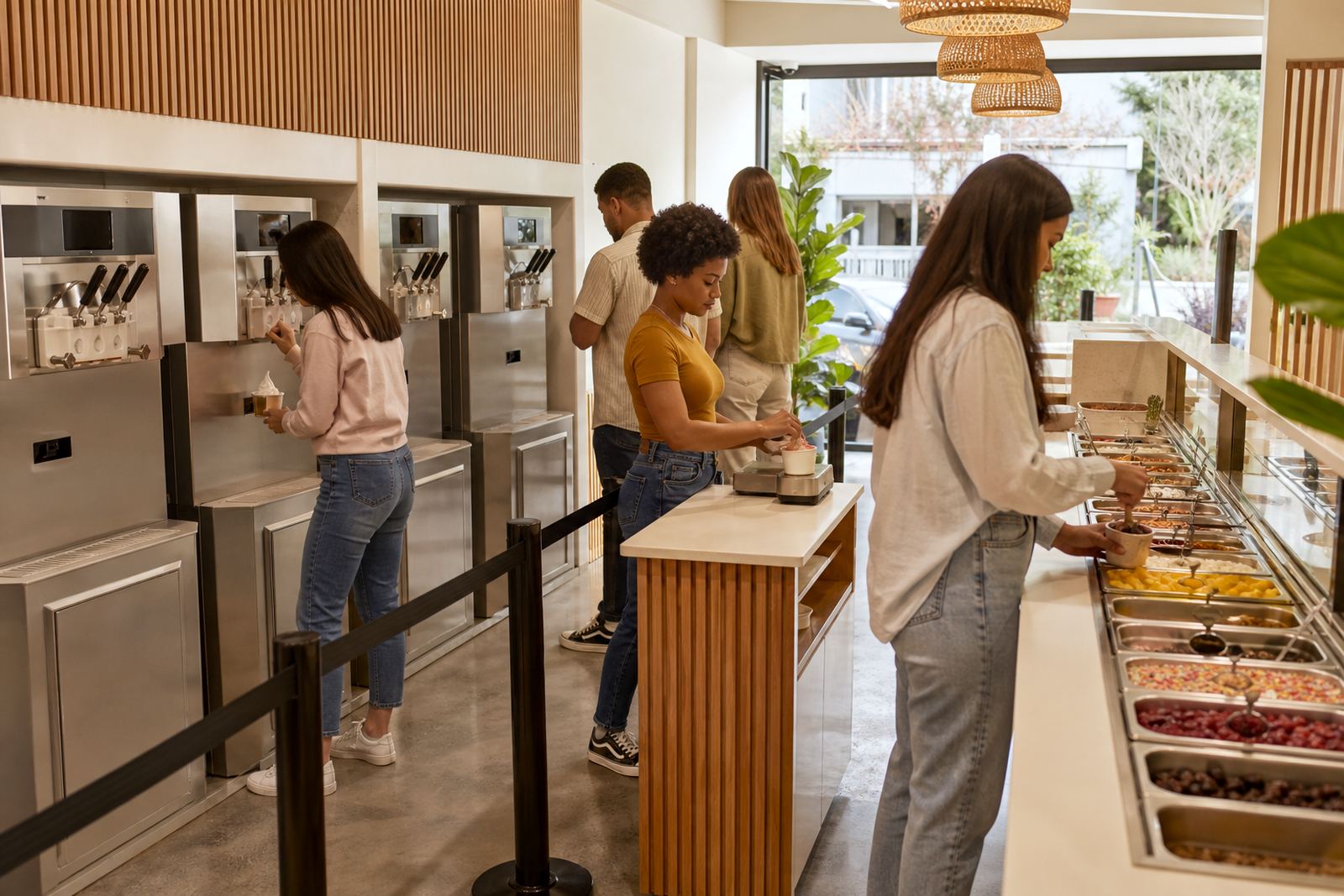
A good self-serve setup should guide people without needing signs everywhere. Customers should understand where to collect a cup, where to dispense product, where to add toppings, and where to pay or exit. If the path doubles back on itself, you will get cross-traffic, spills and confusion, especially when school groups or families come in together.
Keep the order of use simple: pick up cup, dispense, add topping, pay, leave. The topping station should sit after the machine so people do not stop and crowd the dispenser. In smaller sites, one-way flow is best. In larger restaurants, you may need a wider lane with a clear entry and exit. Staff should also be able to see the whole area from one point so they can respond before a spill turns into a mess.
- Use clear floor space and simple signage for each step
- Keep payment away from the dispensing point if possible
- Place bins at the exit, not beside the machine
- Make the route wide enough for prams and takeaway customers
Prepare for Power, Heat and Coastal Humidity
In South Africa, a frozen dessert counter must cope with load-shedding, summer heat and coastal moisture. In Durban and Gqeberha, humidity can affect storage conditions and the outside surfaces of equipment. In inland cities, the challenge is often heat in enclosed malls or winter power interruptions. Plan for these conditions before opening day, not after the first outage.
Speak to your installer about the power supply, outlet position and backup plan. The unit should sit in a well-ventilated space with enough clearance around it. If your site experiences frequent interruptions, it is worth planning a reset routine for staff and confirming what can be switched off and on safely. A small miss here can cost product, time and customer confidence.
- Check that the plug point is dedicated and correctly rated
- Keep the machine away from direct sun and deep fryer heat
- Use a backup plan for load-shedding and short outages
- Store dry supplies in a dry area away from floor moisture
Set Hygiene Rules Before the First Customer Arrives
Self-serve only works when hygiene is visible and consistent. Customers notice clean nozzles, tidy topping stations and fresh cups. If the area looks sticky or cluttered, people hesitate. That is why the cleaning routine should be written, simple and assigned to named staff. A quick wipe now and then is not enough during a busy shift.
Daily checks should cover the machine exterior, dispensing area, drip trays, topping lids, scoops and the floor around the counter. Stock should be rotated properly and utensils kept separate for different ingredients. In a humid coastal site, pay extra attention to condensation and any area where moisture collects. One overlooked spill can spread fast and cause slip risks, so keep cleaning cloths and sanitising supplies close by.
- Sanitise contact points at opening, during trade and at close
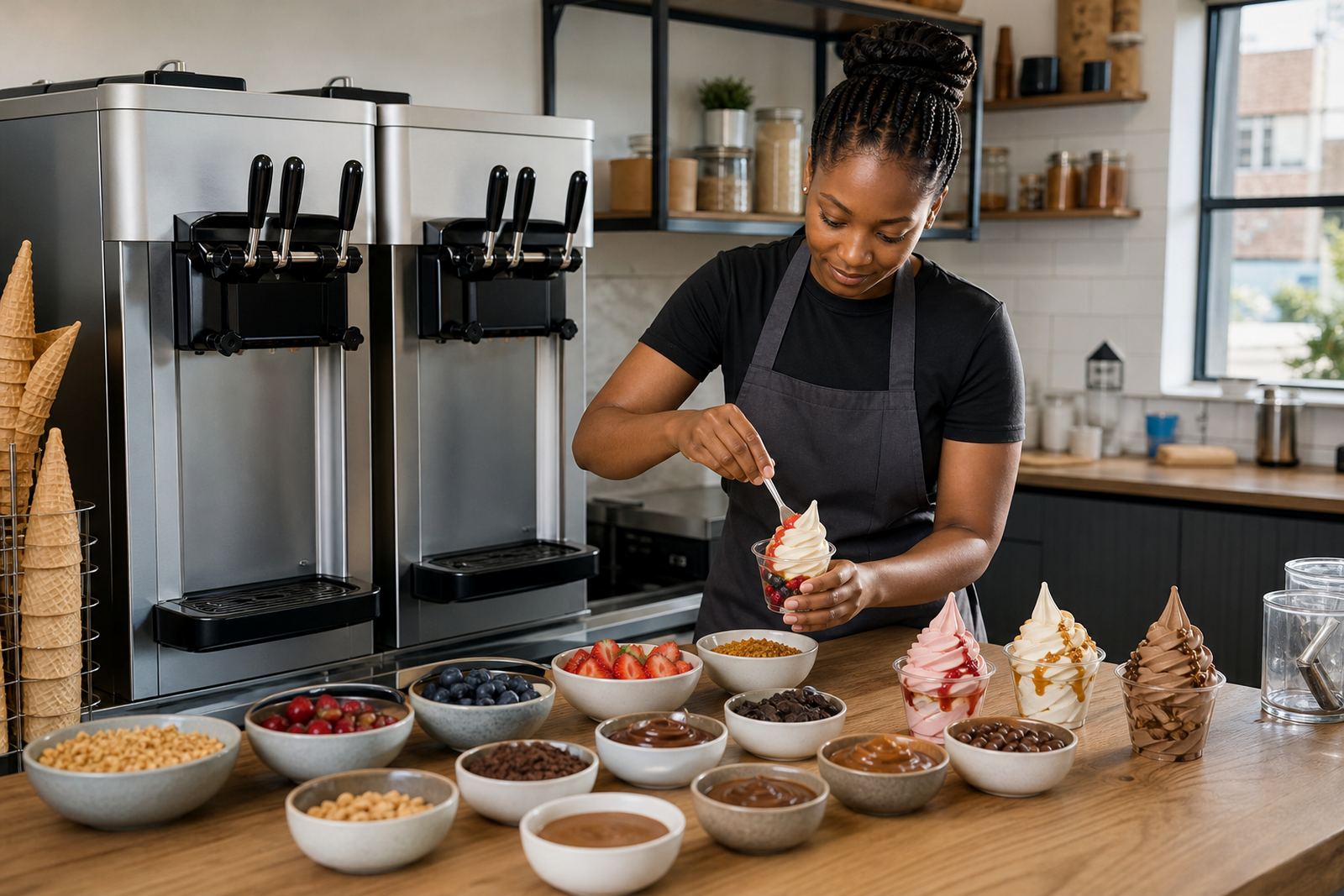
- Keep toppings covered when not in use
- Use separate utensils for each ingredient
- Log cleaning tasks so nothing gets missed on busy days
Train Staff on Serving, Resetting and Simple Troubleshooting
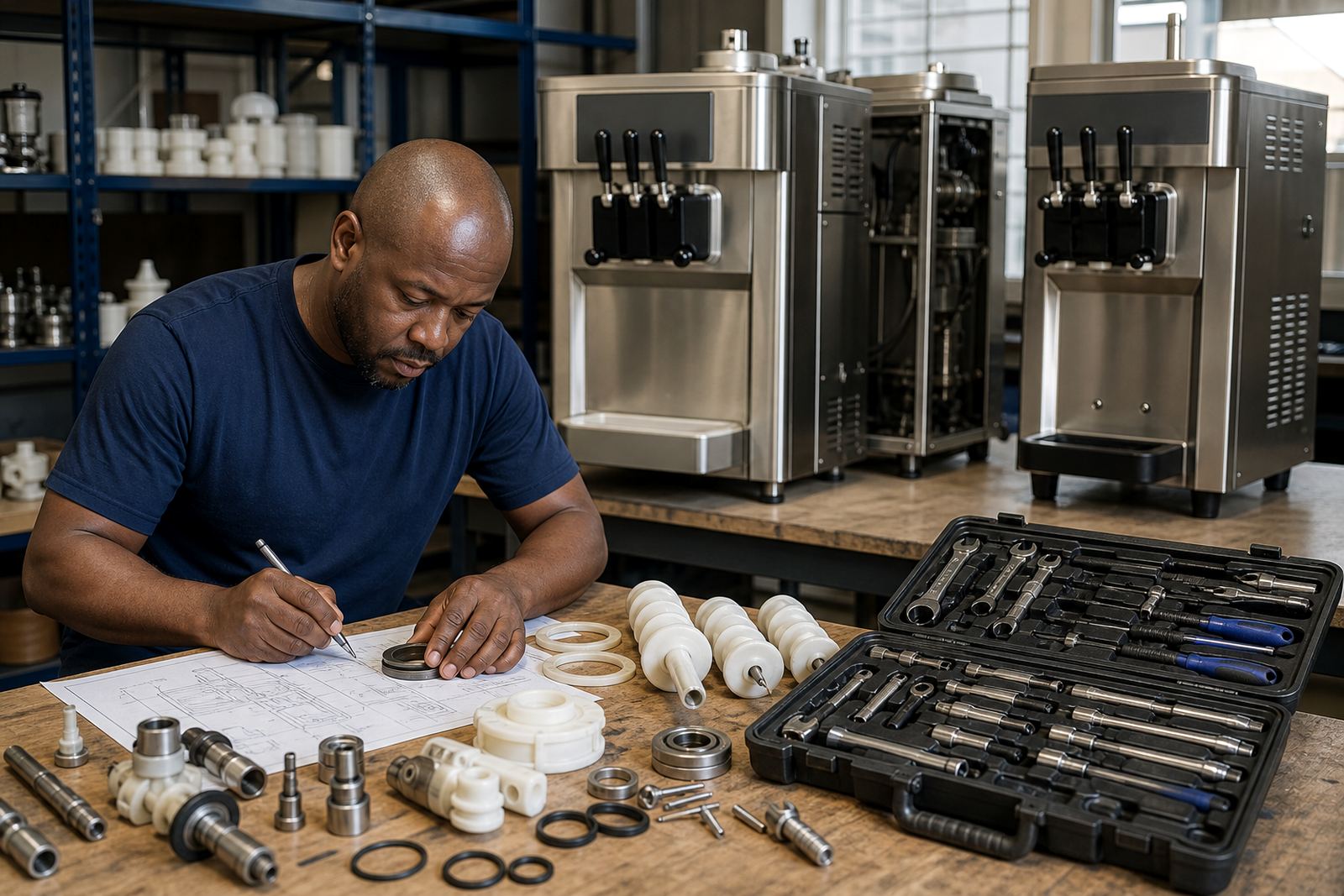
Even a self-serve counter still needs staff who know how to keep it running. Training should cover startup, shutdown, mix changes, temperature checks and basic customer help. Staff must know how to spot the early signs of trouble, such as uneven product texture, a weak flow at the nozzle or a topping station that is running low before the lunch rush starts.
The best routine is practical and repeatable. One person should know the opening check, another should know how to top up stock, and everyone should know who to call if the machine needs attention. If your site has seasonal spikes, such as school holidays or December trade, build in a quick refresher before the busy period. That way the team stays confident and customers are not left waiting.
- Show staff how to load mix and check consistency
- Teach correct cleaning and shut-down steps
- Explain when to call for support instead of forcing a fix
- Keep a printed checklist at the counter for each shift
Use a Simple Opening Checklist for Every Site
A good opening checklist saves time and prevents small problems from becoming service delays. It should be short enough to use every day, but clear enough that a new staff member can follow it without guessing. For multi-site operators in Durban, Pretoria or Cape Town, the same checklist also helps keep standards consistent across all branches.
Before opening, confirm the machine is clean, the mix is ready, the toppings are stocked, the cups are in place and the floor is dry. Check that the customer path is clear and that signs are visible. If you are moving a counter between locations or changing the layout for a season promo, do a fresh setup check before going live. It is much easier to sort a gap before customers arrive than after the first queue forms.
- Machine clean and ready to run
- Mix, cones, cups and toppings stocked
- Power supply checked and area ventilated
- Queue route, bins and payment point clear
- Staff briefed for the day’s trade