
Start with the people buying from you
Begin with the basics: who walks past your counter, what they usually spend, and how quickly they want service. A school crowd in Pietermaritzburg will often respond to low-cost treat options after lunch, while office workers in Umhlanga may prefer a quick add-on to coffee or a takeaway dessert for the drive home. In coastal areas, customers often want lighter, colder options during warm afternoons, but they still expect good texture and a clean finish.
Write down the age groups, peak times and weather patterns around your site. A kiosk near a taxi rank needs speed and a limited menu. A restaurant in a tourist area can carry a few more options because customers are seated longer and will ask for extras. Keep the menu aligned to what your staff can produce without slowing the queue, because long waits cost sales fast.
Choose a short core menu that sells every day
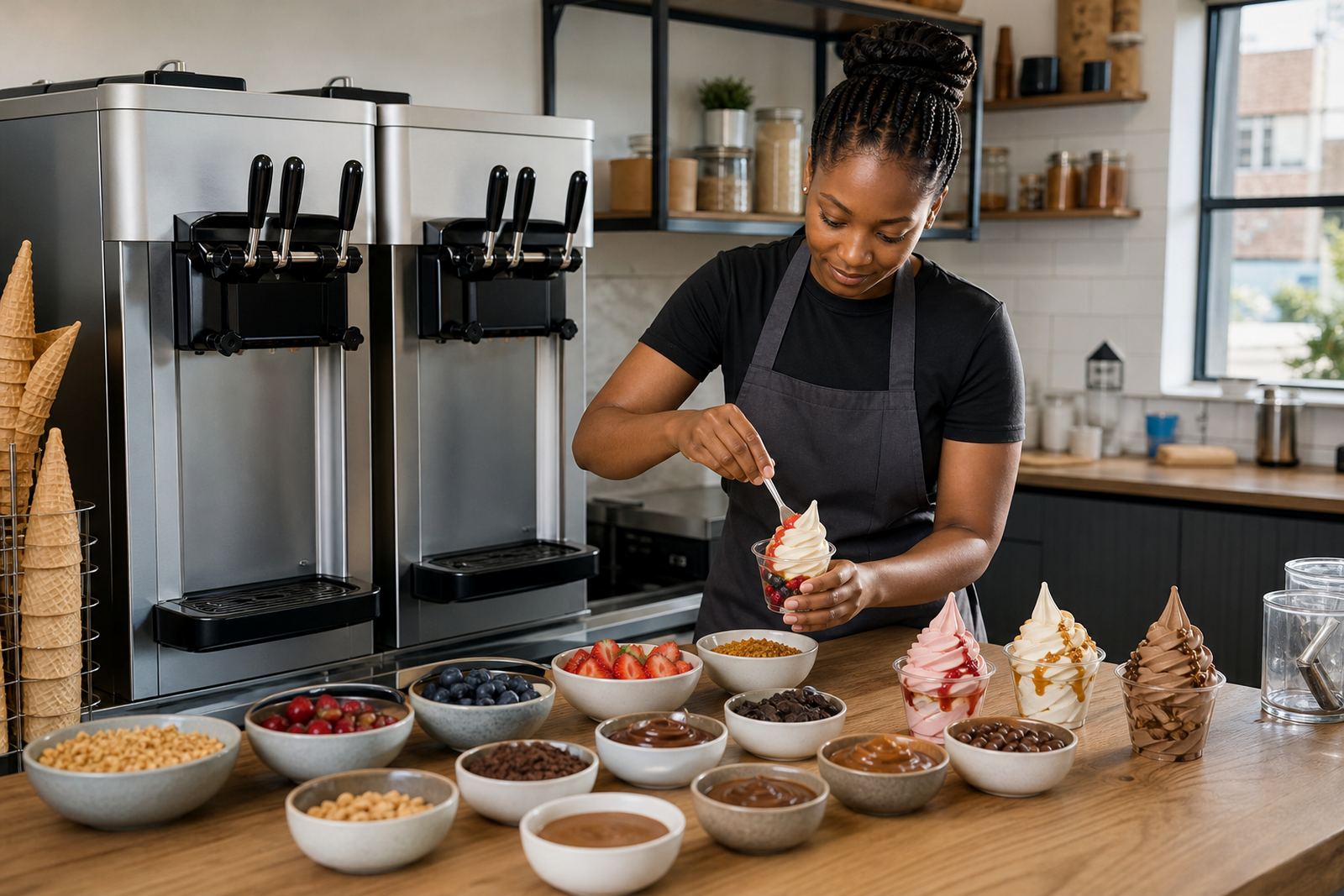
Your core menu should be easy to read and easy to make. Most operators do better with 3 to 5 standard products, not 12. The aim is to keep ingredient stock tight, reduce wastage and make training simpler. If you sell soft-serve and frozen yoghurt, think in terms of one plain base, one rotating flavour, and a few toppings that can move across both lines. That gives you variety without overcomplicating ordering.
- One plain option for the widest audience
- One flavour that suits children and families
- One lighter yoghurt option for health-conscious buyers
- Two or three toppings with strong margin
- One upsell such as cones, cups or a mix-in
Keep the names simple. Customers should understand the offer in a few seconds. A clear board is better than a long list of fancy descriptions that slow the order point down.
Match the menu to your machine and daily volume
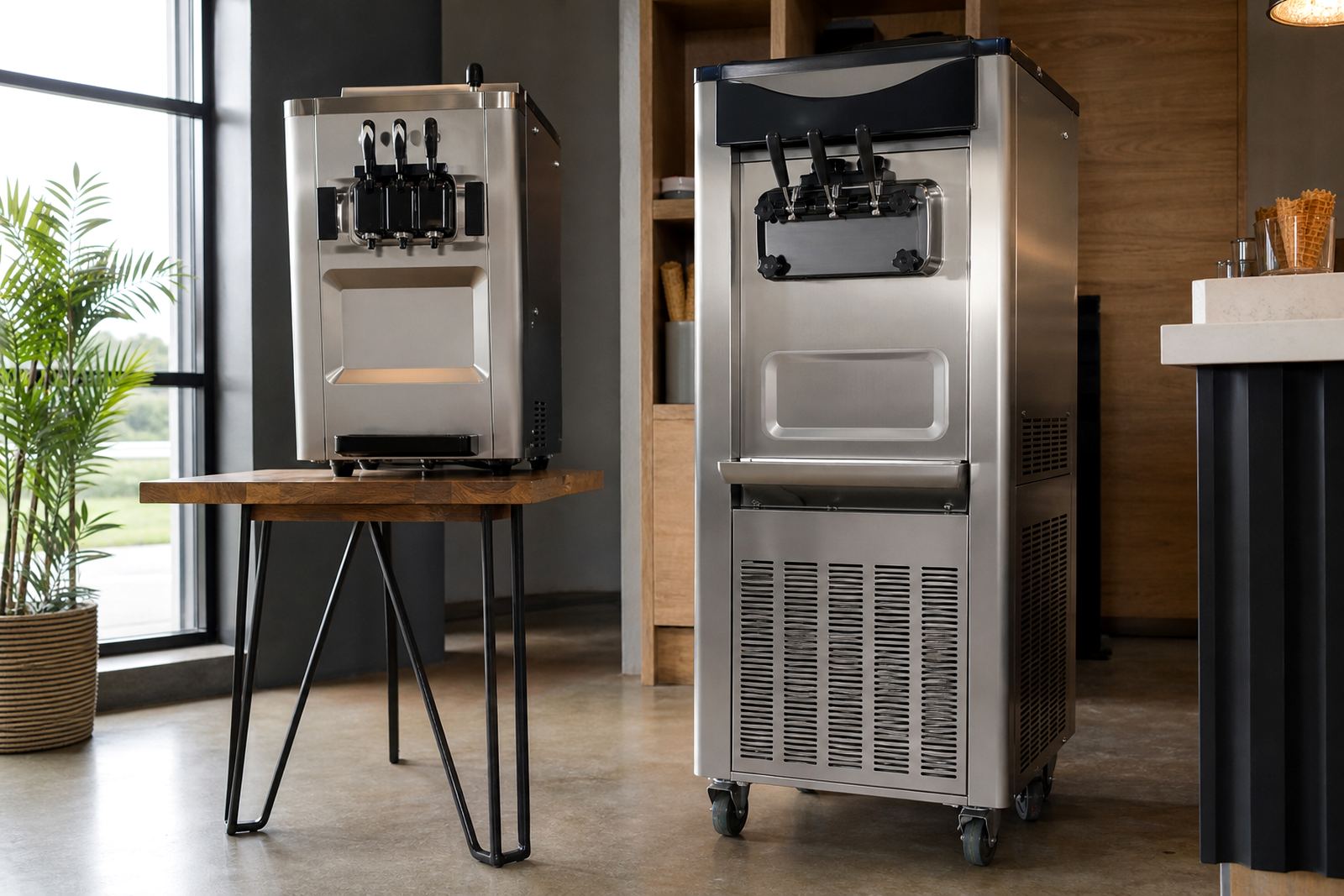
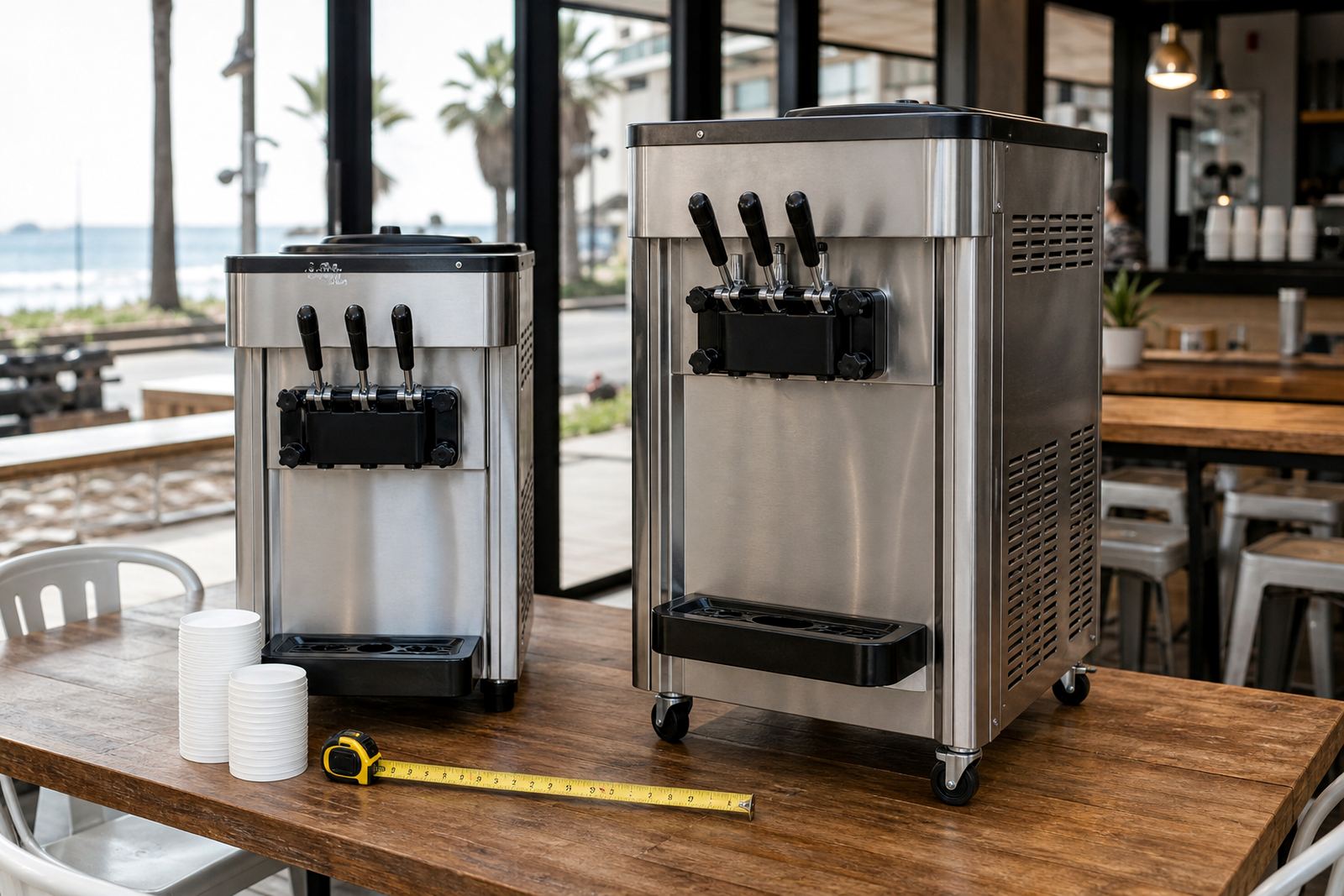
Menu planning must fit the equipment on site. A single machine in a small cafe should not carry the same menu as a high-volume site in Johannesburg CBD. If your machine is handling long trading hours, think about recovery time, batch size and how often the mix needs topping up. In hot weather, especially in Durban and Gqeberha, you need a menu that will hold shape and serve consistently through the day.
Check how many cones or cups you can realistically serve per hour. If your machine is busy during school pick-up or weekend trading, a tighter menu is usually safer. It also helps with stock control because you know exactly how much mix, cones and toppings to keep on hand. When power interruptions happen, and they do, a simpler menu makes it easier to restart trading without wasting product.
Ask these questions before finalising the list: Can one operator serve it alone? Does it require extra storage? Will it stay profitable if demand doubles? If the answer is no to any of those, cut it back.
Build pricing around margin, not guesswork
Frozen desserts can look cheap to sell, but the real margin comes from controlling portion size and add-ons. Calculate the full cost of each item, including mix, cone or cup, topping, labour and wastage. Then set a price that leaves room for seasonal slow periods and municipal costs such as trading fees or waste removal where applicable. If you are in a mall or busy street site, rental and security may also need to sit inside the pricing model.
It helps to plan a pricing ladder. The entry item brings people in, the mid-tier option carries most of the sales, and the premium version boosts basket value. For example, a basic cone, a loaded cup, and a family-sharing tub can all use the same base product but sell at different points. That is where margin usually improves, not just by raising prices across the board.
- Track cost per serving every month
- Review wastage after busy weekends
- Adjust for seasonal demand and school holidays
- Keep a clear price for each add-on
Plan toppings and add-ons that are easy to stock
The best add-ons are the ones that move fast, store well and work across several items. You do not need a long topping list. A small, reliable range is easier to manage and less likely to go stale. In humid coastal areas, dry toppings need sealed storage and regular checks so they dont clump or absorb moisture. Inland, dust and heat can affect packaging if stock is left open near the counter.
Choose toppings that support both impulse buying and repeat orders. Think about crunch, colour and contrast. Customers often decide with their eyes first, so a simple finish can still look appealing if portions are neat. Keep a small checklist for opening and closing so the counter stays clean and the product display remains consistent.
- Dry topping in sealed containers
- One fruit-style topping if the audience expects lighter choices
- One chocolate or caramel topping for higher spend
- Sprinkles or biscuits for children and family trade
- Disposable spoons, napkins and clean scoop tools
Use seasonal changes to keep interest without changing everything
You do not need a brand new menu every season. Change one or two items at a time so customers still recognise what you sell. Summer can carry a brighter, fresher feel, while winter may need warmer add-ons or a dessert pairing that suits indoor trade. In Cape Town, weather can shift quickly, so a flexible menu helps if footfall changes from one week to the next. On the coast, keep an eye on condensation and packaging, especially during morning prep.
Seasonal planning also helps with stock buying. When you know which items will be in focus, you can order better quantities of cones, cups and mix, and your team can prep with less waste. Keep a short note of what sold well in each period. That makes next year easier and saves a lot of trial and error.
Test the menu before you print it
Before you commit to a full launch, run a short test with staff and regular customers. Ask what is easy to understand, what feels overpriced, and what gets ordered most often. You can usually see in a few days whether a product belongs on the permanent menu or should stay as a weekend special. Simple testing is worth more than guessing, especially if your site is in a busy area where every second at the counter counts.
Use this final checklist before going live:
- Menu can be served quickly during peak times
- Each item has a clear margin
- Ingredients are easy to store and rotate
- Staff know the portions and steps
- The list suits the location and customer type
- The menu can handle load-shedding interruptions or a slower trading day
Once the menu works in real trade, keep improving it in small steps. That is usually the best way to build a frozen dessert offer that stays practical and profitable.