
Start with the product your customers will buy twice
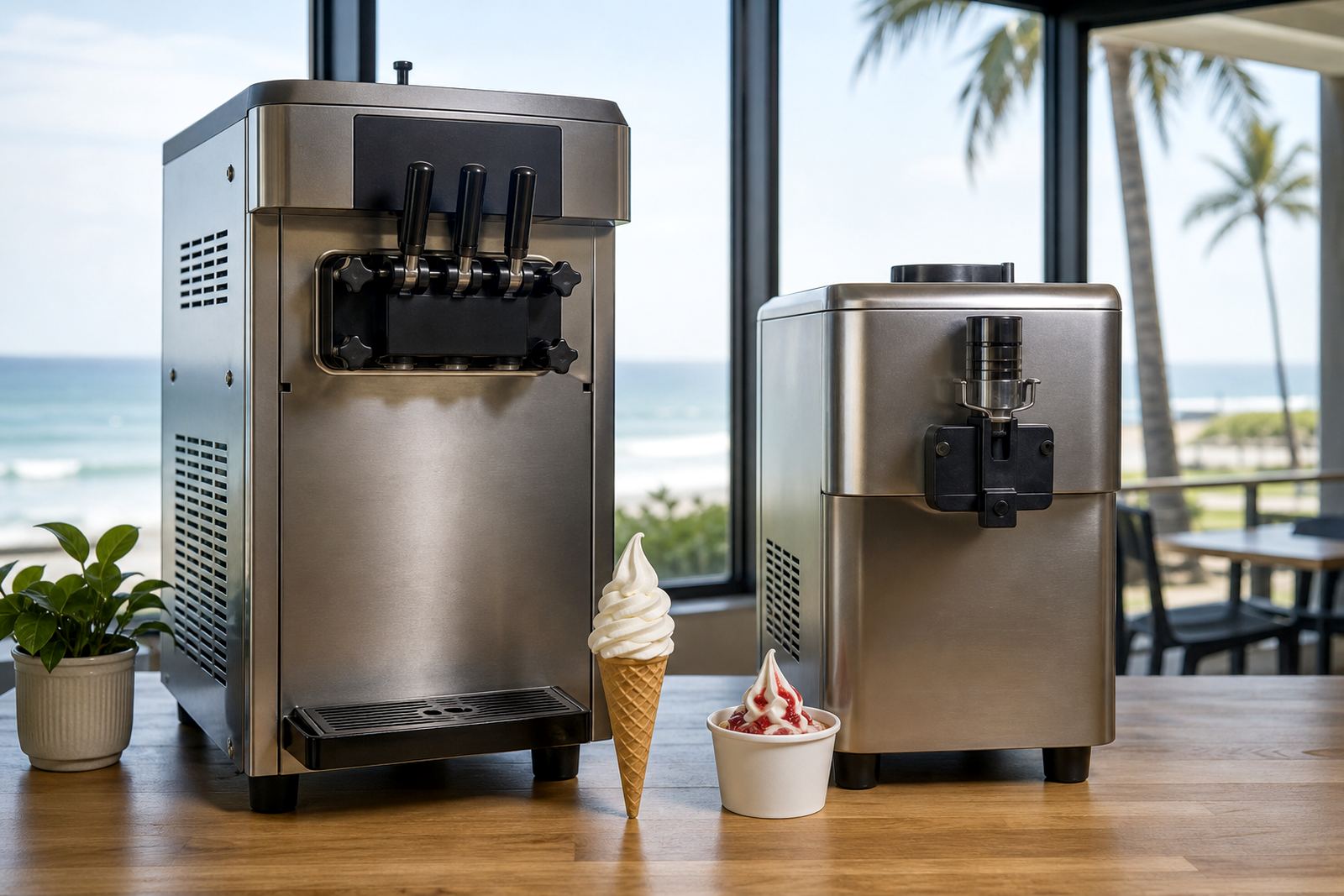
Soft-serve usually wins on indulgence. It has a smoother, sweeter profile and a wider appeal for families, school traffic and after-meal treats. Frozen yoghurt draws buyers who want a lighter option, often with a tangier taste and a cleaner finish. In Durban and other coastal areas, both can move well, but the product choice should match your trading times and neighbourhood traffic.
If your counter serves quick dessert sales, soft-serve is often easier to position as a high-turnover item with simple flavours and fast portioning. Frozen yoghurt can work very well where customers like self-selection, toppings and a more health-conscious offer. It also helps if your business already sells fruit bowls, smoothies or lighter meals. The important point is that the best product is the one your customers ask for repeatedly, not just once.
What changes in the machine room and on the counter
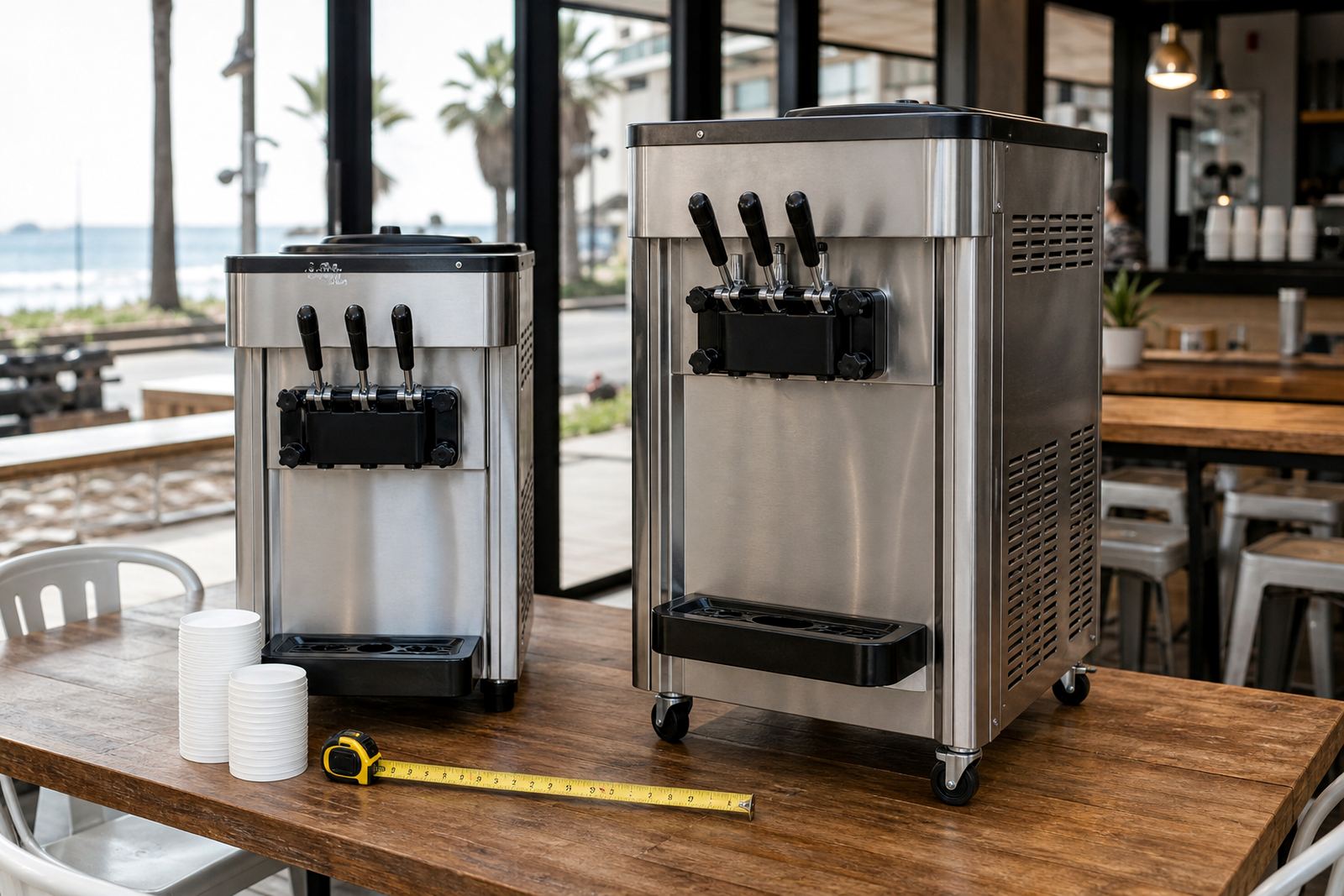
Both machine types need proper space, ventilation and a stable power supply. In South Africa, load-shedding planning is part of the job, so you need to think about backup power and start-up timing before peak trading. Soft-serve machines are often used for consistent texture and high volume, while frozen yoghurt setups may be chosen for easy flavour rotation and a slightly different serving profile.
For a kiosk or café, allow enough counter space for dispensing, drip trays, sanitiser access and a clean topping area. If you are near the coast, salt air and humidity can affect exposed metal parts and seals, so daily wipe-downs matter. A good setup also includes clear product storage, labelled mix containers and a routine for cleaning at closing time, not just when something goes wrong.
- Check the available power points and confirm your circuit can handle the machine load
- Measure doorway and corridor widths before delivery or a site move
- Leave space for cleaning access on the back and sides
- Keep mix and cones in a dry store, away from heat and dust
- Plan for backup power if you trade through load-shedding windows
Menu planning: keep the offer simple or let customers build it
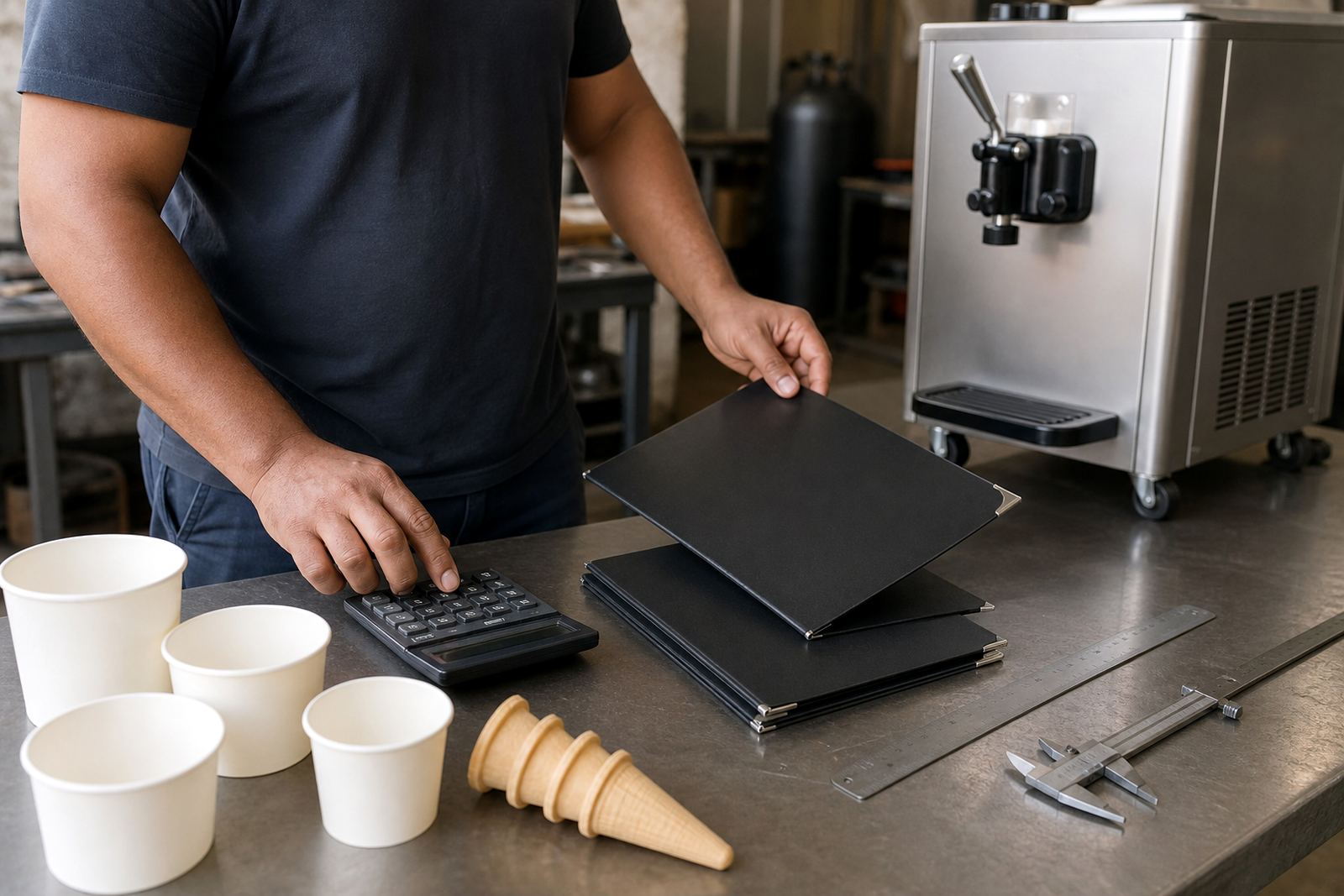
A soft-serve menu can stay very tight and still sell well. One or two flavours, a cone option, a cup option and a short list of toppings is enough for many sites. That keeps queue times down and makes training easier for new staff. Frozen yoghurt usually works best when you give customers a bit more control over toppings, portions and flavour mix, since people often see it as a customisable treat.
On busy days, simpler menus are easier to manage and stock. If your site in Pretoria or Johannesburg sees lunch traffic, keep the service line quick. If you are in a leisure area or near a school, you may have room for more topping choices and upsells. Both products can support good gross margin, but only if you control wastage and keep serving sizes consistent. Small changes in portion control can make a real difference over a month.
- Decide whether you want a fixed menu or a build-your-own format
- Set standard portions for cones, cups and toppings
- Track which flavours sell fastest by day and by location
- Review expiry dates and batch usage every week
Choosing between soft-serve and frozen yoghurt for your site
The right choice depends on footfall, customer age group and how much supervision your counter can handle. Soft-serve is often the better fit for quick service restaurants, family cafés and kiosks that want familiar dessert sales. Frozen yoghurt suits sites that want a lighter image, more topping variety and a product story that gives staff something to explain at the counter.
Think about your trading hours too. If you open early and close late, you need a machine and support plan that fits long operating days. In some locations, afternoon heat drives strong demand while evening trade is slower, so you may want a setup that can be switched into a lower-volume service pattern. Your team should know when to thaw, when to refill and when to pause service for cleaning so the machine stays consistent.
A simple decision checklist helps:
- Do your customers want a richer dessert or a lighter one?
- Will you sell mostly impulse purchases or planned treats?
- Can your team manage toppings, stock rotation and cleaning?
- Do you have enough space for storage and daily sanitation?
- Will your location cope with summer demand and power interruptions?
Training and maintenance keep the product steady
Good frozen treat sales depend on operator habits as much as the machine itself. Staff need to know how to start up, check mix levels, manage dispensing and clean parts properly. If a machine is set too soft or too hard, customers notice immediately. The same applies to frozen yoghurt, where texture and flavour balance can change quickly if the mix is not calibrated correctly.
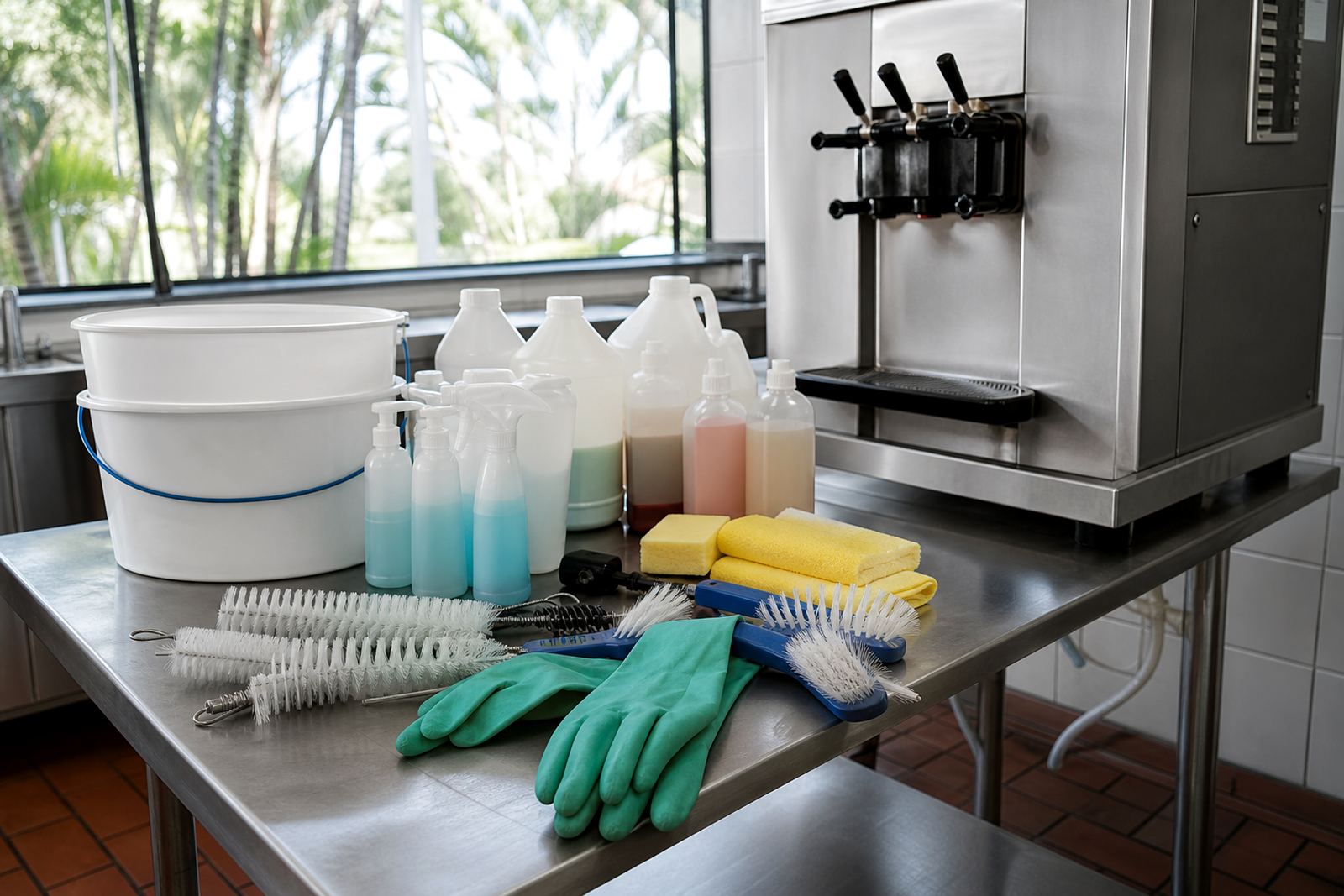
Preventive maintenance is cheaper than breakdown repairs, and it helps avoid missed trade on busy weekends. Regular seal checks, sanitising routines and deep cleans protect both the product and your reputation. In coastal towns, check for corrosion and moisture build-up more often. If a site is being relocated or refitted, plan the move carefully so the equipment arrives clean and ready. A short support call can save a lot of wasted stock and frustration, especially when trade is busy and the team is under pressure.
- Do a daily rinse, wipe and sanitise cycle
- Check seals, hopper lids and dispensing parts weekly
- Keep a record of service dates and repairs
- Use operator training to reduce waste and errors
- Book a deep clean before peak season or after long shutdowns
How SnoCream supports cafés and kiosks across South Africa
SnoCream works with cafés, kiosks and restaurants from Springfield Park in Durban to Johannesburg, Pretoria, Cape Town, Gqeberha and Pietermaritzburg. The support side matters because a frozen dessert offer is only useful if it keeps trading through busy weekends, school holidays and hot spells. Our team handles machine installation, startup commissioning, operator training, preventive maintenance, breakdown repairs, deep cleaning, seal and parts support, mix calibration, site relocations, phone support, sanitising supplies and season prep checks.
If you are opening a new dessert counter, replacing older equipment or adding a second unit, the best time to plan is before summer rush starts. That gives you time to sort out power, storage, staff training and menu flow. Sibusiso Naidoo leads the business, with Thandi Mkhize, Jason Pillay, Lerato Molefe, Anele Dlamini, Willem van Zyl and Nokuthula Khumalo supporting sales, technical work, customer help, project coordination and logistics. Clients reach us through the enquiry form on our contact page, which keeps the process neat and traceable.
A quick final check before you choose
Soft-serve and frozen yoghurt both have a place, but they are not the same decision. Soft-serve is usually the simpler route if you want speed and broad appeal. Frozen yoghurt is often better if you want a more custom menu and a slightly lighter customer perception. The right answer comes down to your location, your labour, your power supply and the customers walking past your counter every day.
Before you commit, ask whether your team can keep the machine clean, the stock cold and the service line moving. If those basics are in place, either format can work well and pay its way. The real difference is not just flavour, its how well the setup suits your trade.