
1. Confirm the exact position for the machine
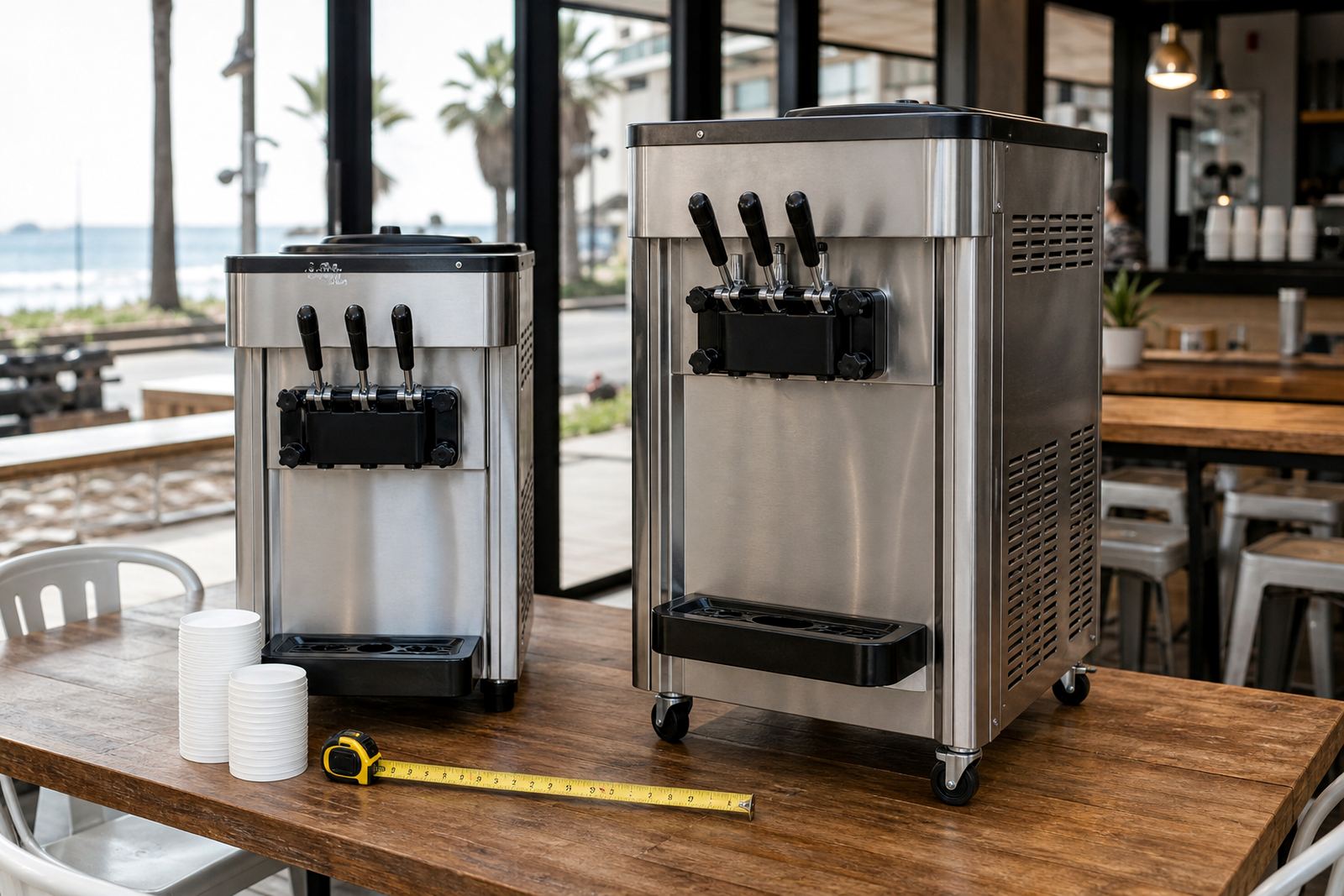
Start with the floor plan, not the guesswork. The machine needs a level, stable surface with enough space around it for loading mix, cleaning and routine service. In a busy café or kiosk, it helps to mark the exact spot on site before delivery so the team knows where the unit will stand and where staff will move during service.
Allow for clear access at the front and sides, plus space for opening panels and reaching power points. If the site is in a mall, food court or a coastal area such as Durban or Gqeberha, check that the position is away from direct sun, sea air and hot cooking equipment. That reduces wear and helps the machine run more consistently.
- Measure the floor space including service clearance
- Check that the surface is level and strong enough
- Keep the machine away from ovens, grills and direct sunlight
- Make sure staff can load, clean and operate it without crowding
2. Check the power supply before delivery day
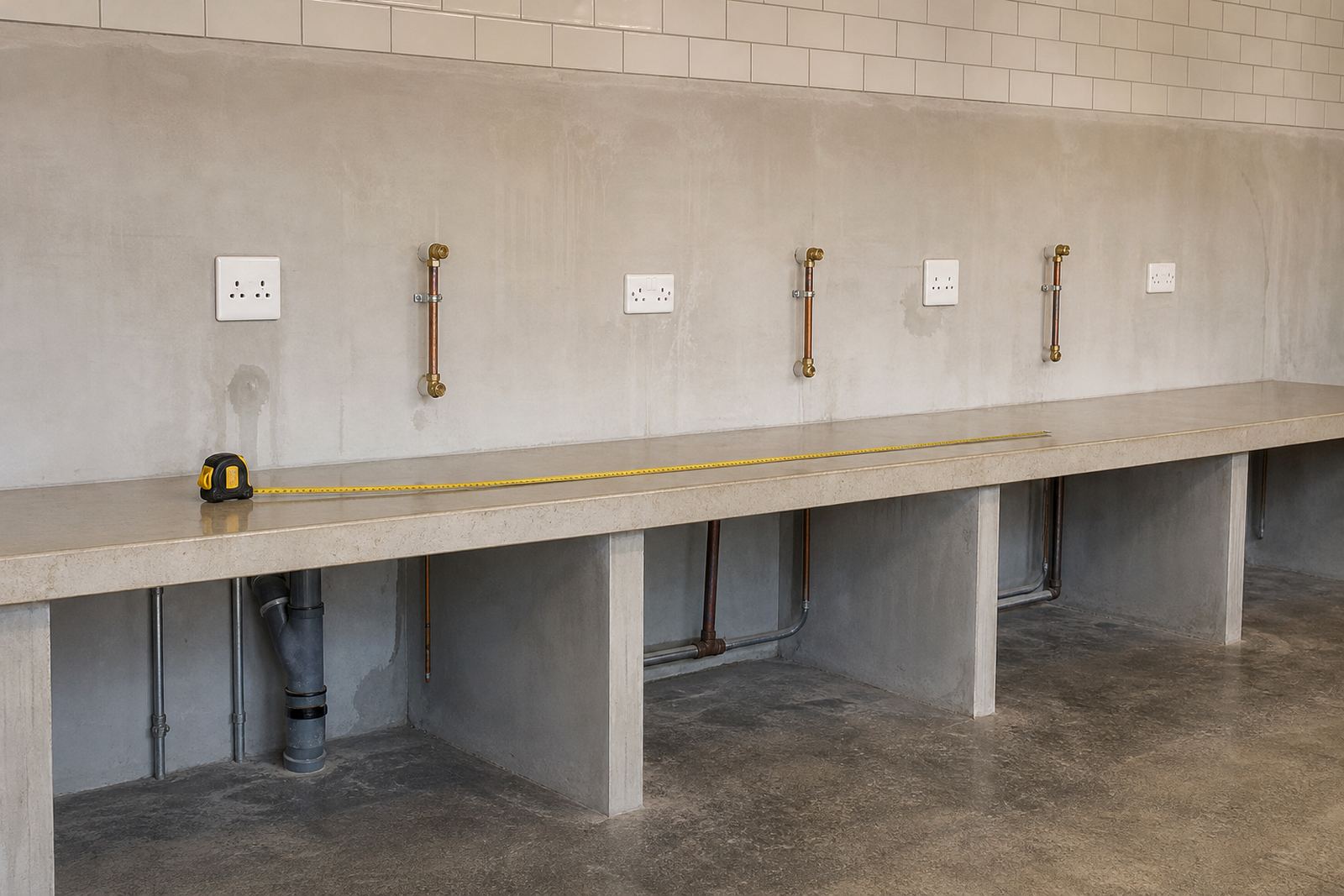
Soft-serve and frozen yoghurt machines need a proper electrical supply, not a shared extension lead or overloaded wall point. Confirm the voltage, plug type and circuit capacity before the unit arrives. In some locations, especially where load-shedding or generator use is part of daily trading, the machine should be matched to the site power plan so there are no surprises.
Ask an electrician to check the circuit, isolator and earth connection. If the machine will run next to refrigeration, lights and a till system, that load needs to be counted too. A weak supply can cause tripping, poor freezing and avoidable service calls. The site should be ready for stable power, even if the business uses backup supply during outages.
- Confirm the voltage and plug type with the supplier
- Use a dedicated circuit where possible
- Check that the breaker and wiring suit the load
- Plan for load-shedding with tested backup power
3. Water, drainage and hygiene points
Most sites need a practical water and drainage setup before a machine can be installed and cleaned properly. The area should have easy access to clean water for rinsing, sanitising and washdown, plus a drain or waste water route that will not flood the floor. If the unit will be used in a kiosk or restaurant kitchen, make sure the cleaning point is close enough for staff to work safely and quickly.
Water quality matters too. If the local supply carries heavy sediment or scale, filters may be needed to protect the machine and reduce maintenance issues. Drainage must be clear and legal, especially in municipal areas where wastewater rules are enforced. Standing water is a slip risk and can also lead to bad smells or pest problems.
- Check that clean water is available at the site
- Confirm where rinse water and wash water will go
- Install filters if the water supply is hard or dirty
- Keep the floor dry and sloped where possible
4. Ventilation and temperature control
Frozen dessert equipment performs better in a cool, well ventilated area. Hot, closed rooms can make the machine work harder and can affect the consistency of the product. In places like Cape Town, Pretoria or Johannesburg, indoor temperatures can change through the day, so the site should not trap heat around the unit. Good airflow also helps staff work more comfortably during peak trading hours.
Do not place the machine right next to fryers, dishwashers or other heat sources. Leave enough room for air circulation at the back and sides, and avoid blocking vents with boxes or stock. If the machine will sit inside a small kiosk, the team should test the temperature in the hottest part of the day before final placement. That step is often overlooked, then the unit struggles once trading starts.
- Keep the machine out of hot, enclosed corners
- Allow free air flow around the cabinet
- Avoid placing stock against vents or fans
- Test the room temperature during peak trading hours
5. Access for delivery, lifting and daily service
Delivery access is one of the most common problems on installation day. Measure doorways, gates, passages, lifts and turning space before the machine leaves our base in Springfield Park. The route should suit the equipment size and allow safe movement with trolleys or lifting gear. If there are stairs, narrow corridors or mall delivery rules, those details must be confirmed in advance.
Also think about daily access for operators and service technicians. The machine should be easy to reach for cleaning, mix top-ups and maintenance checks. A crowded back area slows everything down and makes faults harder to spot. Good access saves time for the team and helps the machine stay in service longer.
- Measure all doors, gates and passages in advance
- Check lift size and delivery bay rules where relevant
- Confirm safe lifting and moving space on site
- Leave room for cleaning and scheduled servicing
6. Final readiness check before installation
Before the machine arrives, do a last walk-through with the site manager or owner. Confirm that power is live, water is connected, the floor is clear and the chosen position is marked. Have the cleaning materials, sanitising supplies and operator space ready so startup commissioning can happen without delay. If the unit is going into a new shop or refurbished kiosk, this is the time to check that the shop opening date and delivery timing still match.
Our team supports sites across Durban, Johannesburg, Pretoria, Cape Town, Gqeberha and Pietermaritzburg with installation, startup commissioning, operator training and preventive maintenance. A prepared site means less downtime, fewer callouts and a smoother first week of trading. It also helps the business start with the right habits from day one.
- Power connected and tested
- Water and drainage ready
- Access route clear for delivery
- Cleaning and sanitising items on hand
- Staff briefed for startup and daily use