
Start with the kind of service you run
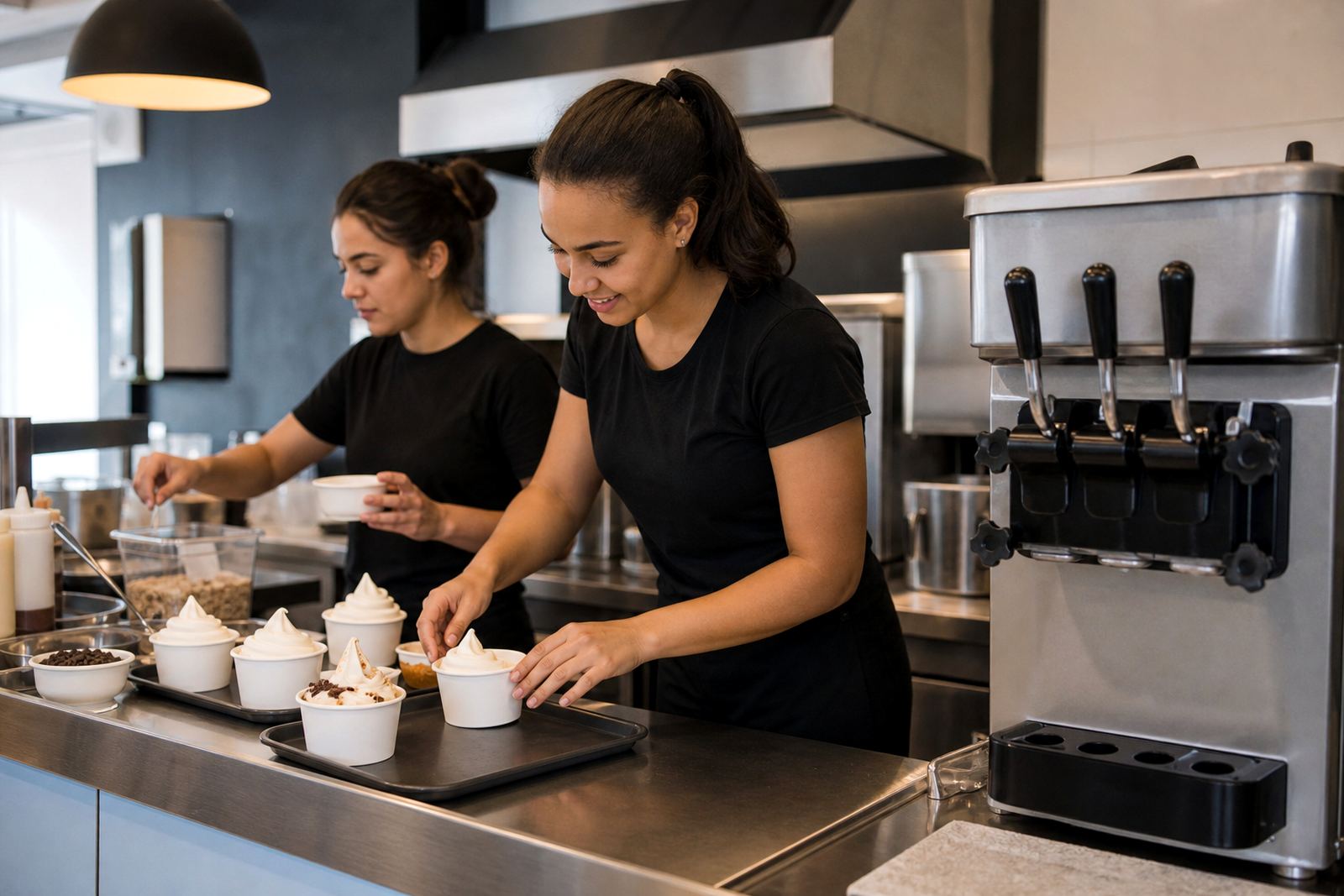
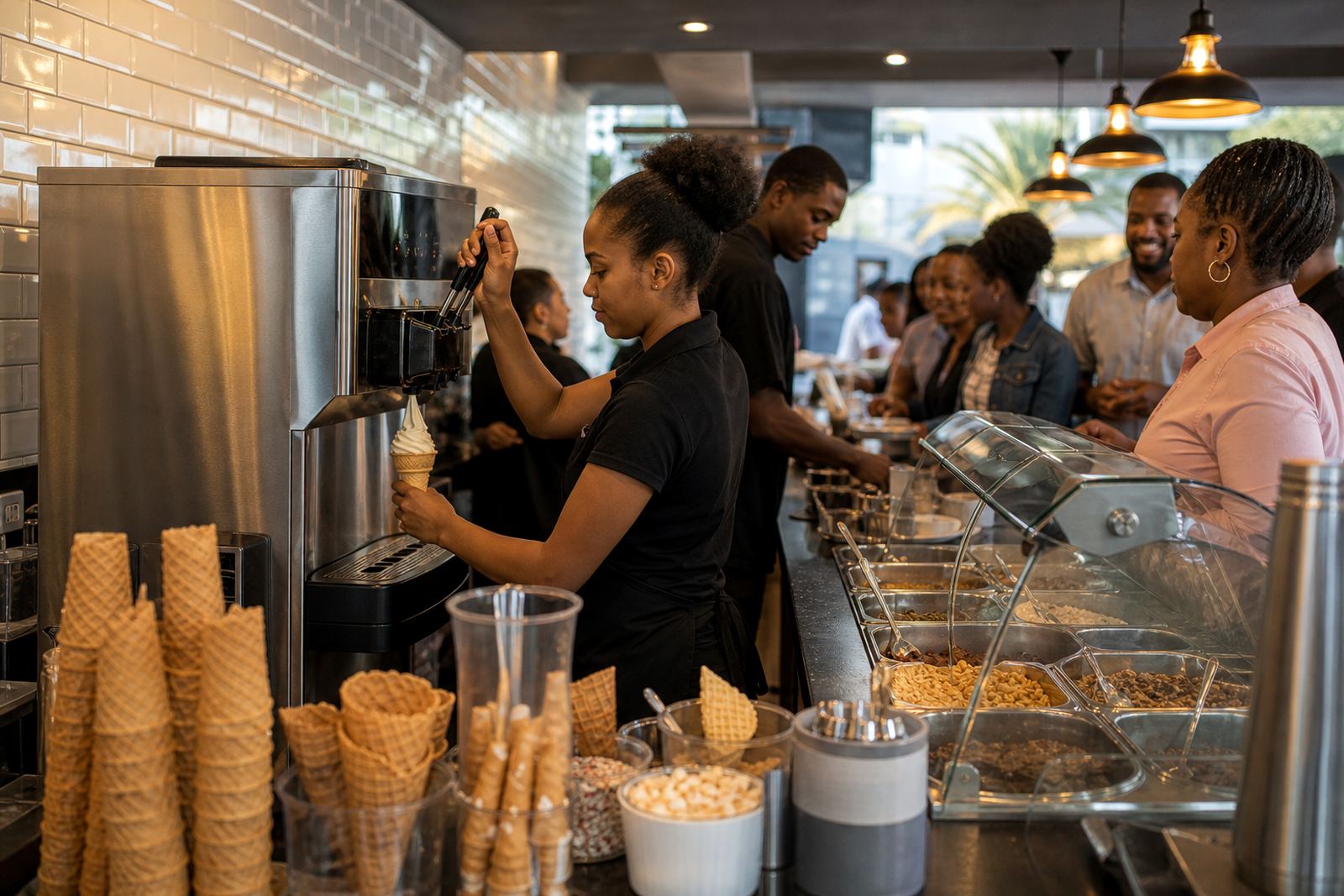
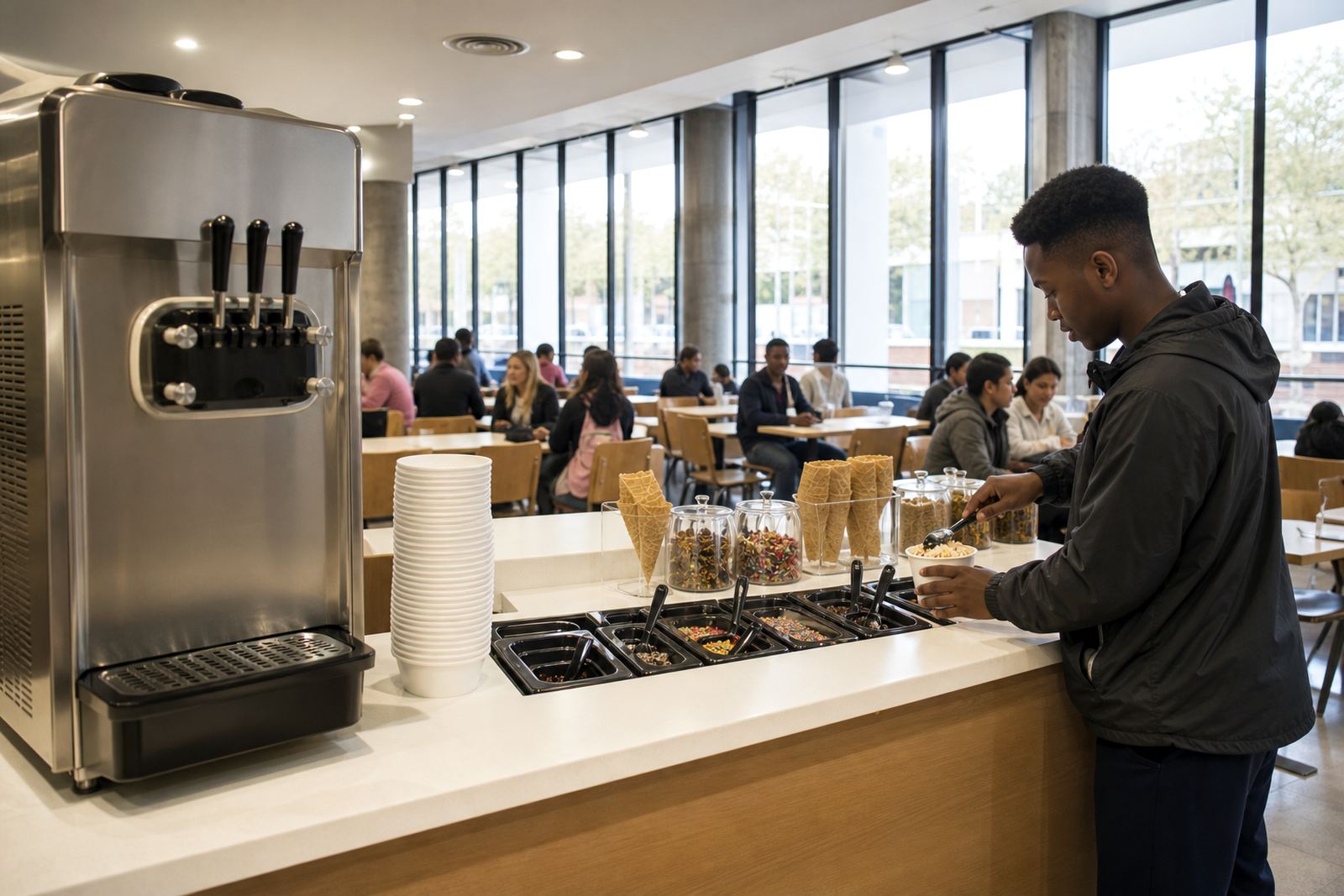
A kiosk serving school traffic needs a different cone range to a sit-down cafe or a busy restaurant counter. If customers order quickly and eat while walking, smaller cones and neat portion control usually work best. If your menu leans toward dessert bowls and plated sweets, a sturdier cone selection with more room for toppings can make more sense.
Think about how many units you need to turn over on a normal day, not just on a busy Saturday. In Durban and other coastal towns, high humidity can affect storage conditions, so you want cones that stay crisp and are packed in a way that protects them from softening. If your storage space is tight, fewer cone types can also make stock rotation easier and reduce breakage.
Match cone size to your selling price
Your cone size should fit the price point you want to protect. A lower-priced treat needs a cone that keeps your serving cost under control, while a premium dessert can justify a larger cone with a more generous finish. The trick is to balance perceived value with actual cost per serve.
If the cone is too large for your standard portion, customers may feel shortchanged. If it is too small, you may end up overfilling and wasting mix. Use one or two fixed serving sizes so your staff can keep portions consistent, especially during load-shedding when service can slow and mistakes become more likely.
- Use smaller cones for value menus and high-volume trade
- Use medium cones for most daily orders
- Keep larger cones for premium specials or toppings-led items
- Cost each serve from cone to topping before setting your menu price
Choose shapes your team can serve cleanly
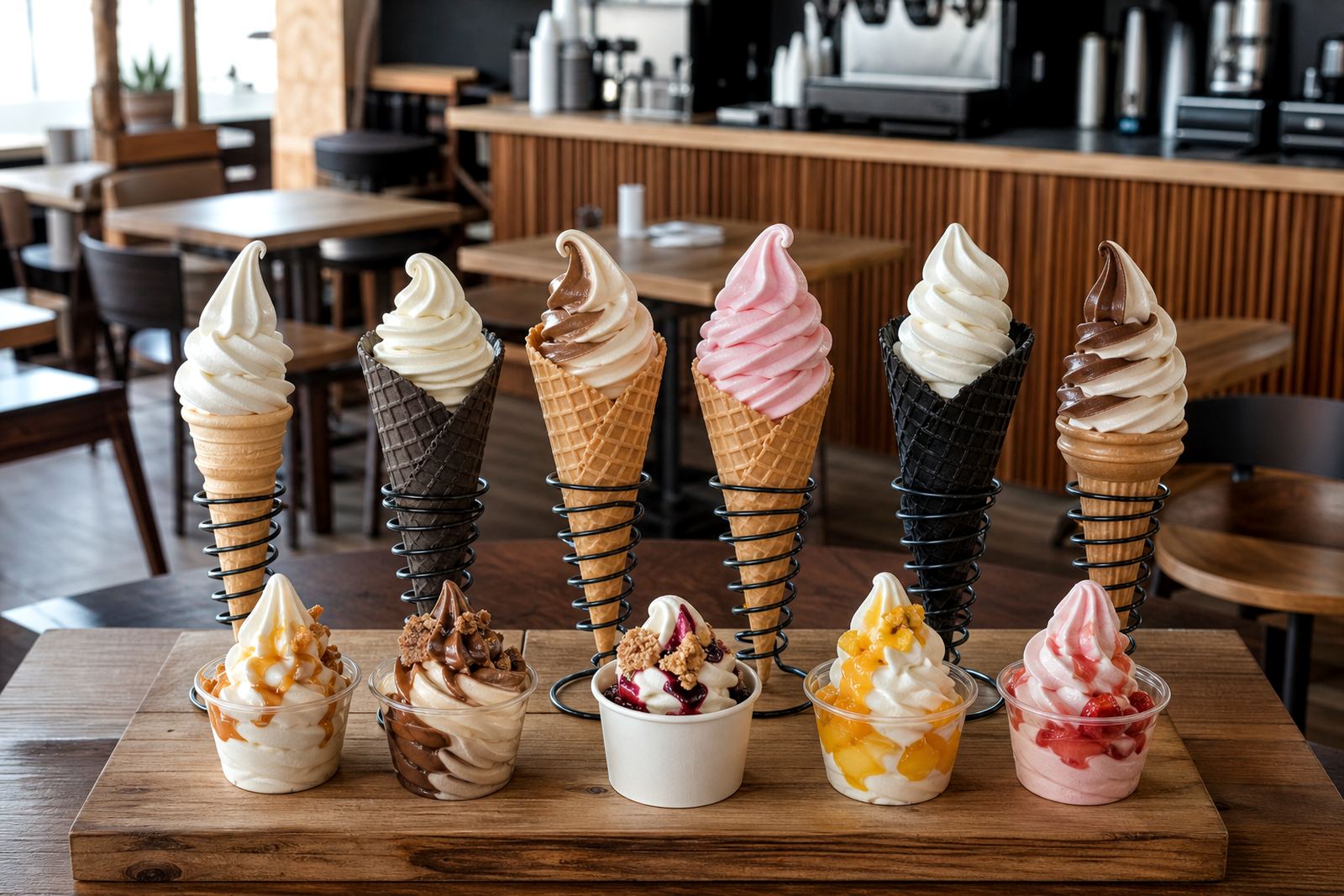
Some cones are better for soft-serve swirls, while others hold their shape well under heavier toppings. A straight-sided cone can be easier to portion neatly, while a flared cone may look fuller with less product. The right shape also helps your staff work faster, which matters when the queue builds up over lunch or after school.
Ask whether the cone is easy to hold, easy to package and easy to eat without making a mess. That detail matters in family areas, malls and takeaway counters where customers often eat on the move. It also helps to test how the cone sits in hand because a slippery cone can lead to spillage and customer complaints.
- Flat or straight cones suit quick service and simpler toppings
- Flared cones suit fuller servings and visual appeal
- Waffle-style cones can support richer dessert builds
- Smaller cones are handy for children’s menus and tasting portions
Keep your range tight enough to manage stock
Many businesses do better with a compact cone range than a long list of options. Three to five core choices are often enough for a cafe, kiosk or restaurant that wants flexibility without clutter. This keeps ordering simpler, lowers the chance of dead stock and makes it easier to train new staff.
In places like Johannesburg, Pretoria and Cape Town, customer taste can vary by suburb, but the basics stay the same: people want speed, good value and a treat that looks right. If you run multiple sites, standardising cone sizes also makes transfers and reordering easier. It saves time when one branch is busy and another has spare stock. That bit of planning helps more than people think.
- Stock one value cone, one standard cone and one premium cone
- Keep spare packaging for each cone type you actually use
- Review sell-through weekly, not only at month end
- Remove slow-moving items before they become waste
Think about storage, hygiene and local conditions
Cone quality is not just about taste. It is also about how well it stores, how it handles heat and whether it stays clean and dry in your back-of-house area. Near the coast, where humidity is higher, packaging needs to stay sealed and off the floor. In summer, a warm storeroom can soften stock quicker than expected.
For businesses in Pietermaritzburg, Gqeberha or along the KZN coast, clean dry storage matters almost as much as the cone itself. Keep cones away from cleaning chemicals, open flour bags and any area with pest risk. If your site is under municipal inspection, tidy storage and clear labelling help show that your operation is well managed. It also makes daily service smoother.
Use one range for daily trade and another for specials
A practical way to protect margin is to keep a reliable everyday cone range and use a smaller number of special cones for promotions or seasonal items. That gives you variety without making the counter too complicated. It also lets you test demand before committing to larger volumes.
For example, a Durban kiosk near a family promenade may sell mostly standard cones during the week, then bring in a premium option for weekend trade and holiday periods. A restaurant in Umhlanga might prefer a neater cone for plated desserts and a stronger stock of standard cones for takeaway. The point is to let your menu lead the cone choice, not the other way round.
Before you settle on a range, ask these questions:
- What is my busiest time of day, and how fast must service move?
- Do I need a cone that suits children, adults or both?
- Can my team portion the serve neatly every time?
- Will the cone hold up well in heat and humidity?
- Does the cone price still leave enough margin after toppings and packaging?
A local example from Durban service counters
One Springfield Park operator serving school traffic and office customers found that three cone sizes were one too many for daily trade. They reduced the range to a standard cone, a smaller value cone and a limited-run premium option for weekends. The change made stock checks faster and reduced breakage in storage. It also helped staff keep the output consistent during peak hours.
That kind of adjustment is common across South Africa. The best cone range is rarely the biggest one, it is the one your team can manage cleanly and sell at a price customers accept. If your menu is simple, keep the cones simple too. If your dessert offer is more ambitious, use the cone range to support it without overcomplicating your counter.
The aim is a range that works for your menu, your audience and your margins. When those three line up, frozen treats become easier to sell and easier to run.