
Why the last 20 minutes matter more than the first rush
The closing shift sets up the next trading day. If the machine is left with product sitting in the hopper or mix lines not cleared properly, the first customer the next morning may be met with slow draw, uneven texture, or a machine that needs attention before service can start.
In Durban, where humidity and warm coastal air can work against overnight cleanliness, the end of day routine is not just about tidiness. It is about protecting the product, the parts and the staff time that would otherwise be lost during opening. A strong close also helps smaller operators and busy kiosks avoid waste when trading hours are already tight.
- Plan the close before the final rush starts.
- Assign one person to shut down, clean and record notes.
- Keep the same order every night so nothing gets missed.
Empty, rinse and clean in the right order
Start with product management. Use up the remaining mix where possible, then follow the cleaning procedure for the machine type you are using. Do not top up old mix with fresh mix at the end of the day unless your approved process allows it. That habit can affect taste consistency and hygiene.
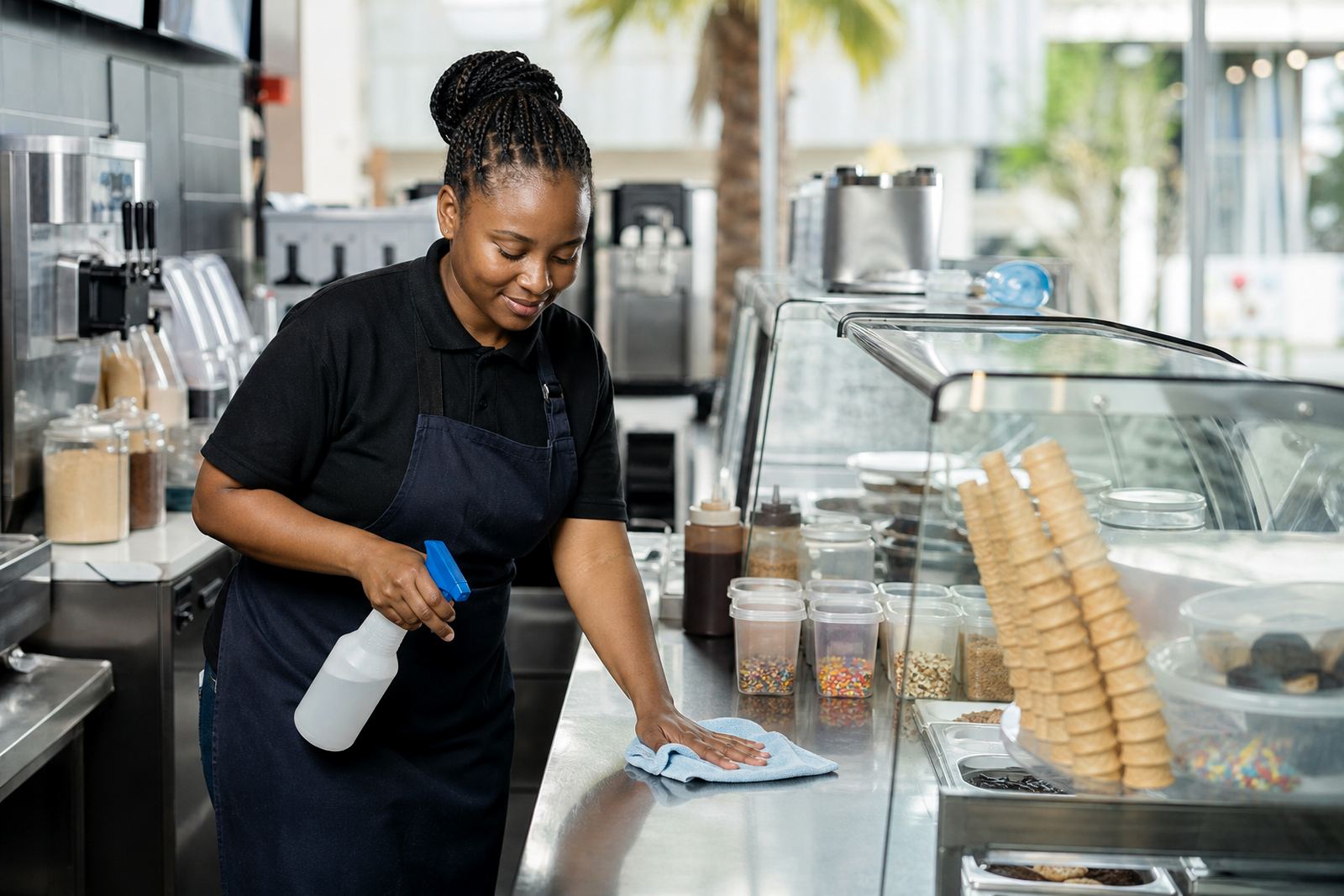
Rinse and clean each food contact part carefully, including the hopper, seals, nozzles and drip areas. Pay attention to corners and gaskets where residue tends to sit. If your team works in a kiosk with limited sink space, set out the containers and cloths before the rush so the cleaning flow is smooth and not rushed.
- Drain and remove remaining product according to your operating procedure.
- Wash all removable parts in warm water and approved cleaning solution.
- Inspect seals, O-rings and moving parts for wear before reassembly.
- Leave all parts to air dry where possible, rather than wiping them on reused cloths.
Protect the machine from overnight damage and power interruptions
South African trading conditions make power planning part of the closing shift. If load shedding or local outages are common in your area, switch off and isolate the equipment in the proper sequence once cleaning is complete. This helps avoid unnecessary strain when electricity returns unexpectedly and reduces the chance of a rough restart in the morning.
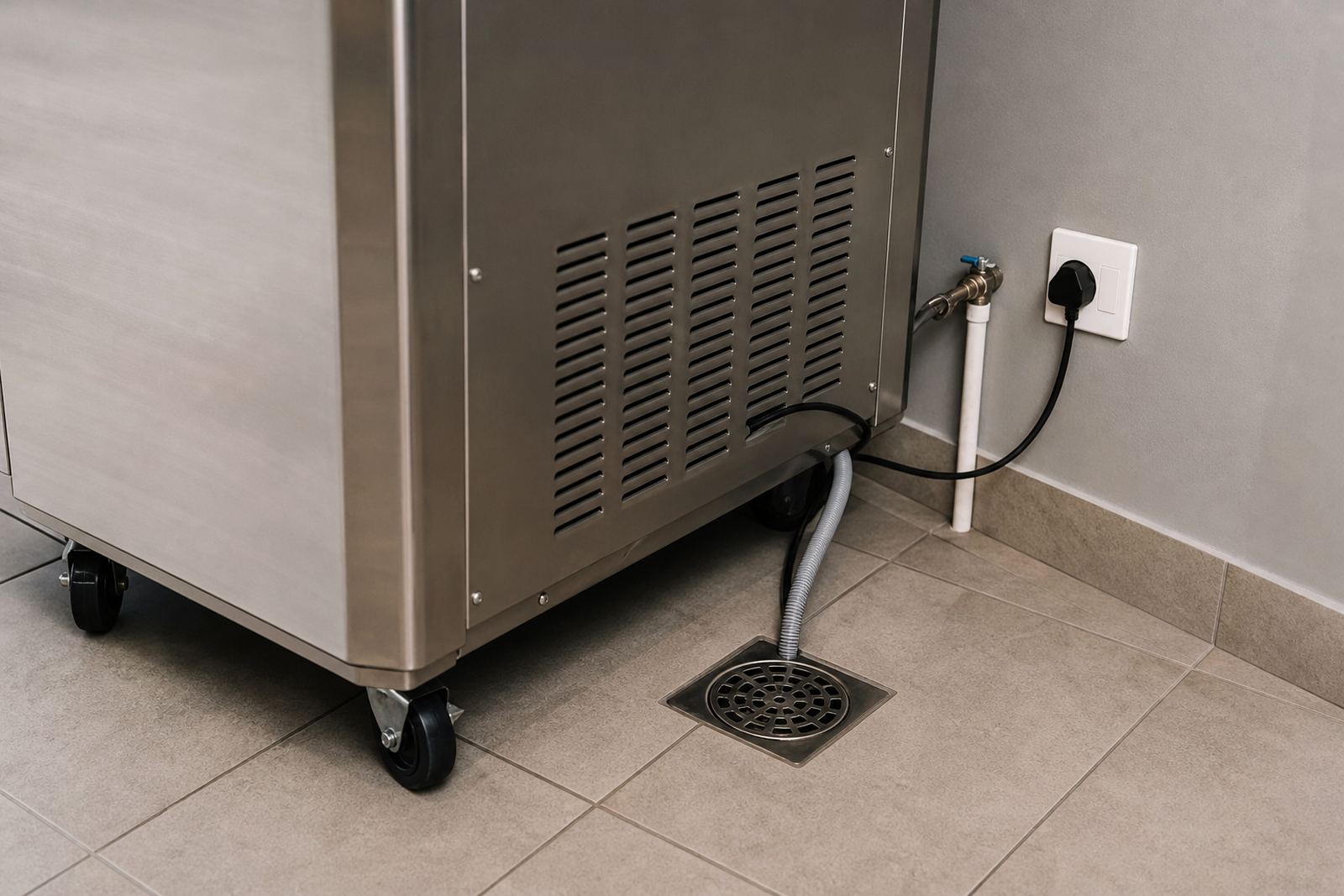
Check that switches, covers and lids are closed properly. Make sure the area around the machine is dry and clear of sugar spills, milk residue and floor moisture. In coastal areas like Durban and Gqeberha, that extra attention matters because damp air can contribute to sticky surfaces and slower drying.
- Confirm the machine is powered down correctly before leaving the site.
- Keep plugs, leads and sockets clear of water and cleaning products.
- Store cones, mixes and sanitising supplies in a cool, dry place.
- Record any unusual noise, temperature change or error light for the next shift.
Make sure morning restart is quick, not a guessing game
The best closing routine includes a simple handover note. If a seal needs replacing, if the mix was running too thick, or if the freezer is cycling more than usual, the opening team should know that before the first customer arrives. That saves time and helps avoid the awkward situation where the morning crew is trying to troubleshoot while queues build up.
A short checklist also makes staff training easier. New operators learn what “good closedown” looks like, and experienced staff have one standard to follow instead of doing things their own way. For restaurants and cafes that trade across multiple shifts, this is often the difference between a smooth start and a delayed one.
- Confirm the machine is ready for the next fill cycle.
- Set out cleaned parts in the same order they will be used.
- Leave a note on anything that needs repair, parts or calibration.
Keep seals, parts and mix quality under control
End-of-day checks are the easiest time to spot small wear before it becomes a breakdown. Worn seals, loose fittings and cracked hoses often show up first through drips, inconsistent draw or a machine that is harder to clean. If your closing team notices these signs early, you can plan maintenance instead of waiting for a full stoppage.
Mix quality also changes the way the machine behaves. If the product is too thick, too thin or not chilled properly, the result can be poor texture and extra strain on the system. That is why mix calibration and routine checks should sit beside cleaning on the same closing list, not be left for “when there is time”.
- Check for leaks around seals, valves and joints.
- Look for product build-up that may point to calibration issues.
- Replace worn parts before they fail during a busy lunch run.
A Durban example: one kiosk, one routine, fewer surprises
Take a busy kiosk in Springfield Park, Durban, serving soft-serve through the afternoon and early evening. The team has a small prep area, limited storage and a hard stop at closing time because the centre’s rules require the bay to be left clean and clear. If the staff rush the close, the next day begins with sticky drip trays, a slow start and extra cleaning before trade can open.
When that same team follows a proper closing shift practice, the difference is obvious. Product is cleared on time, the machine is cleaned in sequence, supplies are packed away and the opening crew walks in to a machine that is ready for a proper restart. It is not fancy, it just works and that is what matters when customers are waiting.
- Keep the same close-down sequence every night.
- Use a written checklist, even if the team is small.
- Note any issue that needs a technician before the next peak period.
Build the habit into the business, not just the shift
Closing shift practice should be part of the business rhythm, not something remembered only when there is a problem. Whether you run a cafe in Johannesburg, a restaurant in Pretoria, a kiosk in Cape Town or a dessert counter in Pietermaritzburg, the aim is the same: good hygiene, less downtime and a cleaner start in the morning.
When your team treats the close as seriously as the opening, the machine stays easier to manage and the customer experience improves. That is the practical side of frozen dessert service. It is not only about what you serve, but how well you reset the whole operation for tomorrow.