Why frozen desserts earn their keep in a busy trade counter
Soft serve and frozen yoghurt work well in South African hospitality because they are easy to explain, quick to serve and popular across age groups. In places like Durban, Johannesburg and Cape Town, the offer fits neatly into the day trade, school rush, weekend foot traffic and holiday peaks. A customer waiting for coffee or lunch is often happy to add a cone, cup or swirl for a small extra spend.
The margin comes from the difference between the selling price and the cost per serve, but that is only part of the picture. You also need to consider labour time, spoilage, machine downtime and whether the product can be sold fast enough to stay fresh. A good frozen dessert line should support the main business, not slow it down.
- Fast to serve during busy lunch and afternoon periods
- Easy to pair with waffles, fruit, coffee or take-away meals
- Useful for small kiosks with limited floor space
- Can help trade on weekends and school holidays
Getting the numbers right before you open the mix
Before you buy stock, work out what one portion really costs. That means the mix or yoghurt base, cone or cup, toppings, garnishes and the waste that happens during cleaning or staff practice. Many operators only look at the ingredient cost and forget that a rushed pour or poor calibration can add a few rand to each serve. Over a month that adds up quickly.
A simple calculator helps. If a 5 kg bag of mix makes a steady number of portions, divide the full bag cost by the number of serves after overrun. Then add the cone, lid, spoon and garnish. Once you know your true cost, you can set a price that still makes sense even on slower days. In coastal towns, humidity can affect storage and handling, so good stock control matters more than people think.
- Count every item that leaves with the serve
- Include breakage, waste and staff tasting
- Review cost when supplier prices change
- Check whether your selling price still works after load-shedding or reduced trading hours
Where profit is won: portion control and machine setup
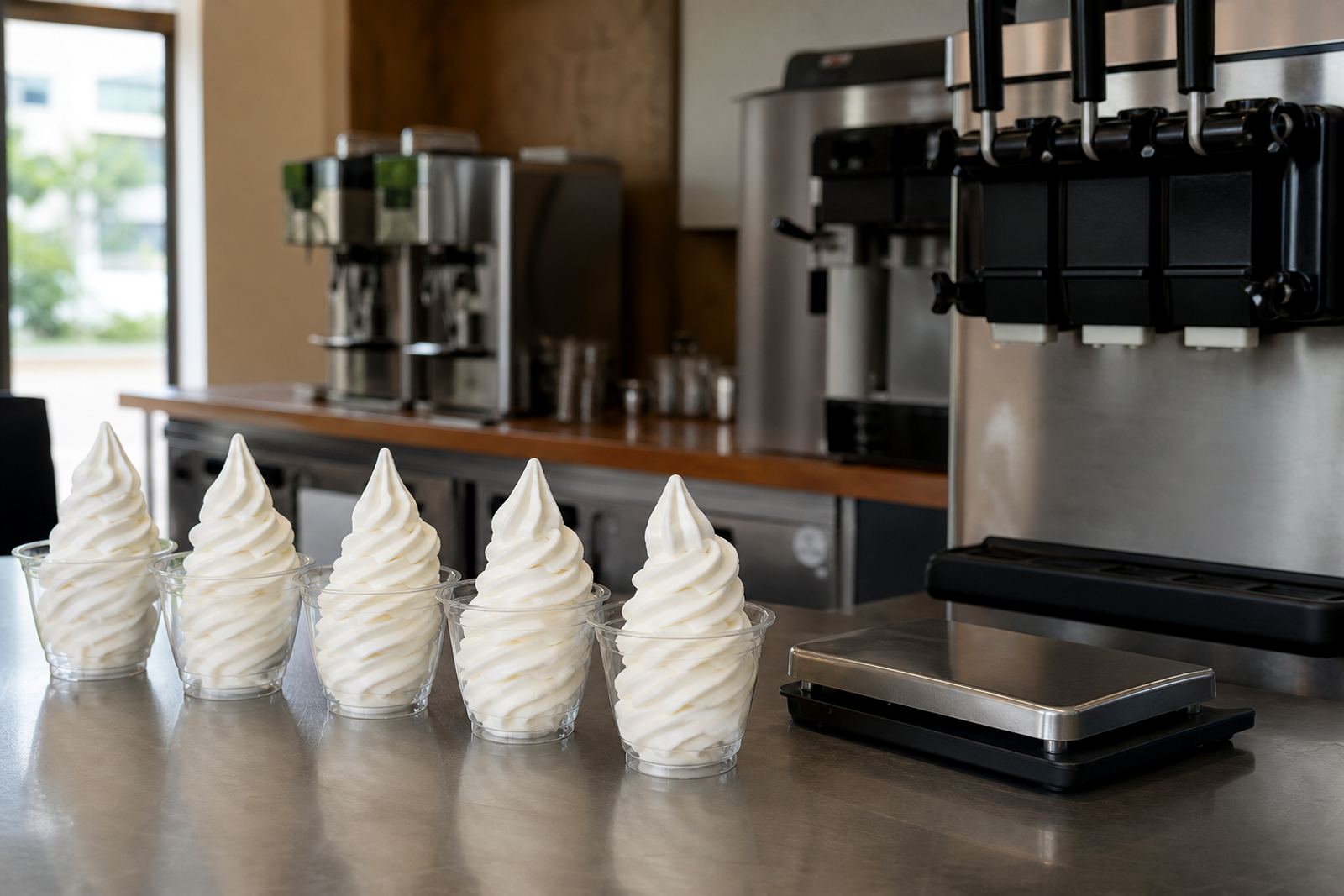
The most profitable frozen dessert counters are the ones that serve the same portion every time. If the machine is set too loosely, operators give away product without noticing. If it is set too tight, customers get poor texture and come back less often. That balance matters whether you trade from a kiosk in Umhlanga or a restaurant in Pretoria.
Startup commissioning and operator training help staff understand the settings, mix flow and daily checks. A well set machine also reduces stress during peak service because the product comes out consistently and the team can move faster. In practical terms, this means fewer refunds, less mess and a better chance of repeat sales. A good machine should be simple to run, but it still needs proper calibration.
- Use the same portion size for dine-in and take-away
- Train staff to spot air leaks, temperature shifts and poor texture
- Keep a log of output on busy and quiet days
- Recheck settings after site relocations or seasonal menu changes
Menus that sell without crowding the counter
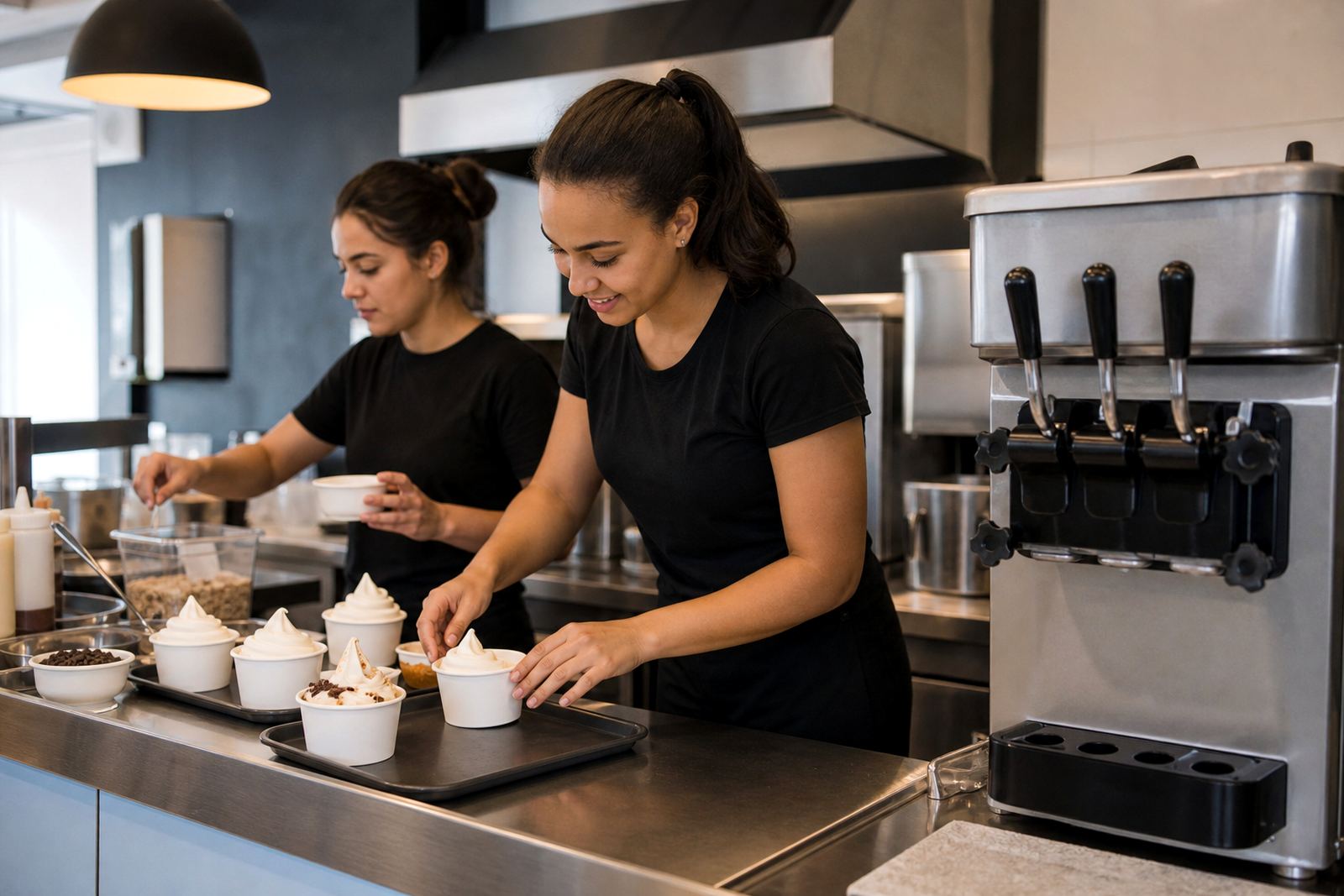
Frozen desserts do best when the menu is simple. Too many choices slow the queue and create stock waste. A cafe in Pietermaritzburg may only need one soft serve option and one frozen yoghurt option, plus a few toppings. A larger site in Cape Town or Gqeberha might carry a wider range, but the profit still depends on how quickly each item moves.
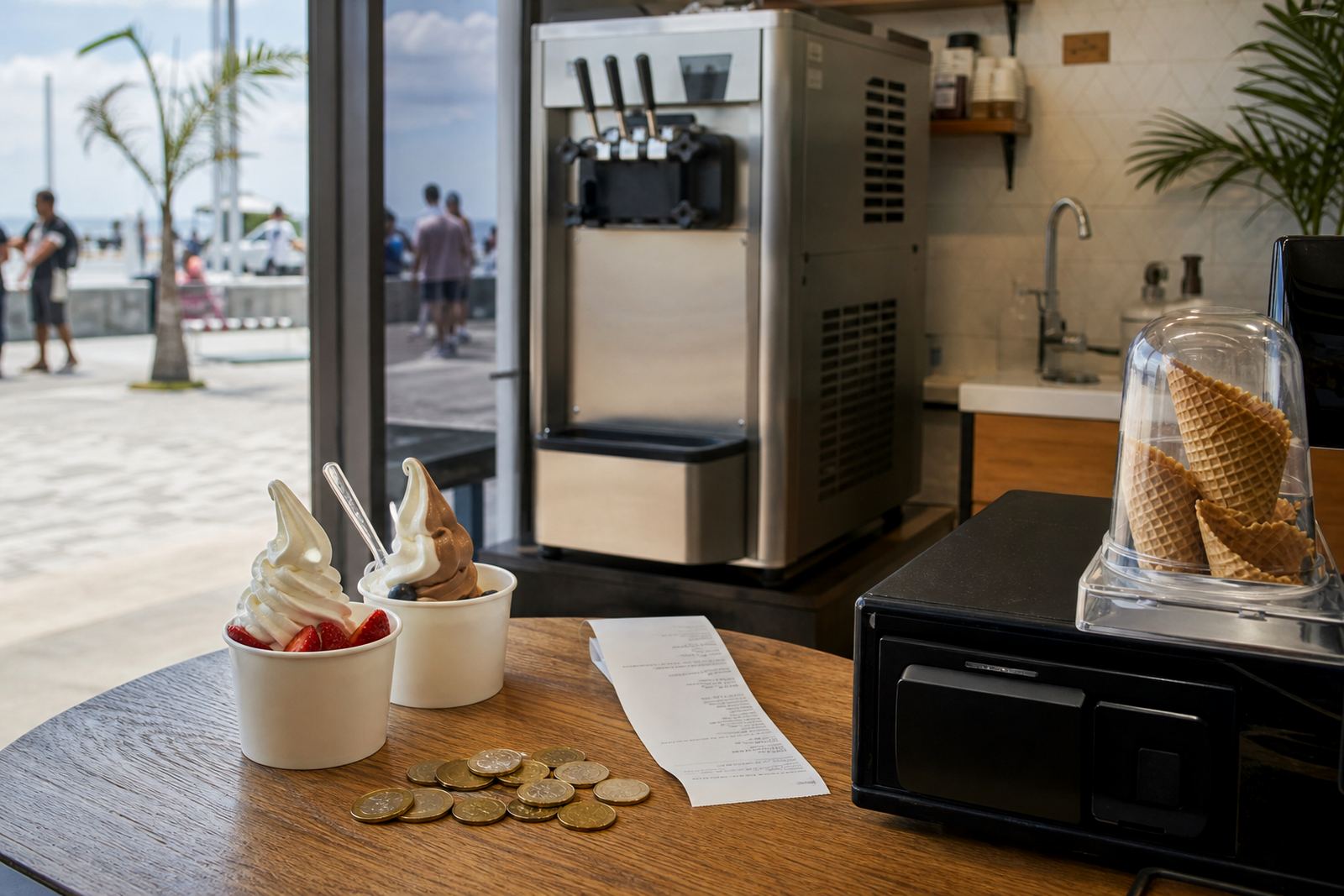
Think in terms of attachment sales. A plain cone is fine, but a combo with sauce, sprinkles or fruit can lift the average ticket without adding much labour. The trick is to keep the upsell easy for staff to explain and easy for customers to choose. Clear pricing on the board helps. So does a menu that can be read in a few seconds at the counter.
- Keep the core offer to a few high moving items
- Use toppings that store well and have a long shelf life
- Set combo pricing that rewards a second item
- Match the menu to your foot traffic, not to every trend
Maintenance costs are part of the profit story
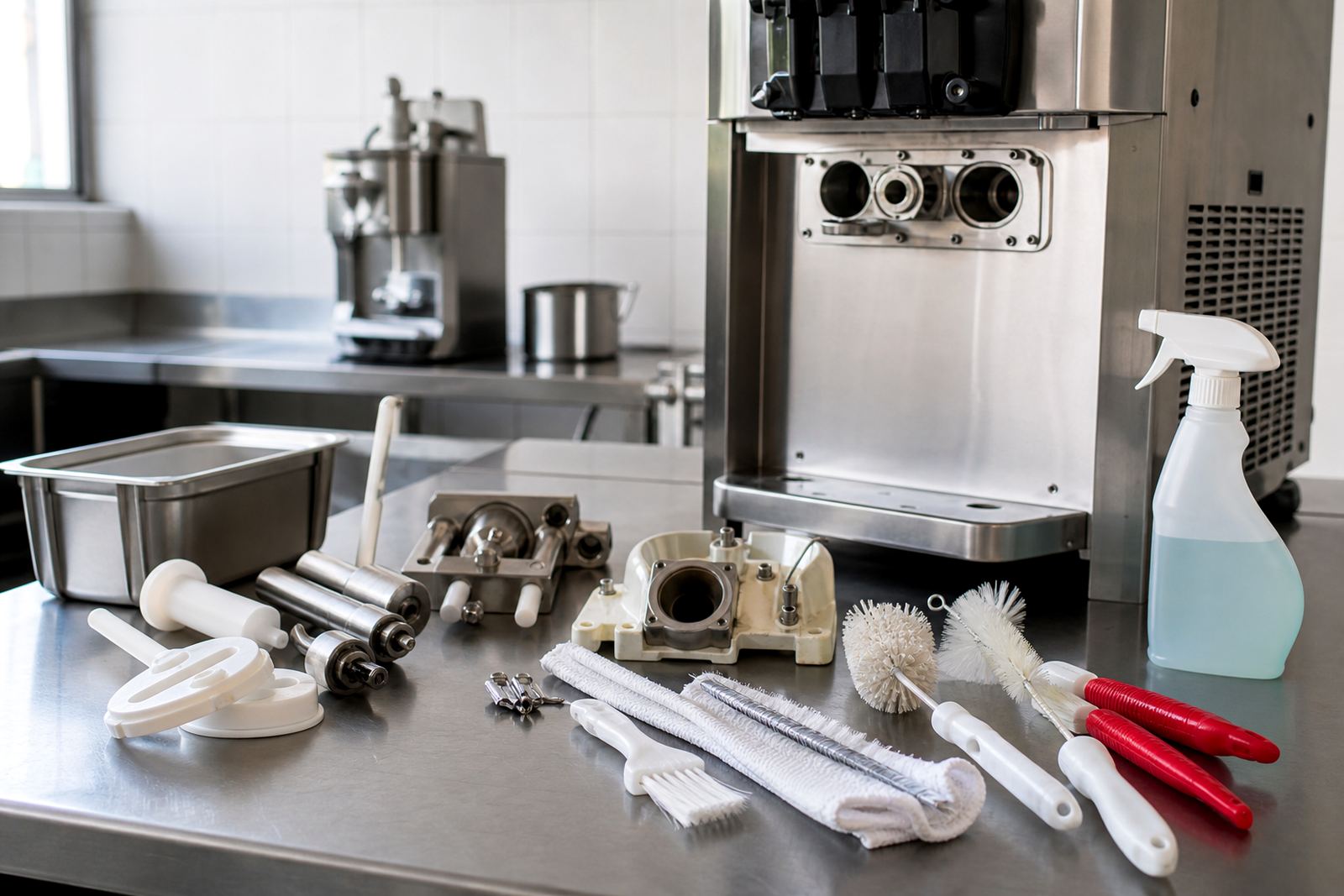
Any machine that runs daily needs care. Preventive maintenance, deep cleaning and seal and parts work protect the product and help avoid surprise breakdowns. In summer trading, a machine failure can wipe out a full weekend of sales. In winter, a small fault may sit unnoticed until the next warm spell, then cause a rush problem at the exact wrong time.
For operators in Durban and other humid coastal areas, cleaning and sanitising matter even more because moisture can affect hygiene and equipment wear. Inland, dust and power interruptions can also affect performance. Plan for service before the busy season starts, not after a fault has already slowed the counter. A clean machine also gives a better finish and keeps customers confident in the product.
- Schedule service before school holidays and summer peaks
- Replace worn seals before they cause leaks
- Do daily clean-downs and end of day sanitising
- Keep spare parts on hand for high use sites
A Durban example: small kiosk, steady trade, sensible margin
Consider a small kiosk in Springfield Park serving office staff, delivery drivers and weekend families. The site may not need a large menu, but it can still build useful turnover with a few steady items. If the team sells a modest number of cones and cups each day, the frozen dessert line becomes a reliable add-on rather than a side project. That is where margin starts to show.
The operator keeps the machine running, tracks cost per serve and uses training to reduce waste. On warmer days, they push simple combos. On cooler days, they still offer take-away tubs and mix in coffee or snack sales. If a site relocation or seasonal change affects trade, the equipment can be moved and recommissioned with proper support instead of being left idle. The lesson is plain: frozen dessert works best when the machine, the people and the pricing all pull in the same direction.
- Use local foot traffic patterns to set daily targets
- Plan for load-shedding with realistic trading hours and backup arrangements
- Adjust stock levels before holidays and long weekends
- Measure profit on actual sales, not just on peak day hopes
What good operators watch every week
The best operators do not wait for a complaint to tell them something is wrong. They watch output, cleaning standards, stock use and machine behaviour every week. That is how a frozen dessert line stays profitable over time. A small shift in mix use or service speed can tell you a lot about training gaps, machine wear or pricing that no longer fits the market.
If you treat soft serve and frozen yoghurt like a proper product line, not a novelty, it can earn its place in cafes, kiosks and restaurants across South Africa. The formula is practical enough: controlled portions, regular maintenance, simple menus and enough sales volume to keep product moving. Done properly, it gives customers a treat and gives the business a useful margin.