
Why small extras make a big difference at the till
Most dessert counters do not need a long menu to trade well. They need a short list of add-ons that fit the same serve speed, use the same cold storage, and still give customers a reason to spend a few Rand more. That is where cones, sauces, toppings and mix-ins come in. They change the ticket value without forcing the team to learn a new process every hour.
In Durban and other coastal towns, humidity and heat can make some products soften quicker than expected, so the best add-ons are those that hold their shape, pack well and stay easy to dispense during a rush. If the line is moving at lunch, staff should be able to serve a standard base with one extra item and keep going.
For cafes, kiosks and restaurants, the goal is simple: keep the offer practical. A good add-on should be visible, fast to use and easy to explain to a customer standing at the counter with a queue behind them.
Cones that turn one serve into a fuller sale
Cones are often the easiest add-on to get right. They cost less to carry than many toppings, they store neatly, and they can lift the perceived value of a soft-serve serve straight away. Many outlets keep more than one style on hand so staff can suggest an upgrade without slowing the transaction.
- Standard cones for everyday service and quick turnover
- Wafer cones for a lighter feel and crisp bite
- Chocolate lined cones for a higher margin option
- Bulk packs that suit kiosks with strong weekend trade
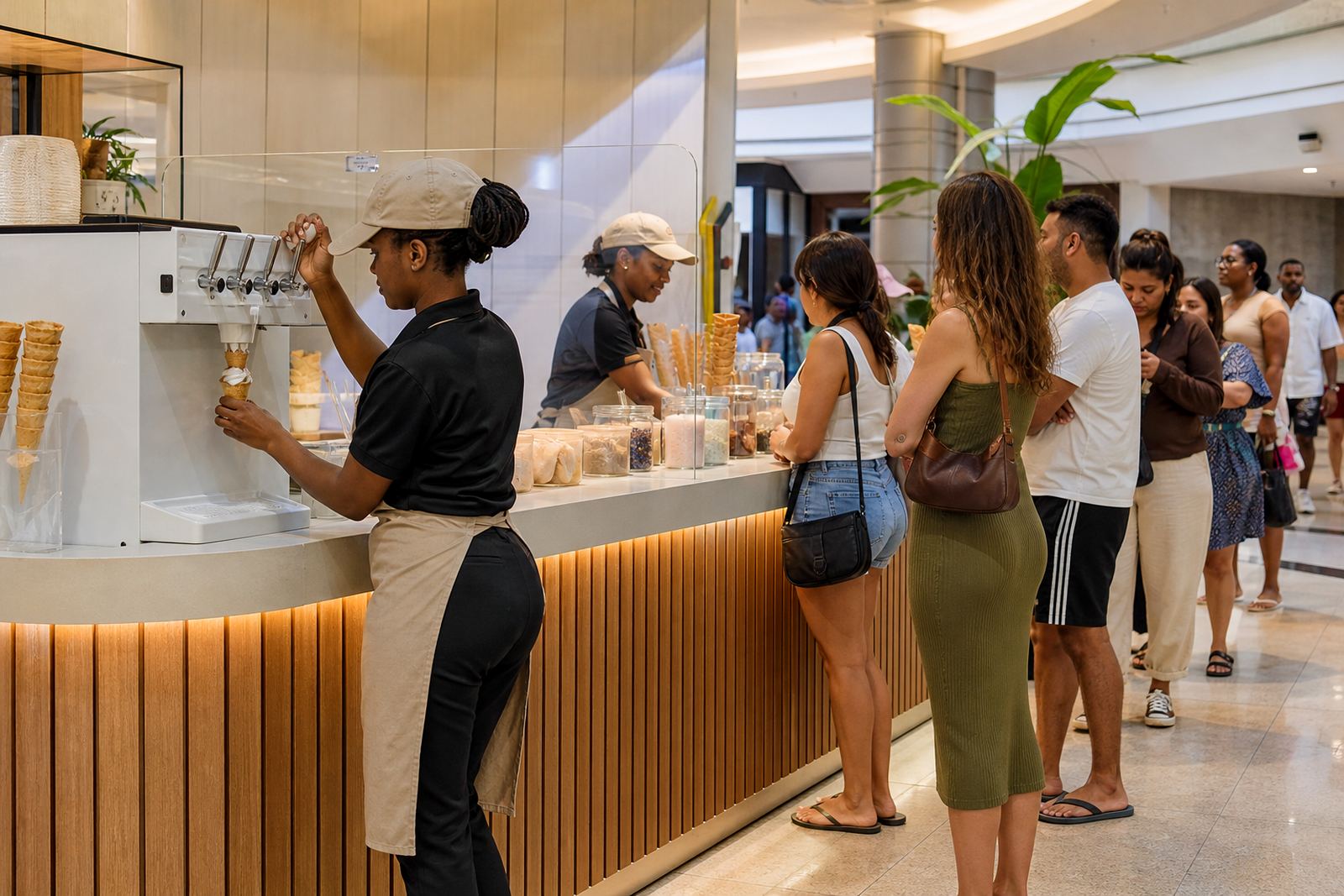
A cone upgrade works especially well where customers are buying for children or taking a dessert to walk around a mall or beachfront. In that case the add-on is not just taste, it is convenience. For a busy Pietermaritzburg café near a school route, or a Durban kiosk near the promenade, a cone option can mean one extra decision that increases the basket without creating extra prep.
Toppings that keep service fast and still feel generous
Toppings are where many operators either make money or make mess. The safest approach is to keep the list short, choose products that portion cleanly, and train staff on a standard scoop or squeeze amount. If the topping takes too long to apply, or melts fast under heat lights, it becomes a service problem.
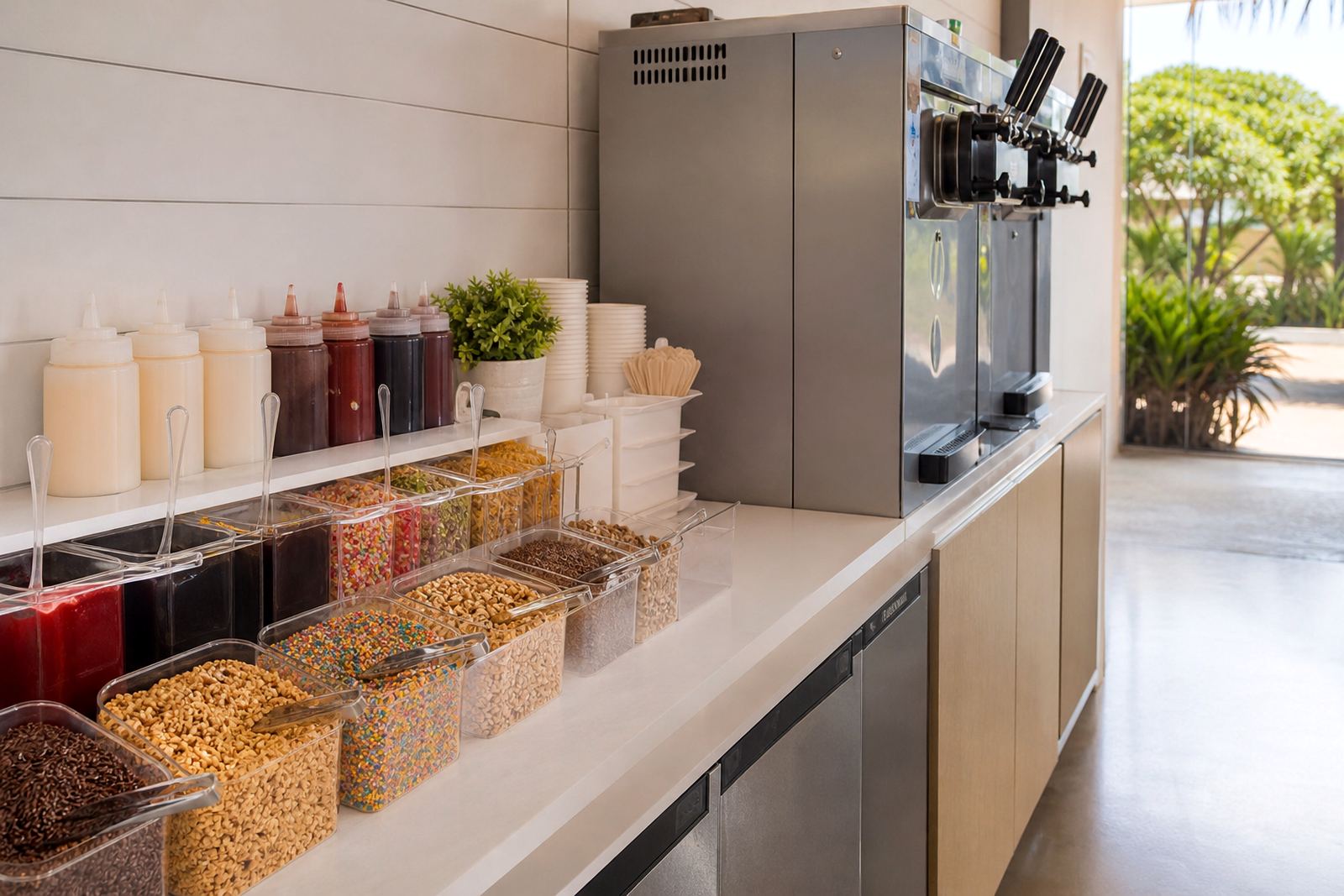
Good topping choices are the ones that can sit near the machine, be reached with one hand, and still look neat on the cup or cone. This matters in stores with one person handling payment and serving at the same time. It also helps in load-shedding periods when the team is working off backup power and needs every step to be simple.
- Sauces that can be drizzled in seconds
- Crunch toppings that add texture without extra prep
- Sprinkles for colour and a familiar finish
- Nut or biscuit style toppings for a more premium serve
In Gqeberha and Cape Town, where some outlets see strong tourist traffic, toppings also help create a more photogenic product. That is useful, but the real test is still speed. If it takes longer than twenty seconds to finish the cup, the add-on is probably too complicated for the counter.
Mixes that let you build a better dessert menu from one base
Mixes are where many cafes and kiosks can expand their menu without bringing in a full pastry line. A strong soft-serve or frozen yoghurt base can be paired with different mixes to create variety across the week. The kitchen does not need more equipment, only a clear system for stock rotation and portion control.
That matters for smaller businesses in places like Springfield Park or Umhlanga where storage space is tight. It also matters for larger outlets in Johannesburg or Pretoria that need consistency across multiple shifts. The right mix should blend well, hold flavour, and stay predictable from one batch to the next. Customers notice if one serve is rich and the next one tastes thin.
When your base is consistent, add-ons become easier to sell. Staff can say something simple like, “Would you like a cone or topping with that?” and customers understand immediately. That kind of script works better than a long explanation and it keeps the queue moving.
Seasonal specials that do not overload the counter
Seasonal add-ons can lift trade, but only if they are built around what the team can actually handle. A summer menu should support high volume and quick turnaround. A winter menu can lean into richer toppings and thicker serves, but still needs to fit the same machine routine and cleaning schedule.
One useful approach is to run just two or three limited options at a time. That keeps ordering simple, reduces waste and makes stock levels easier to track. It also helps when municipal trading hours or event times change and you need to pivot quickly.
- December beach trade: cones, fruit style toppings and quick serves
- School holiday trade: child sized portions with one paid add-on
- Winter trade: richer sauces and premium finishes
- Weekend events: simple bundles that a temporary staff member can learn fast
For a coastal store in Durban, a seasonal list should also think about heat, power stability and storage capacity. If the freezer is already full, the add-on plan should not rely on too many separate ingredients. Fewer items done well usually outsell a long list that nobody remembers.
How to train staff to suggest add-ons without sounding pushy
The best add-on sales come from calm, consistent prompts. Staff should know exactly when to offer the extra item, what to say, and which combinations are most popular. If the suggestion is made after payment or after the cup has been handed over, the chance is often lost.
Keep the training practical. Show the team which toppings pair with which base, how much to use, and how to keep the counter clean between serves. A simple system is better than a complicated script. In fact a short phrase repeated every day usually works better than a long sales pitch.
- Offer the add-on before the final payment is taken
- Use one or two favourite combinations for easy upselling
- Keep portion tools within reach
- Make sure every shift follows the same serving method
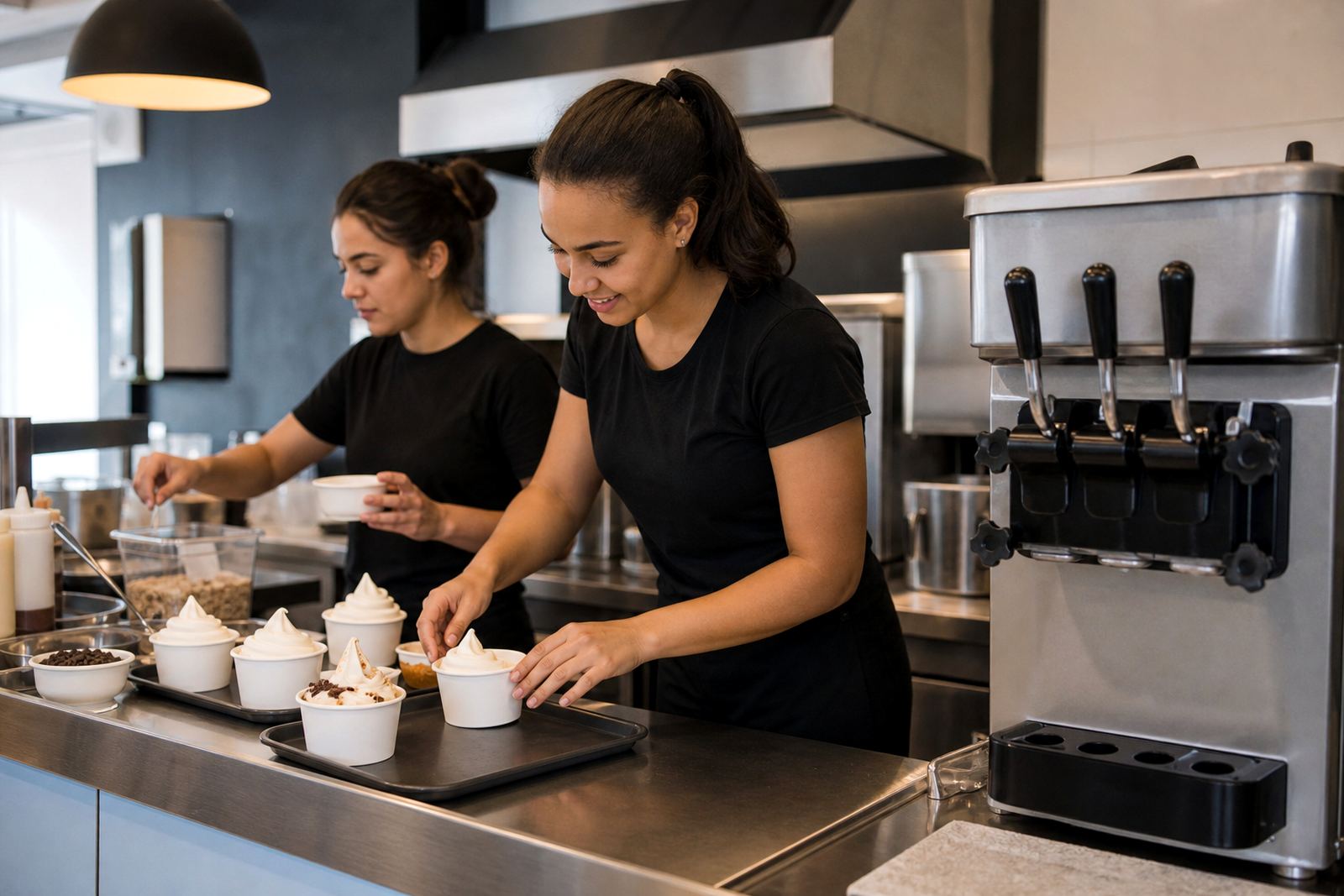
This is also where reliable machine setup matters. If the soft-serve or frozen yoghurt machine is stable, the staff can focus on the customer instead of worrying about product flow or unexpected stops. A clean, well maintained machine makes add-ons easier to serve and reduces wasted product.
A Durban example that shows the margin without the fuss
Take a small kiosk in Springfield Park serving workers at lunch and families on Saturdays. The base offer is one standard serve, but the team adds a cone upgrade, two topping choices and one premium sauce. Nothing else. The menu stays short, the stock is easy to manage, and the upsell is simple enough for a part-time employee to handle after one training session.
On a busy day, even a modest add-on conversion can improve the average ticket noticeably. If only a portion of customers choose a cone or topping, the extra Rand add up across a week. The key is that the service does not slow down. Customers still get a quick serve, the queue keeps moving, and the business keeps the order flow clean.
That is the real value of dessert add-ons. They should make the offer look better, taste better and earn better, without turning every order into a special request. When the setup is right, the counter stays simple and the menu still feels fresh.