
Friday afternoon starts the weekend pattern early
Friday trade in a mall kiosk often looks more like Saturday than Wednesday. Foot traffic rises after lunch as people finish work early, collect children or do last-minute shopping. In malls near office nodes, Friday can be one of the strongest trading days for dessert kiosks because shoppers are more relaxed and willing to buy a treat on impulse.
This is where mix levels, cone stock and machine output need to be checked before the rush. If your soft-serve machine is down to the last portion at 17:00, you risk turning away the very customers who are ready to spend. A good operator watches the queue pattern from mid-afternoon and tops up early rather than waiting for the machine to run low.
- Increase prep before 14:00 on Fridays
- Keep spare cones close to the counter
- Check stock for toppings, serviettes and cup lids before the rush
Saturday trade is about volume and speed
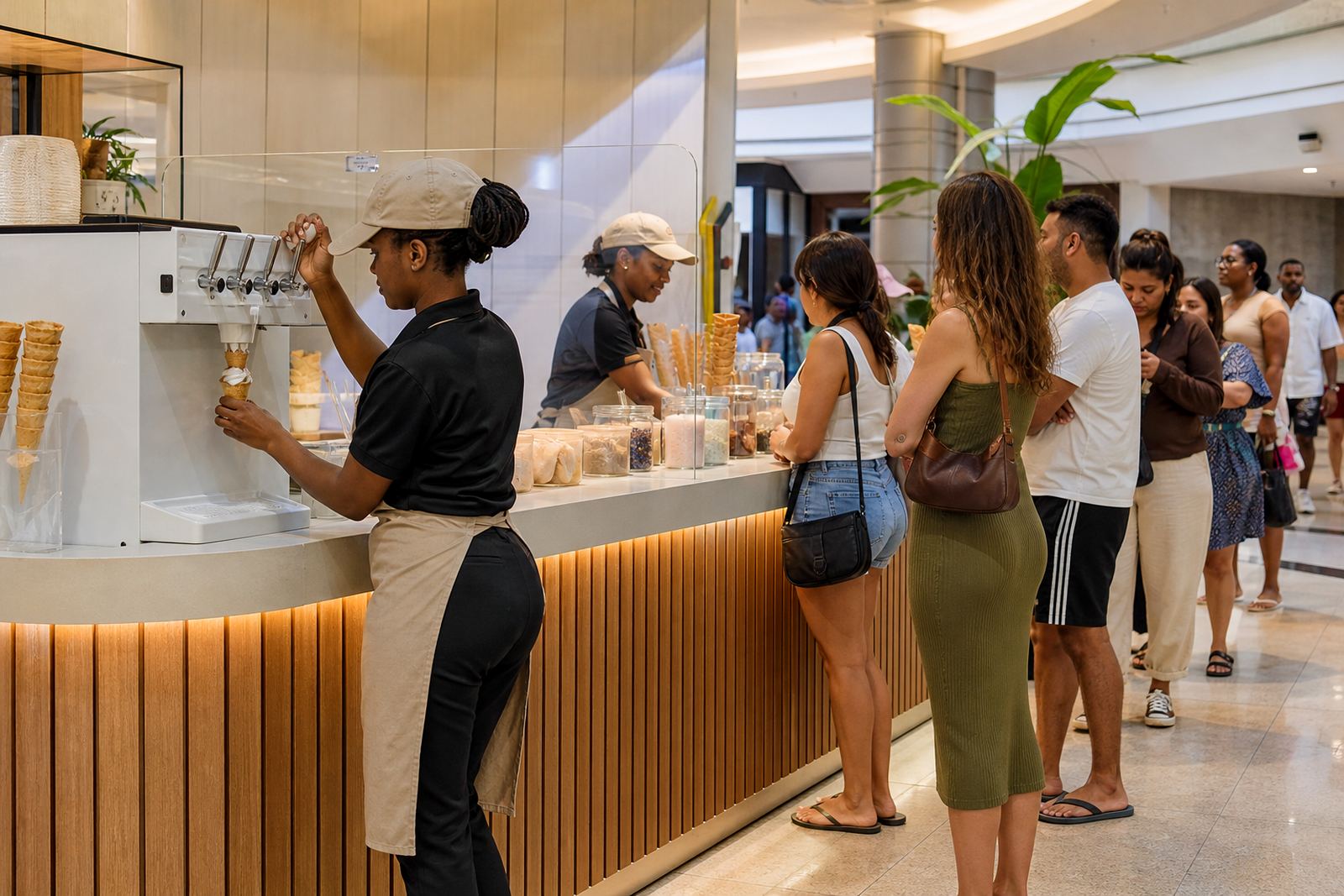
Saturday is usually the biggest trading day for mall kiosks. Families arrive in groups, teenagers spend longer in the mall and shoppers are more open to small impulse purchases. A frozen yoghurt or soft-serve kiosk can do strong numbers in a few hours if the queue moves quickly and the product looks fresh.
The problem on Saturdays is not demand, it is pace. If the machine is not maintained properly, the mix can become inconsistent, the product can soften too much, or the nozzle may block. That slows service and creates waste. In hot Durban weather, this becomes even more important because customers want a colder, firmer product and will notice if the texture is off.
Operators should treat Saturday as a full service day, not a casual one. Staff need simple scripts, clear price boards and a plan for handling queues. When the kiosk is inside a centre with heavy weekend family traffic, a small delay can ripple through the whole line.
Sunday trade depends on the mall and the suburb
Sunday patterns vary more than any other day. Some centres near family suburbs have good lunch and late-afternoon traffic, while others are quiet until church services end or people stop in after sport. In smaller towns, Sunday may only work for a few hours. In busier metros like Johannesburg, Pretoria and Cape Town, the mall can stay active for longer.
This is why kiosk operators should not copy one trading plan across every site. A Durban centre near Springfield Park may see a very different Sunday mix from a high-end mall in Pretoria or a family centre in Gqeberha. Watch the foot traffic, count the queues and note the times when parents are most likely to buy for children.
- Track Sunday sales by the hour for at least four weeks
- Adjust staffing around actual traffic not guesses
- Use quieter windows for cleaning and restocking
The machine and product must match the crowd
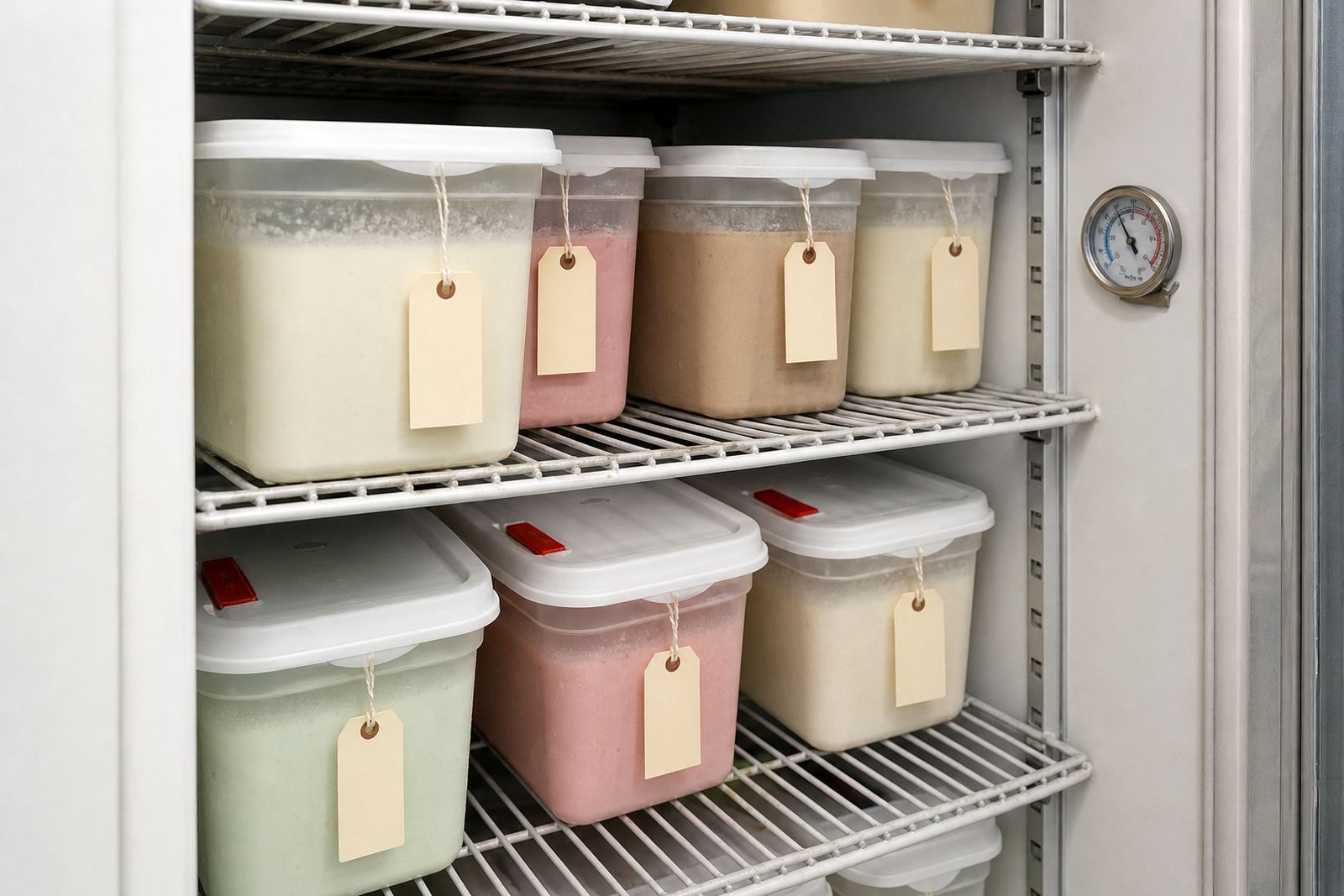
Different trading patterns call for different operating habits. A kiosk that sells a few cones a day still needs reliable start-up and cleaning, but a busier site must also plan for continuous output and more frequent checks. If you serve milk-based product, temperature control and mix consistency matter all day, especially in coastal areas where humidity can affect storage and handling.
Load-shedding adds another layer. If power interruptions are common in your area, keep your machine routine tight and make sure staff know what to do when electricity returns. Re-starting too quickly after a cut can affect product quality, and poor hygiene during downtime can create avoidable losses. That is why preventive maintenance and operator training are not extras, they are part of daily trade.
For kiosks in busy malls, the safest approach is to build the machine schedule around trading peaks. Start early, keep spare consumables nearby and do not leave servicing until the unit has already slowed down.
A Durban kiosk example shows the pattern clearly
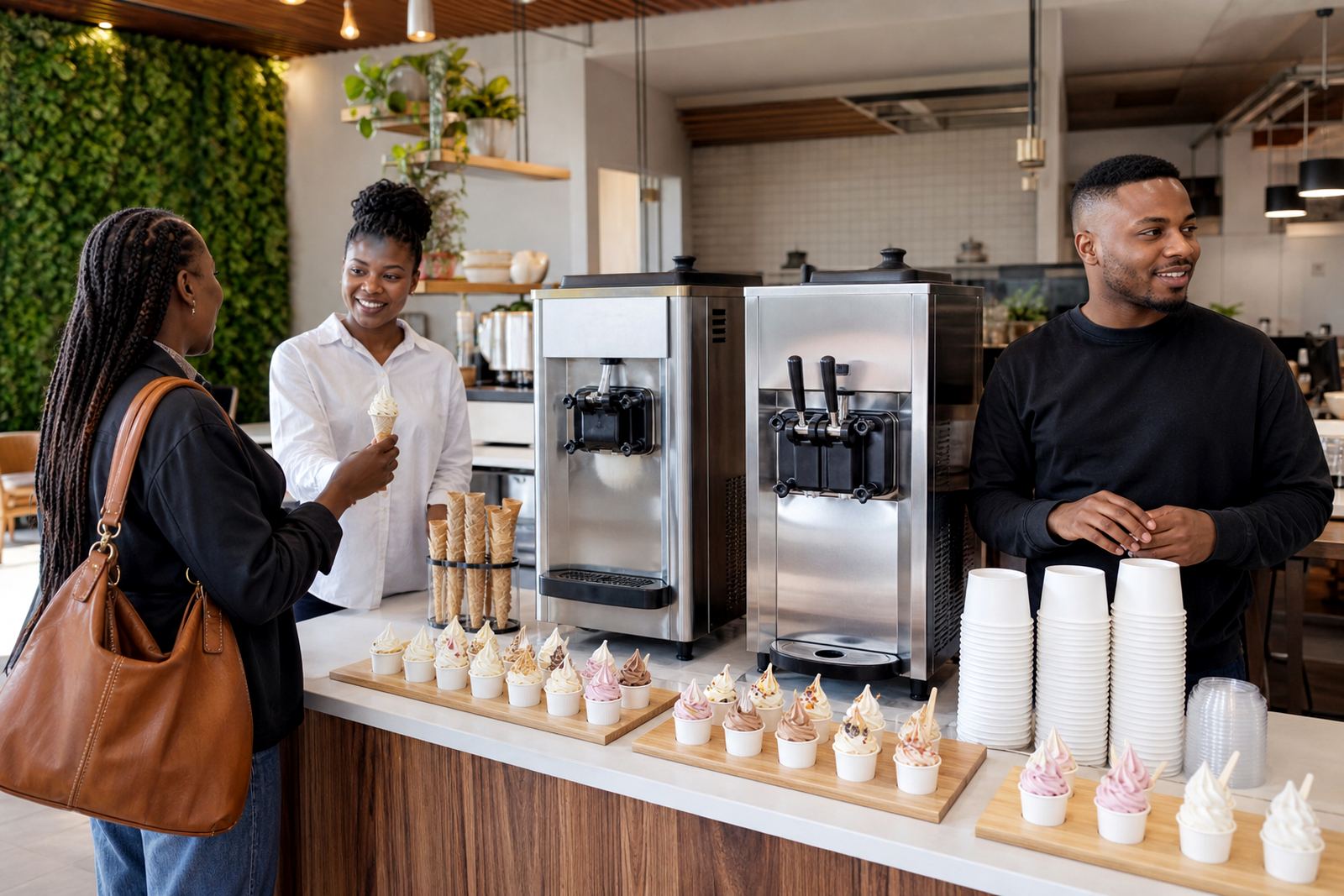
Take a small dessert kiosk in Springfield Park, Durban. During the week, the busiest period may come from lunchtime into the early evening, with soft-serve sales picking up when shoppers arrive after work. On Saturday, the same kiosk can move from a slow start to back-to-back orders by mid-morning. By Sunday afternoon, sales may depend on whether the centre has family traffic or a quieter crowd.
The operator who wins in that environment is not the one with the flashiest menu. It is the one who watches trading behaviour, tops up stock before the rush and keeps the machine running cleanly. In a coastal city, the same kiosk also has to deal with heat, humidity and a steady stream of hands on the counter, so sanitising and deep cleaning matter just as much as flavour choice.
When a kiosk tracks these patterns properly, staffing becomes easier, waste drops and customers get faster service. That is how a small dessert point can trade like a much bigger operation.
What to prepare before the busy hours hit
Good planning turns uneven foot traffic into manageable shifts. Before the busiest hours, the operator should check product levels, cone stock, cleaning supplies and machine condition. If you run multiple sites across Durban, Johannesburg, Pretoria, Cape Town or Gqeberha, the same rule applies: the best results come from preparation, not reaction.
- Run a quick start-up check before the first rush
- Confirm mix calibration and product texture daily
- Keep a simple breakdown plan for busy trading days
- Schedule deep cleaning before the weekend if possible
- Use preventive maintenance to reduce surprise stoppages
If the trading pattern shifts from one mall to another, adjust with it. A kiosk in Umhlanga may see different after-school traffic from one in Pietermaritzburg, and a site near a cinema or food court can peak much later in the evening. The operator who reads the flow early usually serves more customers and loses less stock.