

Start with a full portion cost, not just the mix
If you are pricing frozen treats for a cafe, kiosk or restaurant, begin with the real cost per serving. That means the mix, the cone or cup, the topping, the garnish and the small waste that happens during service. Too many operators look only at the mix cost and end up underpricing the full product.
Work out your cost per 100 ml or per standard serve, then add the packaging and finishing items. A simple portion sheet helps staff keep the same serve size every time, which matters when you are serving school traffic in the afternoon or a lunch rush in the CBD. If one scoop becomes one and a half scoops on a quiet shift, your margin disappears fast.
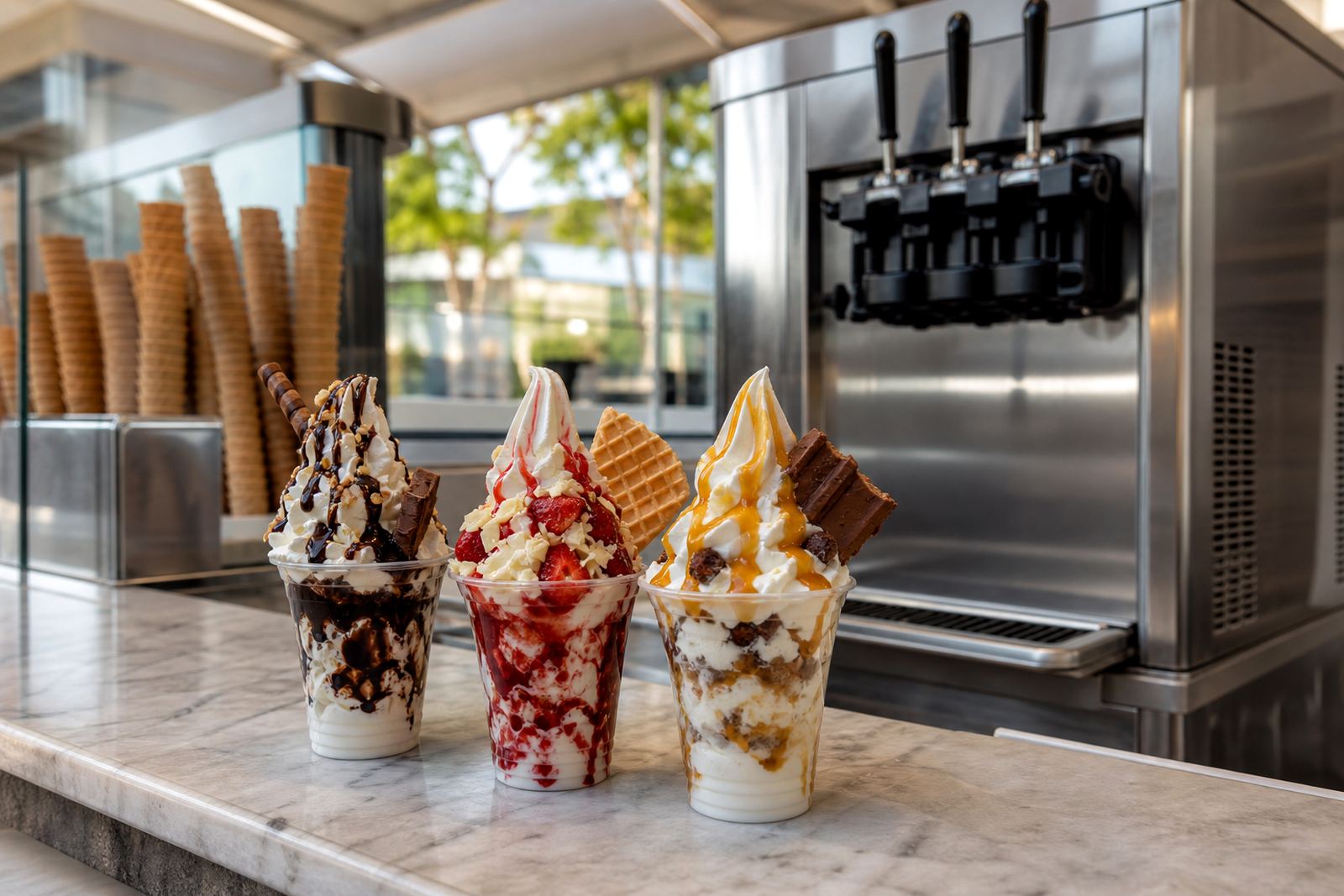
For soft-serve, measure the serving size in grams or millilitres and make sure the same cup or cone is used every time. That keeps the pricing fair and predictable. It also makes it easier to compare plain vanilla soft serve against frozen yoghurt, which often carries a higher mix cost and sometimes needs more careful handling in warm coastal conditions.
Build a price ladder for plain, topped and premium serves
Customers like choice, and a good price ladder gives them that choice without confusing your till. Set one price for the base serve, then add clear prices for toppings and premium extras. This works well in Springfield Park, Umhlanga and Pietermaritzburg where foot traffic and spending patterns can differ from one site to the next.
- Base cone or cup: your entry price for plain soft-serve or frozen yoghurt
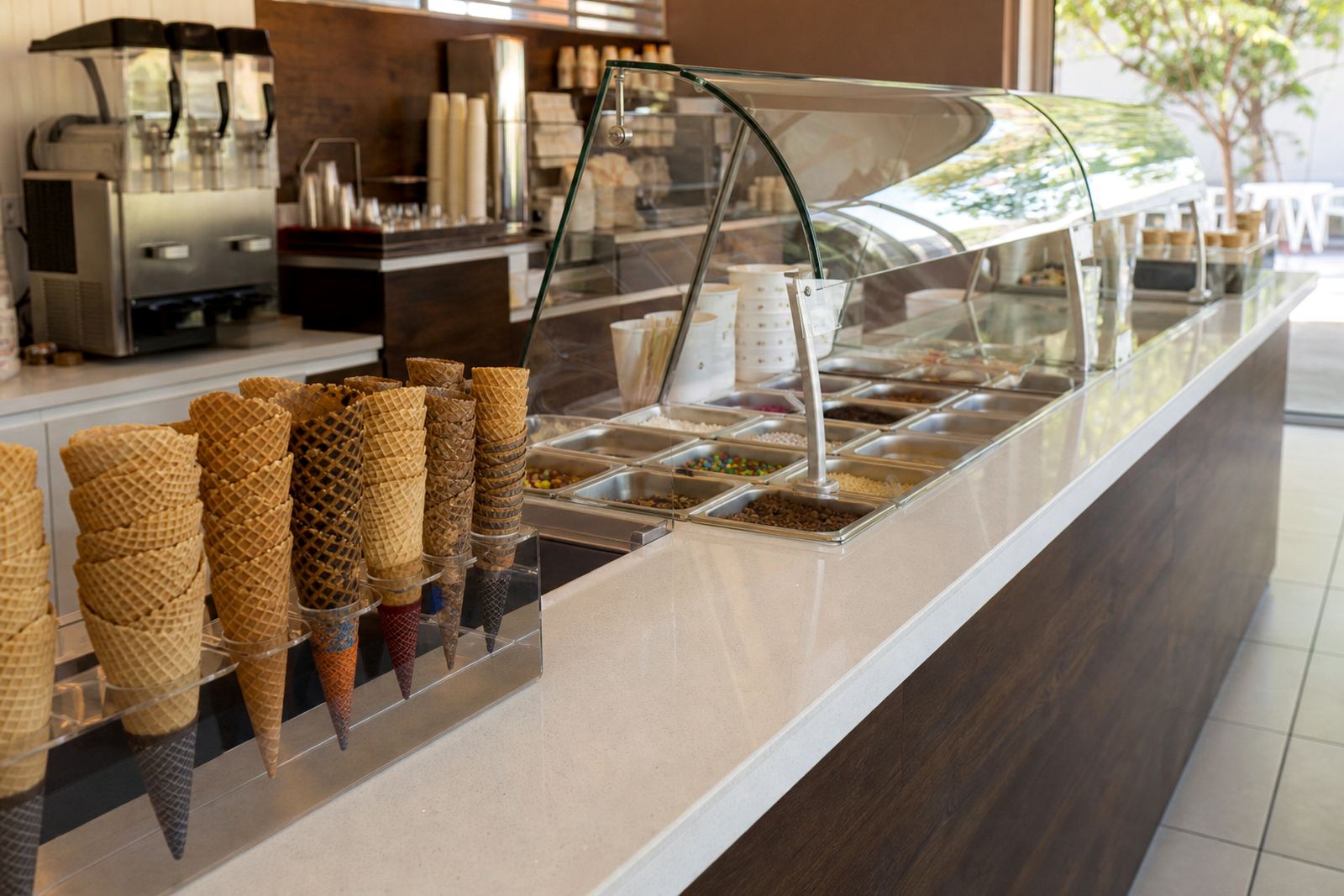
- One topping: a small add-on for sprinkles, nuts, fruit or sauce
- Two toppings: a bundled price that is slightly better value
- Premium serve: a larger portion, special cone or extra-dense topping combination
This kind of menu makes upselling natural. A customer can see that adding a topping only costs a little more, while you still keep a healthy margin on the extra items. It is easier for staff too, because the till structure is simple and there is less chance of a price dispute at the counter.
Use combo offers to lift your average sale
Combo pricing is useful when you want to increase the average Rand value per customer. A dessert on its own may attract a small ticket, but pairing it with a drink, pastry or snack can turn a light purchase into a proper sale. This is especially handy near office parks, schools and family areas where customers want something quick and affordable.
Keep the combo relevant. A frozen yoghurt and iced tea pairing makes sense. So does a kiddies cup with a small biscuit pack. A heavy combo with too many items can slow service and create waste, especially if your team is working through load-shedding or a busy weekend market. The best combo is the one that can be made fast and sold repeatably.
- Offer a lunch combo for weekday trade
- Create a family combo for weekend and holiday traffic
- Use a smaller kids combo at a lower price point
- Bundle slow-moving toppings into a featured special
Price for the suburb, not just the product
A frozen dessert sold in Cape Town city centre may need a different price from the same cup sold in a neighbourhood kiosk in Durban. Rent, foot traffic, staffing, delivery costs and competition all affect what the market will carry. That does not mean guessing. It means setting a pricing structure that suits the area and your daily volumes.
Coastal humidity can also affect service and stock handling. If your product softens too quickly or your toppings need better chilled storage, your wastage rises and that cost must be recovered in the selling price. Inland, the challenge may be more about long operating hours and heavier lunchtime demand. In both cases, the same menu item can produce a very different margin.
A local example: a kiosk in Durban near a busy family promenade may sell a plain cup at one price, then add a small premium for fruit and sauce. A restaurant in Pretoria might price higher because the dessert is part of a seated dining experience with table service. The product is similar, but the service model and overheads are not.
Protect margin with portion control and staff training
The fastest way to lose money on frozen products is inconsistent serving. If staff are not trained on portion size, topping levels and cone fill, your pricing plan will drift. One person may give a neat, controlled serve while another gives away extra volume without noticing. Over a month, that adds up.
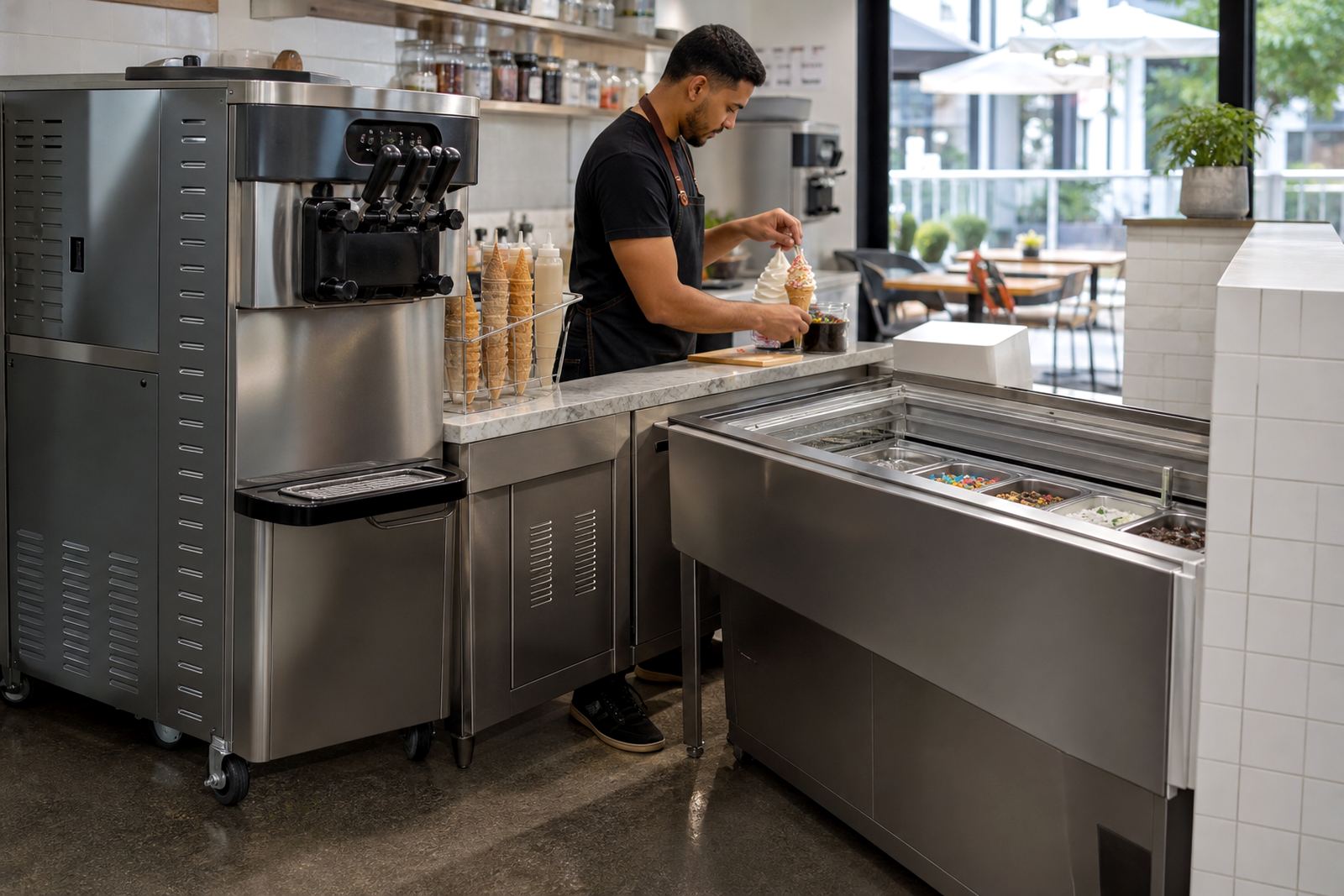
Training should cover more than how to use the machine. Staff need to know how to keep the serve consistent, how to handle the mix, how to clean up drips and how to store cones and toppings properly. A clean, simple process helps especially during peak periods when the queue is building and the pressure is on.
- Use a standard scoop or dispenser where possible
- Keep topping portions in measured containers
- Record waste at the end of each shift
- Review selling prices after ingredient increases
When your team understands the pricing logic, they are more likely to sell the menu correctly and less likely to discount too quickly.
Adjust prices when costs move or the machine works harder
Frozen ranges are affected by more than milk and sugar prices. Power interruptions, maintenance, breakdowns and cleaning cycles all have a cost. If a machine needs longer run times or extra attention because of weather or heavy trade, your pricing should reflect that reality. A low selling price with high operating strain can leave you working for very little.
It helps to review prices every season. Before school holidays, summer weekends or event periods, check whether your portions, toppings and combos still make sense. If you are offering season prep checks, deep cleans or mix calibration, your equipment will also be in better shape to hold service quality when trade picks up.
Do not wait until margins are squeezed to make a change. A small Rand increase on a few key items is often easier for customers to accept than a sudden jump after months of underpricing. Keep it clear and steady, and your regulars will adjust.
Keep the menu easy to read and easy to sell
A good frozen dessert menu should be short, clear and practical. If customers have to study a long list of sizes and toppings, service slows down and staff make more mistakes. Focus on the items that sell well, price them properly and make the add-ons obvious. Simplicity helps at the counter and on the till.
Test your pricing against real trade. Watch which items move fastest, which combinations are most popular and which serves leave the best margin after ingredients, packaging and labour. Then refine the menu. Pricing is not a once-off exercise, it is part of day to day trading.
When you get it right, the frozen range becomes a strong part of the business. Customers know what to expect, staff can serve quickly, and the numbers hold up through the busy months and the quieter ones too.