

Why Durban leans toward lighter frozen treats
Durban has its own pace, and dessert buying follows the weather. When the temperature climbs and the air gets sticky, customers tend to choose something cold that is not too heavy after a meal. That is why soft-serve and frozen yoghurt keep doing well in cafes, kiosks and restaurants from Springfield Park to Umhlanga and down the coast.
There is also a clear preference for treats that feel familiar but still a bit special. A plain cone still works, but sales often move faster when the offer includes fruit, a drizzle, or a choice of toppings. People here like options they can understand quickly at the counter, especially when the queue is moving and families are ordering together. In Durban, if the menu looks too complicated, sales slow down fast.
- Keep a few core flavours that always sell
- Add one seasonal fruit option for variety
- Make portion sizes clear so customers know what they are getting
- Use visible menu boards for quick ordering
Flavours that suit the coast and the local palate
Local taste is practical. Customers often choose flavours that feel clean, sweet and easy to pair with toppings. Vanilla remains a strong base because it goes with fruit, chocolate and biscuit crumbs, while yoghurt-style products suit people looking for something a bit lighter after lunch or a beach day. Fruit-led flavours also do well when they are fresh-tasting and not overly sweet.
For Durban menus, the strongest approach is usually a short list rather than a long one. A kiosk in Pietermaritzburg may rotate flavours less often than a beachfront stand, but the same principle applies: keep the favourites running and only test one new option at a time. That makes stock control simpler and helps staff learn what actually sells instead of guessing.
- Vanilla for broad appeal and topping combinations
- Chocolate for children and dessert lovers after supper
- Strawberry or berry-style flavours for a brighter menu
- Plain or fruit yoghurt for customers wanting a lighter option
How Durban operators are using toppings to lift margins
Many of the best-performing dessert counters in Durban are not relying on the base product alone. They are using toppings to increase basket value without making service too slow. A small extra charge for a cone upgrade, fruit cup, sauce or crumble can improve margins while giving customers the feeling of choice. It also helps when the toppings are easy to portion and store.
This is where the menu can be tailored for the season. In summer, fresh fruit and bright sauces move quickly. In cooler months, chocolate, caramel and biscuit-style toppings hold their own. A practical operator keeps enough stock for the day but avoids overbuying perishables, especially where power interruptions or busy weekend trade can affect storage. If a freezer has been opened all day, a tidy topping line and a sensible prep routine make a big difference.
- Charge separately for extra toppings where suitable
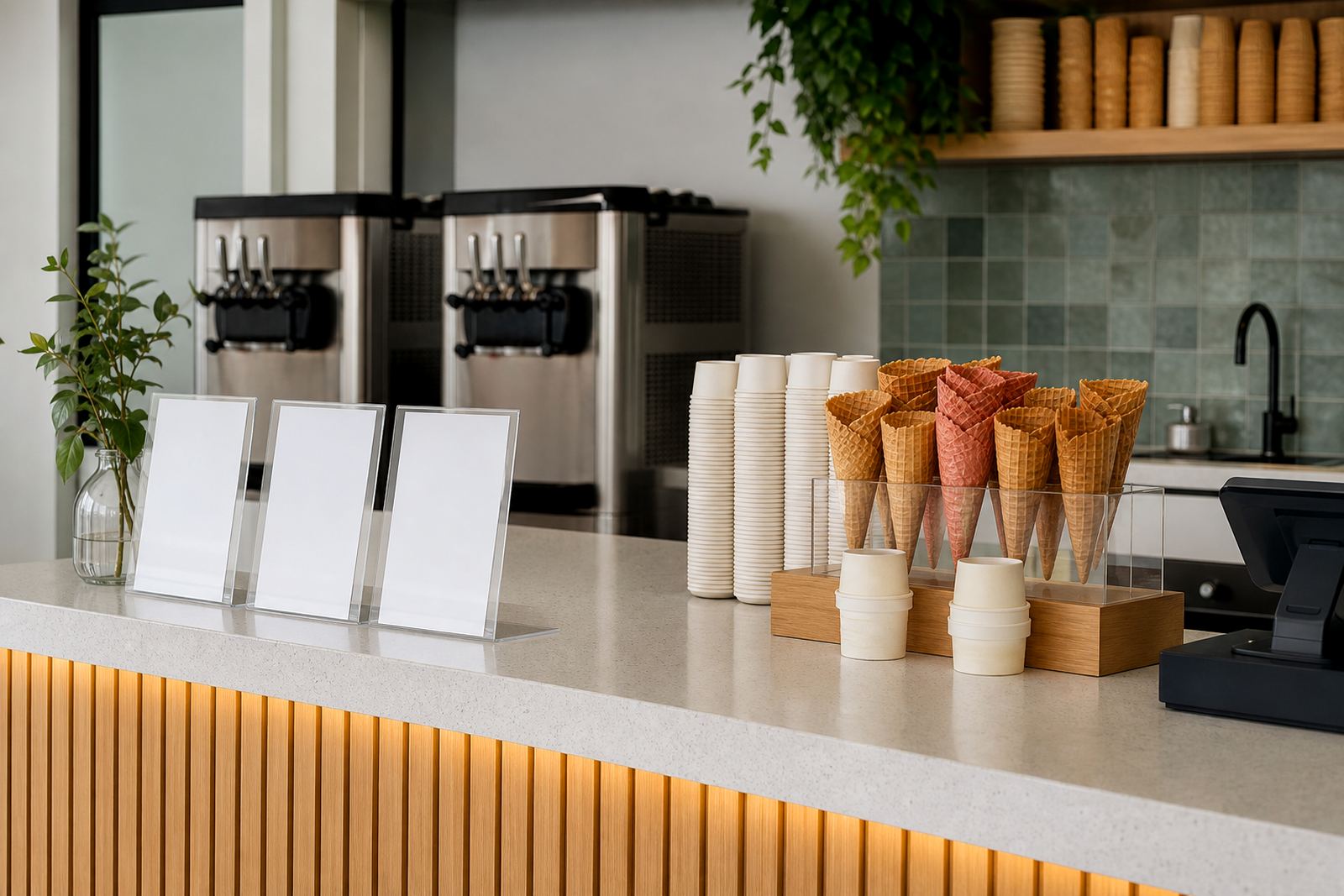
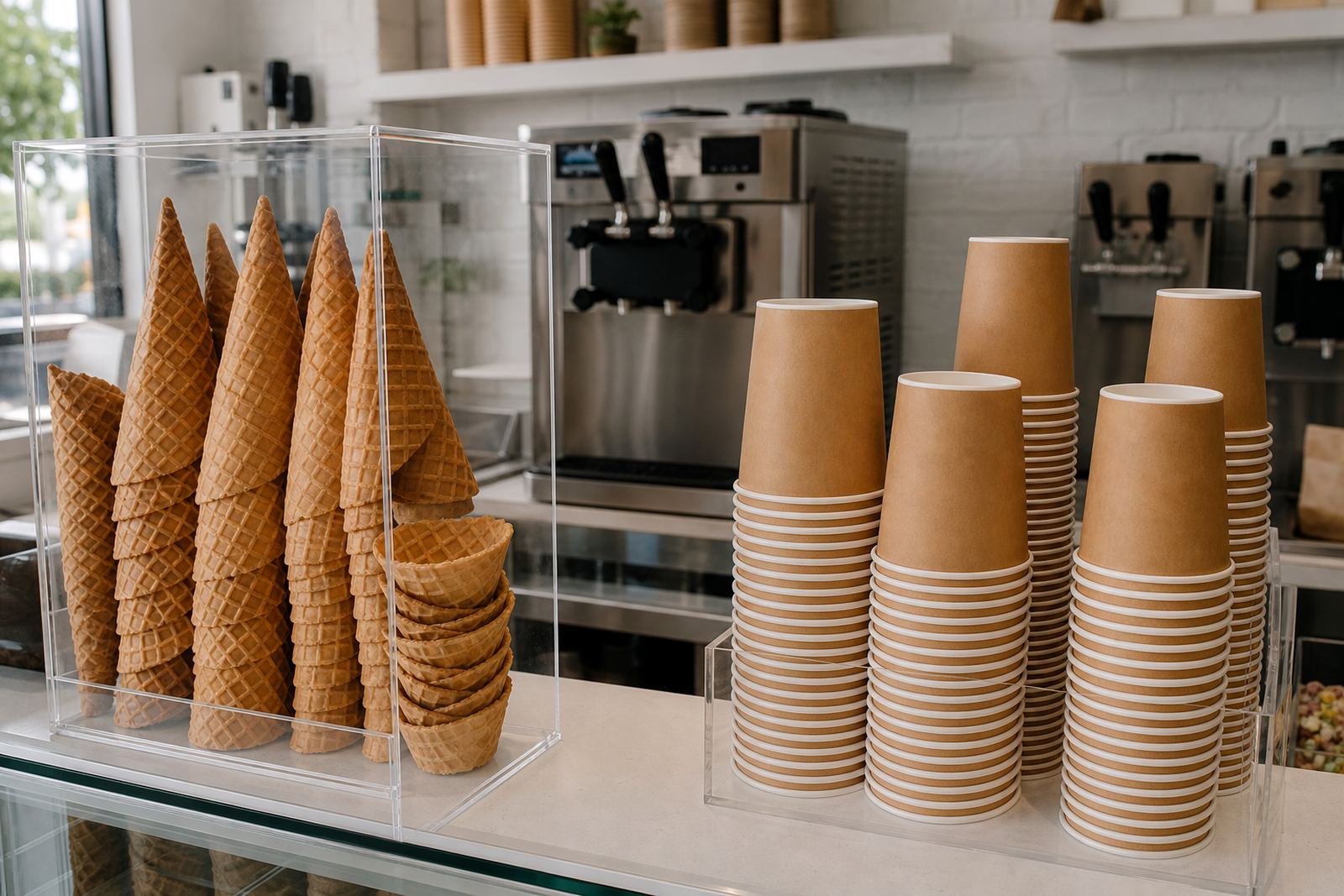
- Keep toppings in clear containers for speed and visual appeal
- Use a simple two or three-step upsell script for staff
- Check stock daily to cut waste and spoilage
What equipment needs to handle in Durban weather
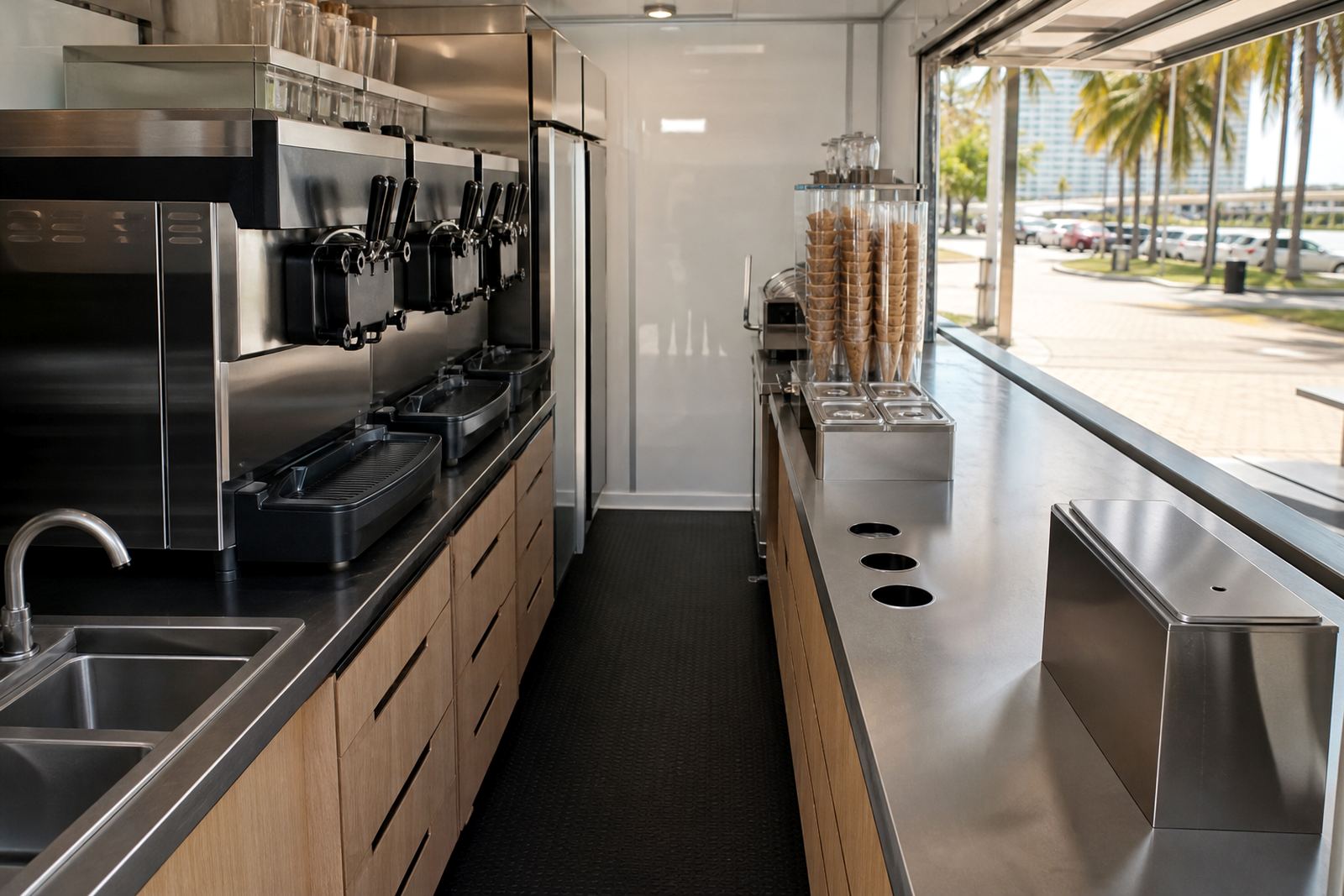
Durban humidity puts extra pressure on frozen dessert equipment. Machines must hold temperature properly, recover quickly between serves and stay easy to clean. If a unit struggles in the afternoon rush, queues build and staff start working around the machine instead of with it. That is bad for sales and rough on the team.
Operators in coastal areas also need to think about salt air, ventilation and regular servicing. A machine sitting near a prep hatch or open doorway may need more attention than one in a protected kitchen. Preventive maintenance matters because a small issue like worn seals or a blocked airflow path can turn into breakdown repairs during peak trading. For small shops, that can mean a lost day, and nobody wants that on a Saturday.
Across Durban, Johannesburg and Cape Town, the best setups are usually the ones matched properly to daily demand. Too small and the machine cannot keep up. Too large and it ties up cash and space. A reliable supplier should help you balance output, footprint and cleaning time so the machine suits your site rather than forcing the site to fit the machine.
Menu ideas for cafes, kiosks and restaurants
The strongest dessert menus are often the simplest ones. Customers want to read the board, pick something fast and know it will taste the same every time. For cafes and kiosks, that means a tight range of products with a clear price ladder. Restaurants can go one step further and use frozen yoghurt or soft-serve as a plated dessert base after lunch or dinner.
Here is a practical menu structure that works well in busy trading conditions:
- Classic cone with one flavour and one topping
- Double serve cup for family buyers
- Frozen yoghurt cup with fruit and a light sauce
- Seasonal special using a rotating topping or fruit
- Kids portion for smaller appetites and quicker service
At a beachside kiosk in Umhlanga, the operator might sell more takeaway cones in the afternoon, while a family restaurant in Pietermaritzburg may see stronger demand after the main meal. The product is the same, but the service style changes. That is why training and good setup are just as important as the machine itself.
A Durban example: from lunch rush to weekend trade
One useful example is a small food counter serving office workers during the week and families on Saturday. During weekday lunch hours, the team keeps the menu to two base flavours, one yoghurt option and a short topping list. That keeps the line moving. On weekends, they add an extra fruit choice and a premium cone option because parents and children are more willing to spend a little more.
The operator also schedules a deep clean after the Saturday close and uses season prep checks before school holidays. That simple routine helps avoid surprise faults and keeps the machine ready for heavier trade. In Durban, where the weather can change quickly and power cuts still happen from time to time, a business that prepares early usually handles the rush better than one that waits until something goes wrong. It sounds basic, but it saves money.
- Review sales weekly, not just monthly
- Adjust flavour mix based on actual demand
- Set cleaning and servicing times that staff can follow
- Plan for peak periods like holidays, public events and hot weekends
What Durban dessert trends mean for your next step
The clear lesson from Durban is that dessert selling works best when the offer is fresh, easy to understand and built for speed. Customers want a treat that suits the weather, fits the moment and arrives quickly. For operators, that means choosing equipment that is reliable, simple to clean and able to cope with local conditions across Springfield Park, Johannesburg, Pretoria, Cape Town and Gqeberha as well as the Durban area.
If you are planning a new kiosk, upgrading a cafe menu or adding frozen yoghurt to a restaurant, the real win is consistency. The right setup supports good service, lowers waste and gives staff the confidence to keep the line moving. That matters in busy trade, and it matters even more when the sun is out and customers are already halfway to the beach.