
Why frozen desserts still sell when the temperature drops
Winter changes the way customers buy, but it does not remove the demand for sweet treats. In Durban, a milder afternoon can still bring families, school traffic and beachgoers into a kiosk, while in Johannesburg and Pretoria shoppers often want a quick dessert after a meal or a warm drink with a smaller frozen portion on the side. The trick is not to wait for hot weather, but to match the offer to the season.
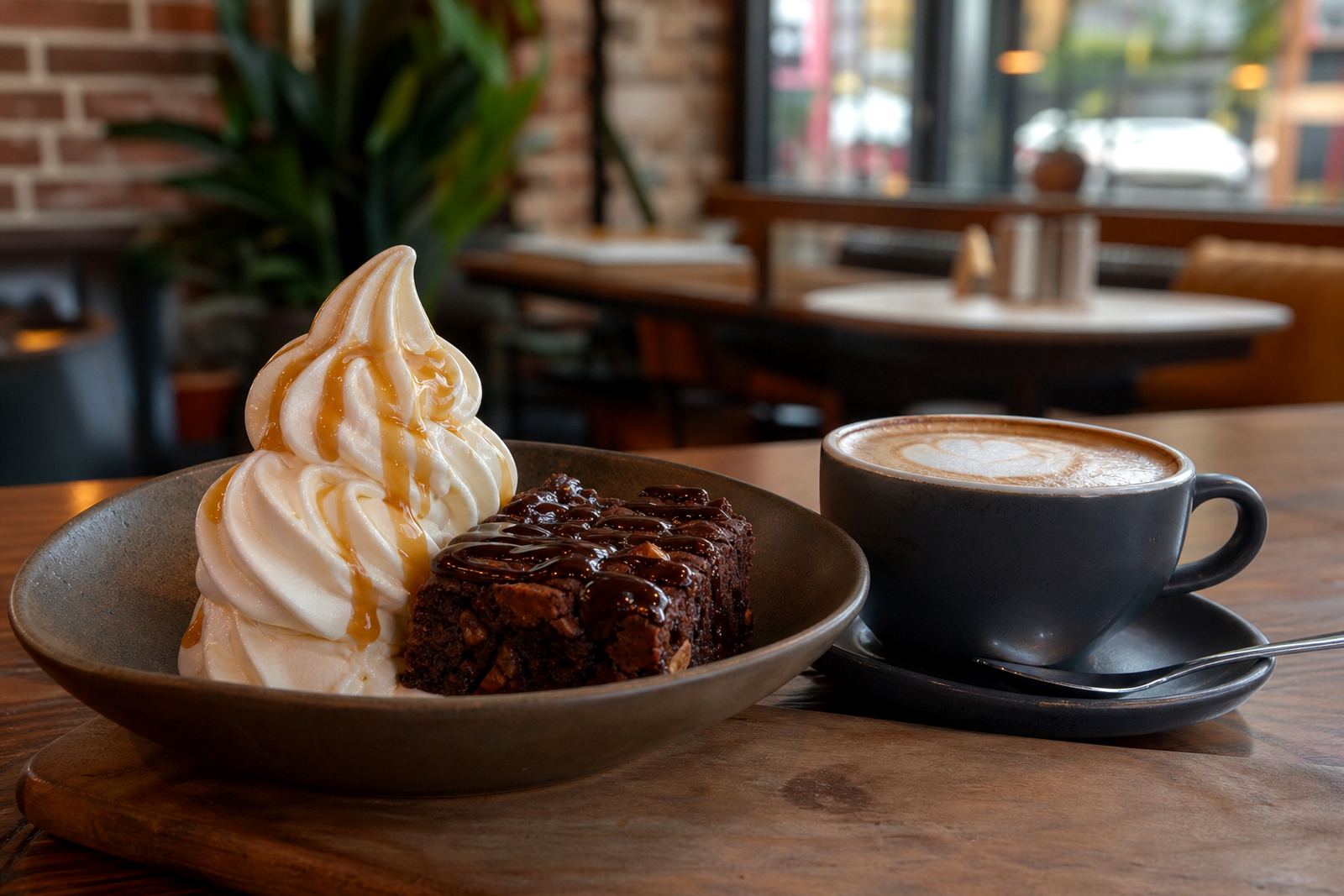
Frozen dessert sales stay alive when the product feels like an add-on rather than a heavy purchase. Smaller portions, combo offers and warm pairings all help. A soft-serve cone after lunch, a yoghurt swirl with fruit, or a cup served with brownies and hot sauce can work just as well in June as it does in December. The businesses that keep selling are usually the ones that keep testing, watching foot traffic and adjusting portions instead of standing still.
Build a winter menu that feels warmer and more filling
A winter menu should make the product feel like comfort, not just something cold. In a cafe or restaurant, that means serving frozen desserts with baked items, fruit compote, toasted nuts, chocolate, coffee and warm toppings. A kiosk can do the same in a simpler way by offering a short list of combinations that are easy to prepare quickly during busy periods.
- Pair soft-serve with waffle pieces, brownie bites or rusks for a more filling plate.
- Offer smaller cups for customers who want a treat without a full large serving.
- Add a hot topping option like chocolate sauce, caramel or warm fruit compote.
- Create a weekday special with a coffee or hot chocolate and a reduced frozen dessert portion.
- Keep one or two seasonal flavours that match the time of year, such as vanilla with cinnamon or yoghurt with berry sauce.
In coastal areas, humidity can affect how products hold during service, so it helps to test serving temperatures and holding time before you launch a winter special. If the texture is right, customers notice immediately and the product feels worth the Rand spent.
Use winter traffic patterns to your advantage
Winter trade is often less about big peaks and more about steady, shorter bursts. That means your timing matters. School runs, lunch breaks, late afternoon mall traffic and weekend family outings are often better than late evenings. If your site is in Springfield Park, Umhlanga or another busy Durban node, you may find that office workers and passing motorists want something quick before heading home. In Pretoria or Johannesburg, lunchtime and after-school periods may be stronger than the colder early morning trade.
Watch what sells on grey days versus sunny ones. If a kiosk near a taxi rank or shopping centre sees more takeaway demand, cups and sealed tubs may outperform cones. If a restaurant gets more dine-in winter traffic, plated desserts with a small serving of soft-serve can lift the average spend. The main point is to work with the pattern, not fight it.
- Track sales by day and by hour for at least four weeks.
- Compare cone sales, cup sales and topping add-ons separately.
- Use slower days for staff coaching and prep, not only for cutting stock.
- Place winter specials near the till so they are easy to suggest.
Keep equipment ready for cooler weather and load-shedding
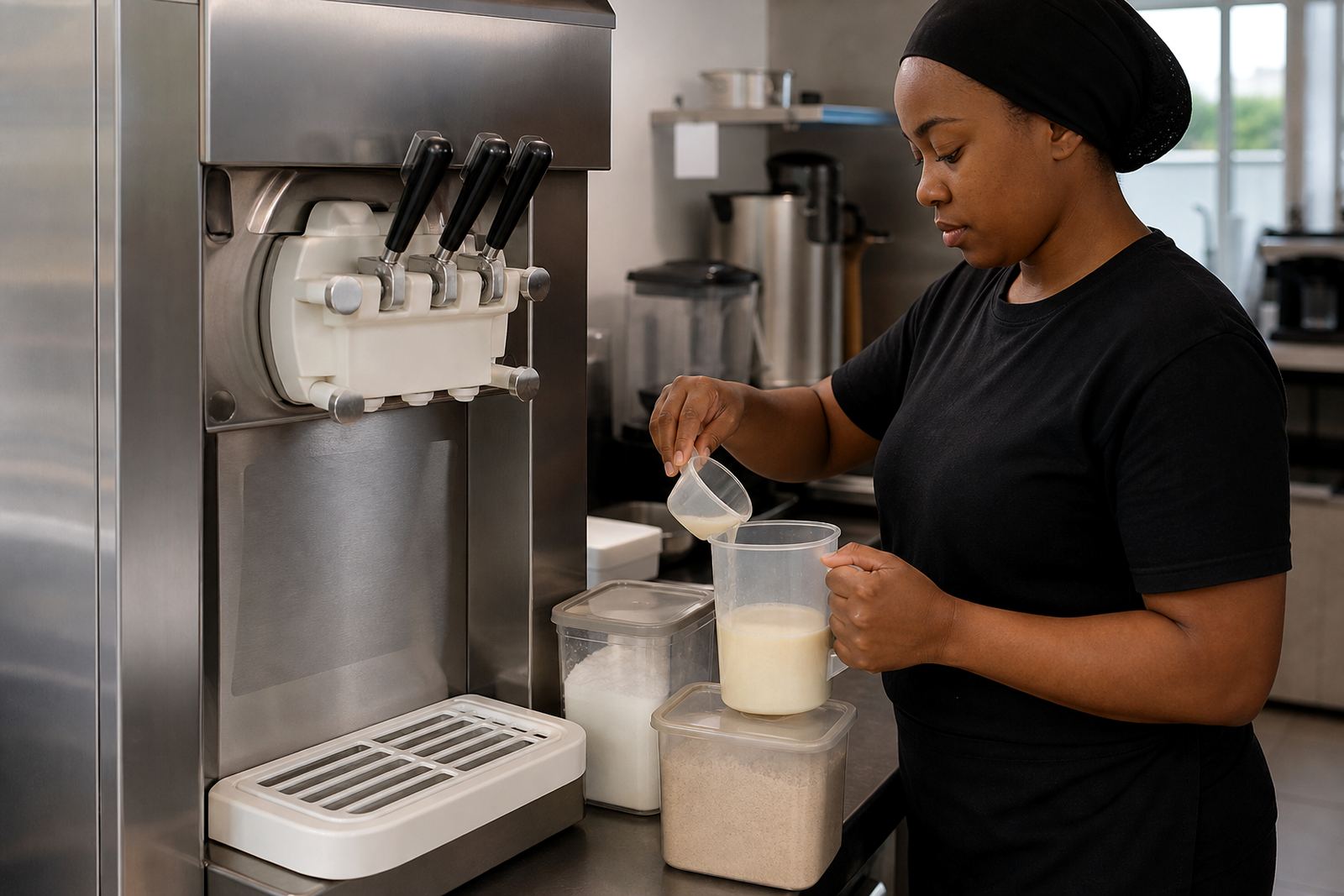
Winter is a good time to sort out service discipline. Machines that are cleaned properly, sealed correctly and checked before the rush are less likely to give trouble when trade picks up again. That matters in South Africa, where load-shedding, voltage swings and long trading hours can put pressure on equipment. A machine that runs well in summer must still hold product consistency during a colder, drier day and then recover properly after power interruptions.
Preventive maintenance should not be left until a breakdown happens. A deep clean service, seal and parts check, mix calibration and season prep check can save a lot of lost trade. For operators in coastal towns like Durban or Gqeberha, salt air and moisture can shorten the life of fittings if they are ignored. In inland areas, dust and dry conditions can create their own problems. Either way, a small fault left alone often becomes a full shutdown at the wrong time.
Before winter weekends, make sure the machine is installed correctly, operator training is up to date and your team knows what to do after a restart. Clear routines reduce waste and keep the serving line moving.
Train staff to sell the treat, not just serve it
Winter sales improve when the team knows how to suggest the right item. A good counter worker can turn a plain request into a better ticket by recommending a topping, a second flavour or a warm side. This is especially useful in cafes and restaurants, where the dessert offer competes with cakes, puddings and hot drinks.
Training does not need to be complicated. It should cover portion control, speed, hygiene, and how to talk about the product in a simple local way. Staff should be able to explain the difference between soft-serve and frozen yoghurt, know which mix is running, and spot when the machine needs attention. If a team member in Pietermaritzburg or Cape Town can keep the product consistent from opening to close, customers are more likely to return.
- Show staff how to suggest one add-on without sounding pushy.
- Teach them to keep the counter neat and the product presentation clean.
- Give them a short winter script for upselling cups, toppings and combo deals.
- Make sure they know basic sanitising steps between busy periods.
A Durban case: how a small kiosk keeps winter turnover moving
Take a small kiosk in Springfield Park that serves office workers, delivery drivers and nearby shoppers. Summer trade may be driven by high foot traffic, but winter trade can still stay steady if the menu is tightened and the machine is kept in top condition. The owner drops oversized portions, keeps two core flavours and adds a weekly special with hot sauce and a biscuit topping. A cup with a coffee on the side becomes the default winter order for many regulars.
At the same time, the team follows a simple maintenance routine. The machine gets a regular deep clean, seals are checked before the weekend rush and the mix is calibrated so servings stay consistent. When the power cuts out, staff know the restart steps and do not lose the first hour of trade. That kind of discipline does not sound dramatic, but it protects the margin. In winter, every saved serving counts.
The same model can work in Johannesburg, Pretoria, Cape Town or Gqeberha with small local changes. The offer might be more lunch-driven inland and more family-driven on the coast, but the principle stays the same: make the product easy to buy, easy to finish and reliable to serve.
Simple winter actions that keep the tills moving
If you want winter dessert sales to stay active, keep the plan practical. Focus on the basics first, then adjust by location and customer pattern. A clear menu, clean machine and trained team will do more than a big marketing push with no follow-through.
- Trim the menu to the strongest winter sellers.
- Link frozen desserts with warm items and smaller portions.
- Check equipment before weekends and school holiday periods.
- Keep sanitising supplies on hand and use them properly.
- Review sales weekly so you can shift fast if one item slows down.
Winter is not a dead season for frozen desserts. It is simply a different season, and the businesses that adjust early usually keep trading well right through the colder months. With the right setup, your soft-serve or frozen yoghurt counter can still earn its place on the menu, even when the weather cools down.