
What We Move and Recommission
Our site relocation service covers soft-serve machines, frozen yoghurt machines, mix hoppers, cones storage points and the supporting fittings around the unit. Whether you are moving from a kiosk in Umhlanga to a bigger site in Durban, shifting a café counter in Johannesburg, or relocating an ice cream setup in Gqeberha, we prepare the equipment for safe transport and set it up properly at the new address.
The aim is simple: no cracked fittings, no damaged seals, no mix lines left full and no guessing at installation time. We work with single flavour and twin flavour units, countertop models and floorstanding machines. If the machine needs to be re-levelled, reconnected to water, power or drainage, that is handled as part of the relocation plan.
Relocation Checklist Before the Move
Before a machine leaves site, we carry out a shutdown and protection routine that reduces risk during loading and transit. This is especially important in coastal areas like Durban and Cape Town, where humidity can affect exposed parts, and in busy trading spaces where a unit may need to be moved after closing time and ready before the next service period.
- Safe shutdown and isolation from power and water
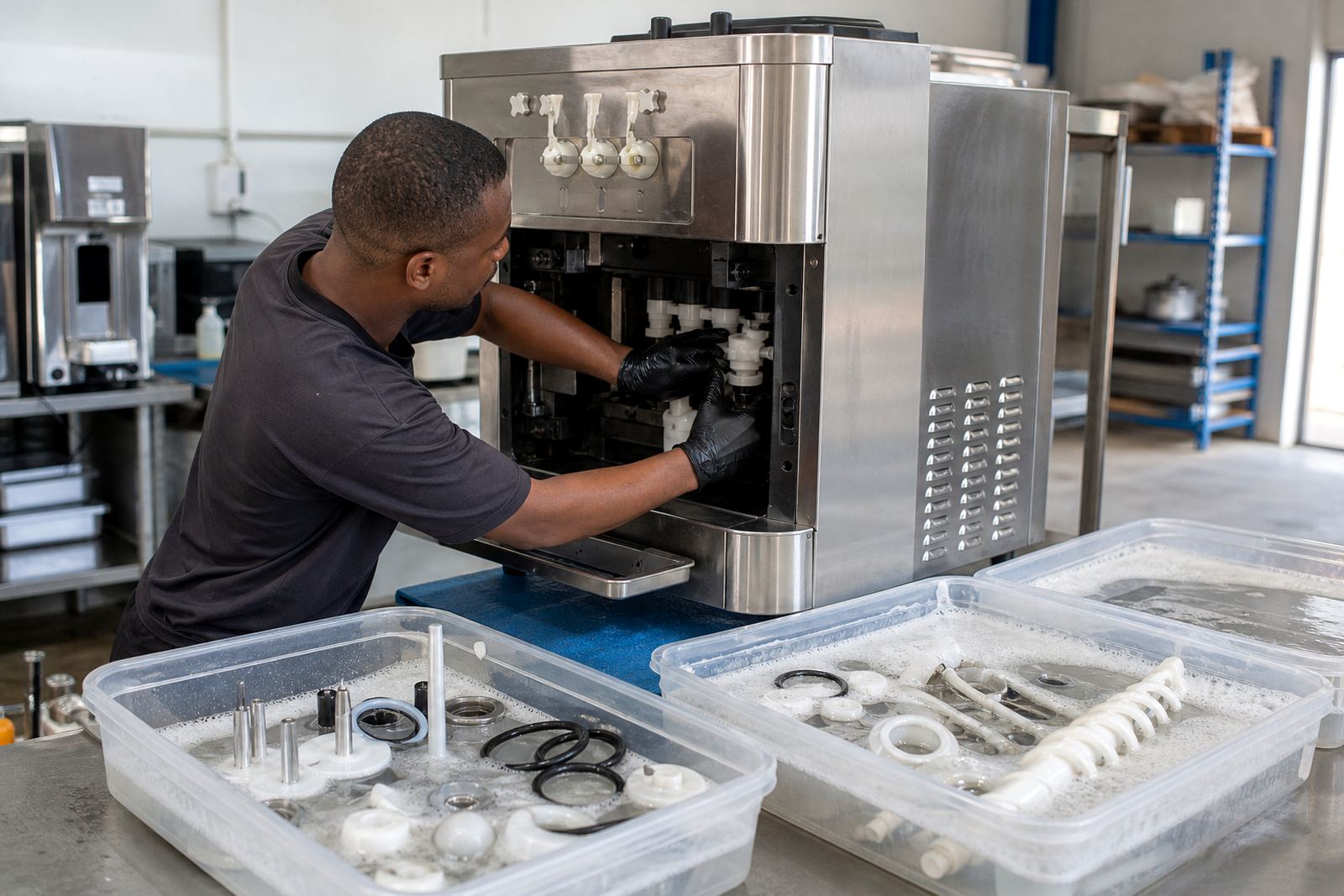
- Drain down of product, rinse out of mix paths and hopper checks
- Removal or securing of loose panels, lids and accessories
- Inspection of seals, O rings, drive components and clamps
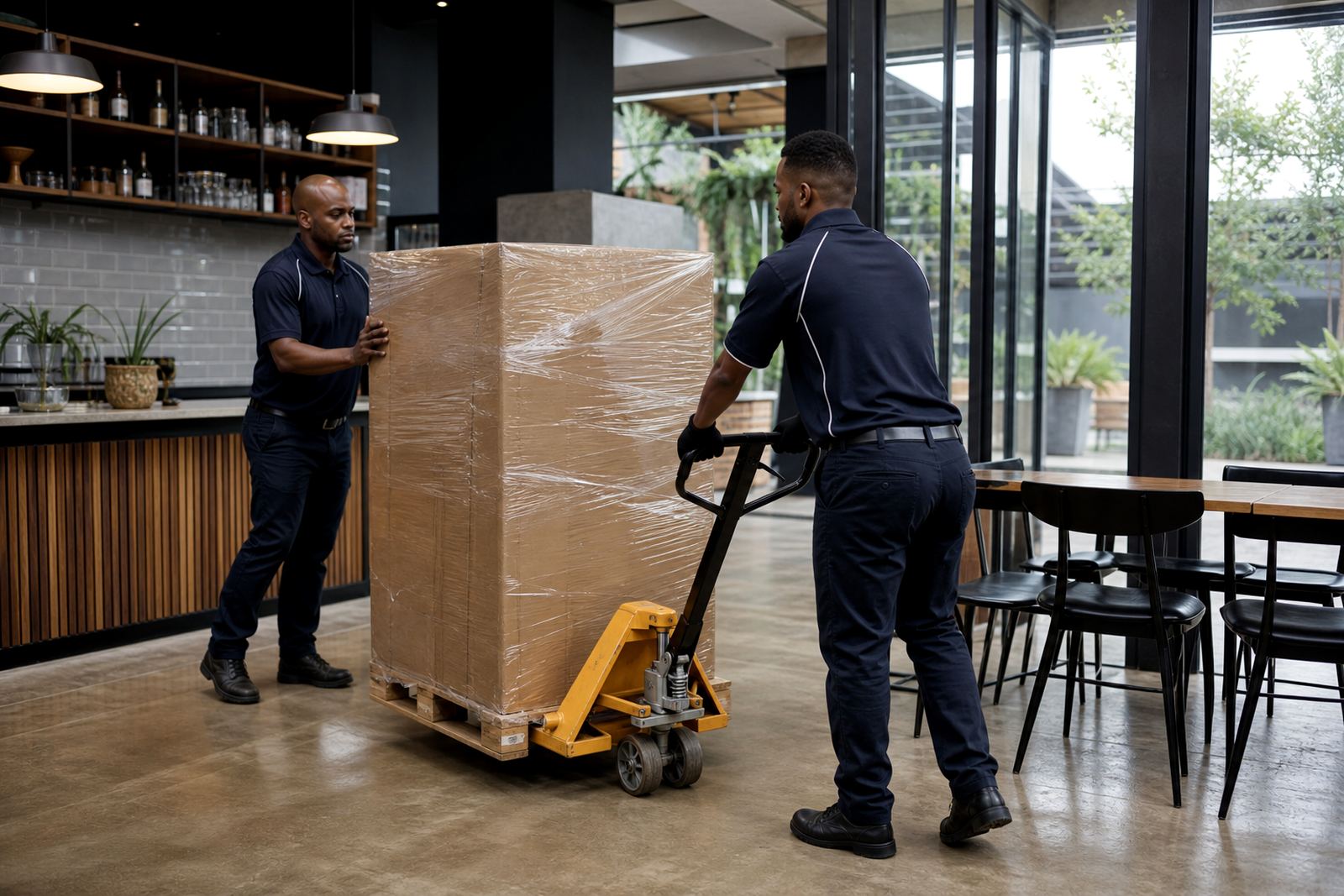
- Transport packing to protect stainless steel, screens and control parts
- Labelling of connection points so recommissioning is quicker on site
We also check access at both premises, including door widths, stairwells, loading zones and whether the new site has the correct power supply and floor loading. A machine that is perfect on paper can still be a problem if the counter opening is too tight or the socket position is wrong.
Step by Step Relocation Process
Every relocation is planned around the trading hours and the condition of the equipment. A small kiosk move in Pietermaritzburg may only need a short service window, while a restaurant fit-out in Pretoria or Cape Town may need a full day because the counter has to be reworked first.
The process usually follows these steps:
- Site assessment and move plan
- Controlled shut down and product removal
- Disconnecting electrical, water and drainage points
- Securing the machine for transport
- Delivery to the new venue and safe positioning
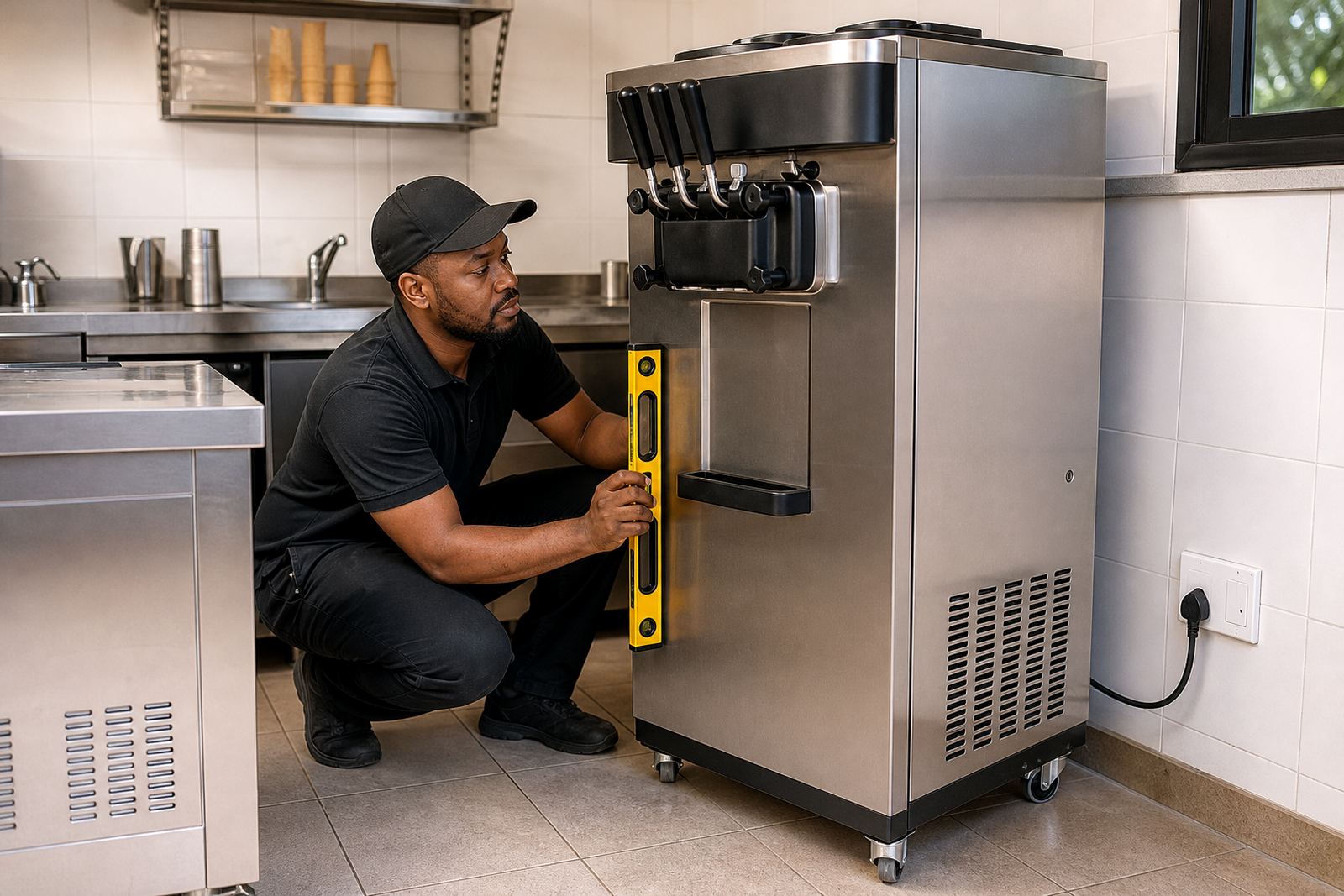
- Reconnection, levelling and function testing
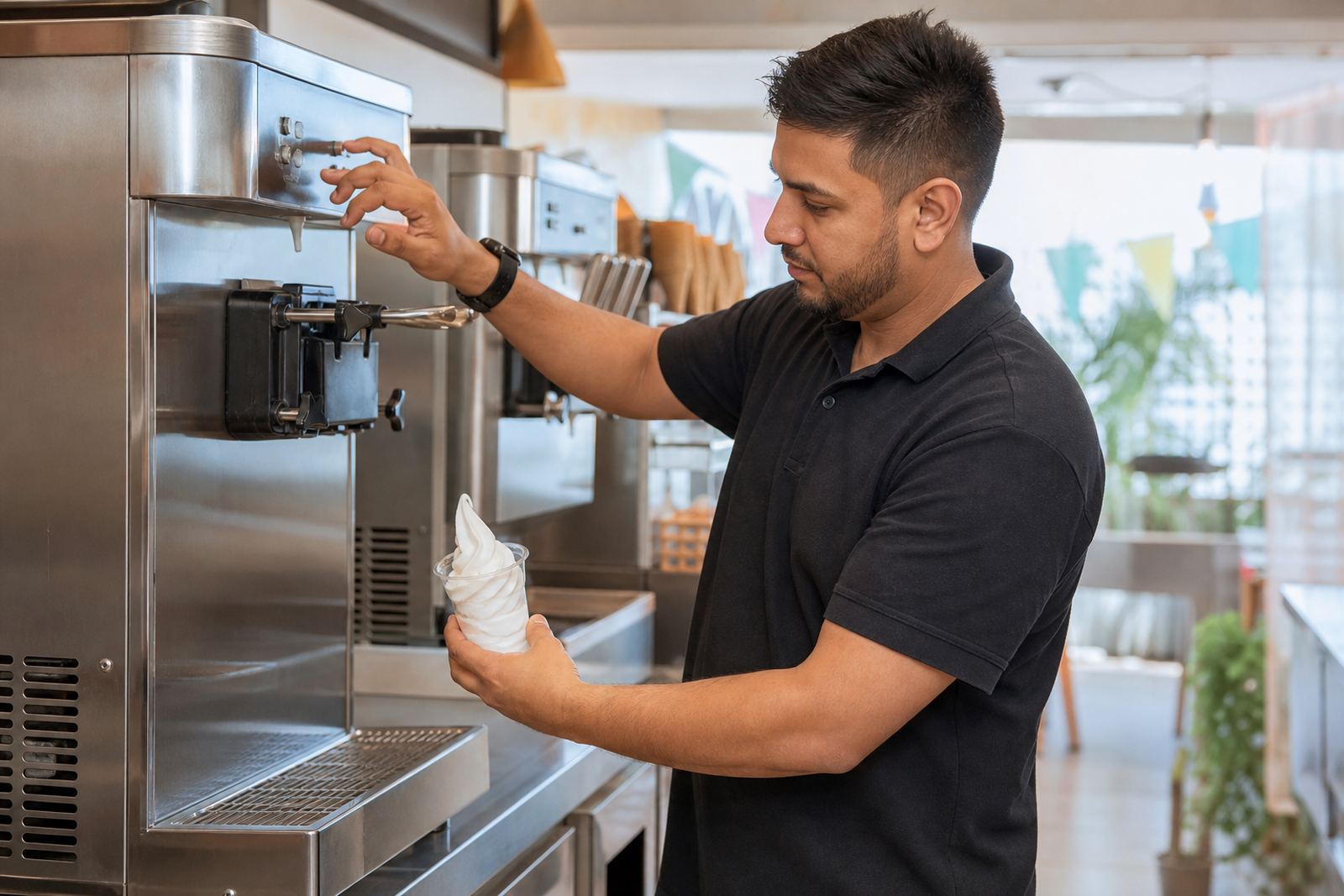
- Mix run check and operator handover
Once installed, we test the machine under load and confirm that temperatures, draw consistency and safety switches are working as they should. If the outlet needs calibration or the mix consistency is off after the move, we sort that out on the spot where possible.
Turnaround Times and Downtime Planning
Most relocations can be planned within a few working days, depending on distance, site access and whether any electrical or plumbing changes are needed at the destination. Moves within Durban, Springfield Park, Umhlanga and Pietermaritzburg can often be scheduled faster than interprovincial work, but each case is confirmed after inspection of the old and new venue.
For operators trying to avoid a lost weekend trade, we recommend moving after close on a slow trading day or during a planned maintenance window. In a busy season, we also advise doing the move before stock is ordered, so you are not paying for mix that sits unused while the machine is offsite.
Where the site is affected by load-shedding, we can help you plan the restart around stable power periods and advise on the best time to commission the unit. A proper restart matters because rushing the first batch often leads to air content issues or an uneven set.
Pricing Approach and What Affects Cost
Relocation pricing is quoted per job, not as a flat national rate. The final cost depends on the machine size, distance between venues, level of disconnection required, after-hours access, and whether extra parts or labour are needed at the new site. If the venue needs a fresh seal kit, hose set or a new connector arrangement, that is listed separately so you know exactly what you are paying for.
We keep the quote practical and itemised. That usually includes labour for disconnecting and recommissioning, transport preparation, travel time, and any recommended parts identified during the move. For multi-site operators, we can also quote for several relocations at once, which is useful when stores are being re-opened in phases.
Maintenance After the Move
A machine that has been moved should not just be switched on and forgotten about. After relocation, we recommend a follow-up check within 2 to 6 weeks, especially for high-volume sites in coastal humidity or sites that run long trading hours. This lets us confirm that seals have settled, fittings are holding pressure and there are no early wear signs from the transfer.
Routine maintenance after a move is usually lighter if the unit was cleaned and protected properly beforehand. For most businesses, the best interval is a quick visual check every week, with a deeper inspection every 3 months and a full service at least twice a year. If the machine is in constant use, or if the site has dust, heat or salt air, those intervals may need tightening up a bit.
Good relocation work saves money later. It prevents avoidable breakdowns, protects product quality and keeps your front counter trading instead of waiting on repairs.
Key facts
| Machine types | Soft-serve and frozen yoghurt units |
|---|---|
| Service area | Durban, Johannesburg, Pretoria, Cape Town, Gqeberha and surrounding areas |
| Typical move window | After-hours or pre-opening, by arrangement |
| Recommended follow-up | 2 to 6 weeks after recommissioning |
| Maintenance interval | Weekly checks, 3 monthly inspection, 6 monthly service |
| Included checks | Power, water, drainage, levelling, seals and function testing |