
What our machine installation service includes
Our machine installation service covers the practical work needed to get a new unit ready for service, not just to switch it on and walk away. We position the machine, check the site, level the cabinet, connect the required utilities where applicable, then run the first start-up and basic performance checks. This helps reduce early faults, uneven freezing and operator confusion during the first few days of trading.
We work with countertop and floor-standing soft-serve and frozen yoghurt machines used in cafes, kiosks, convenience stops and dessert counters. In Durban and other coastal areas, we also pay close attention to ventilation, corrosion points and moisture exposure, because salty air and poor airflow can shorten component life. If the site has tight access, shared prep space or limited back-of-house room, we plan the install around that layout so the machine can be serviced later without hassle.
- Site inspection and placement planning
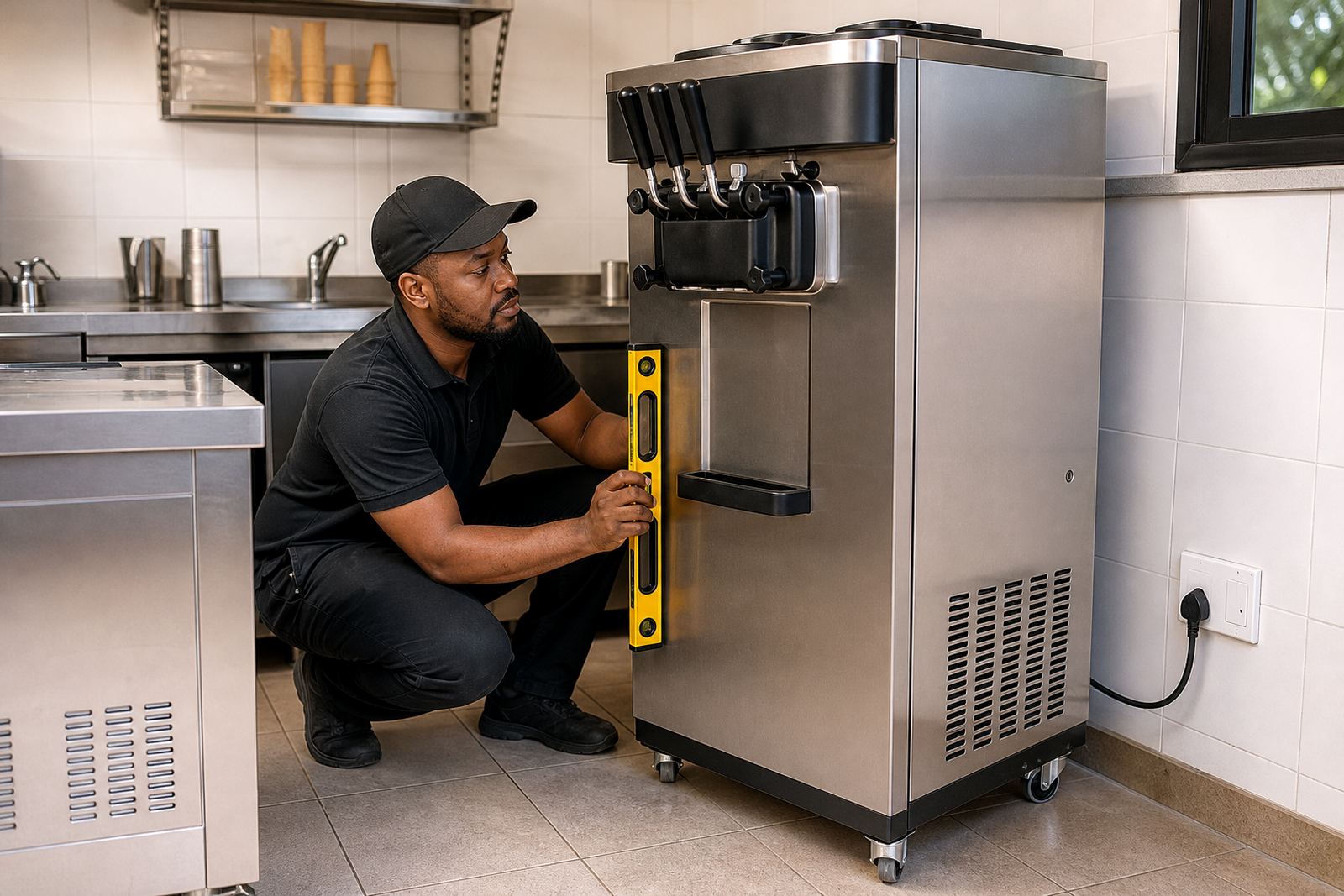
- Levelling and cabinet alignment
- Power, plug and circuit checks
- Commissioning and first run testing
- Operator handover and basic usage guidance
Step-by-step setup from delivery to first dispense
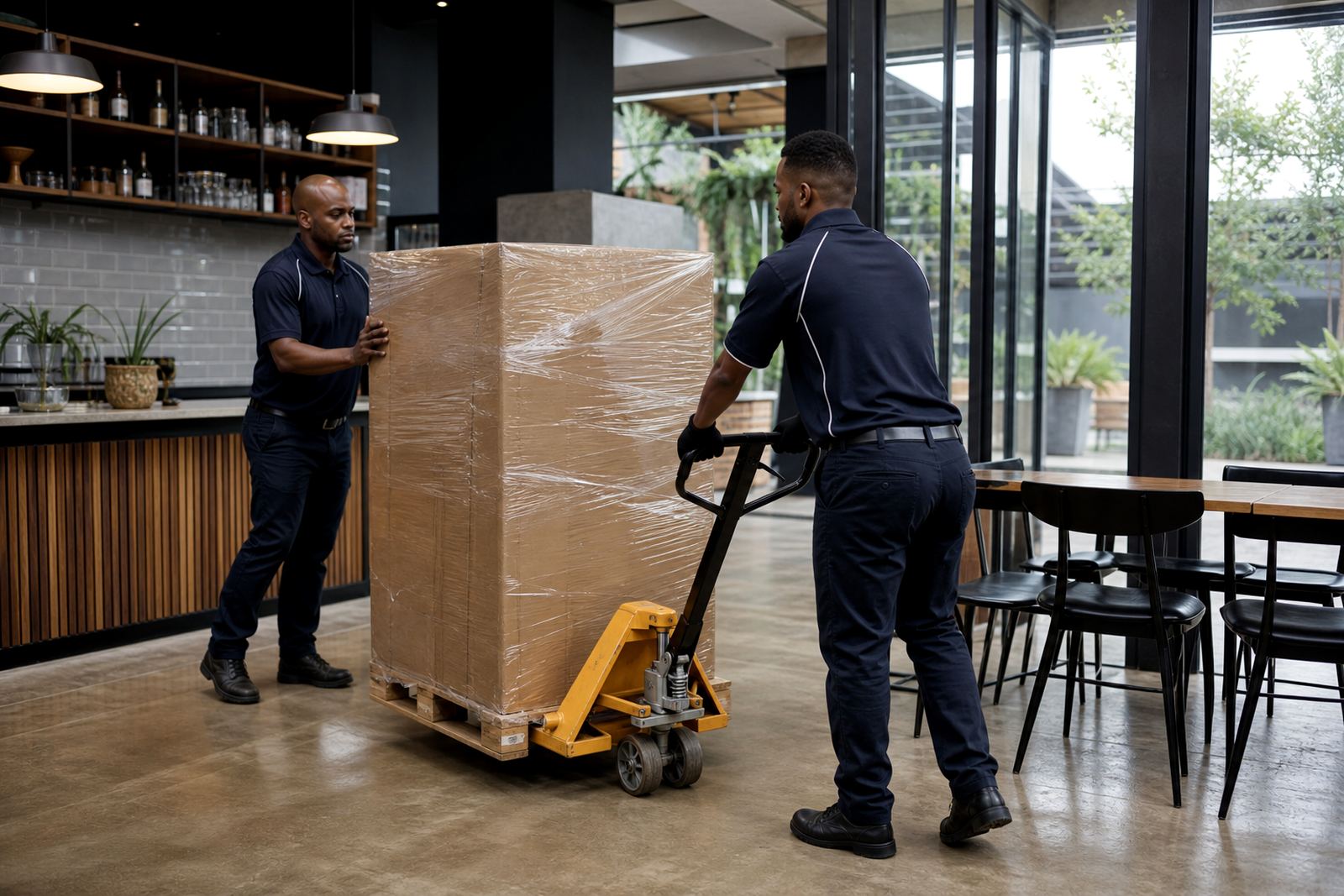
We keep the process simple and clear. Once the machine arrives, the team confirms access, position and power requirements. The machine is moved into place carefully, then levelled so mix flow, freezing performance and door seals all sit correctly. If the unit needs a dedicated socket or an isolated circuit, that is confirmed before start-up. This matters in sites where load-shedding backup or shared electrical loads can affect performance.
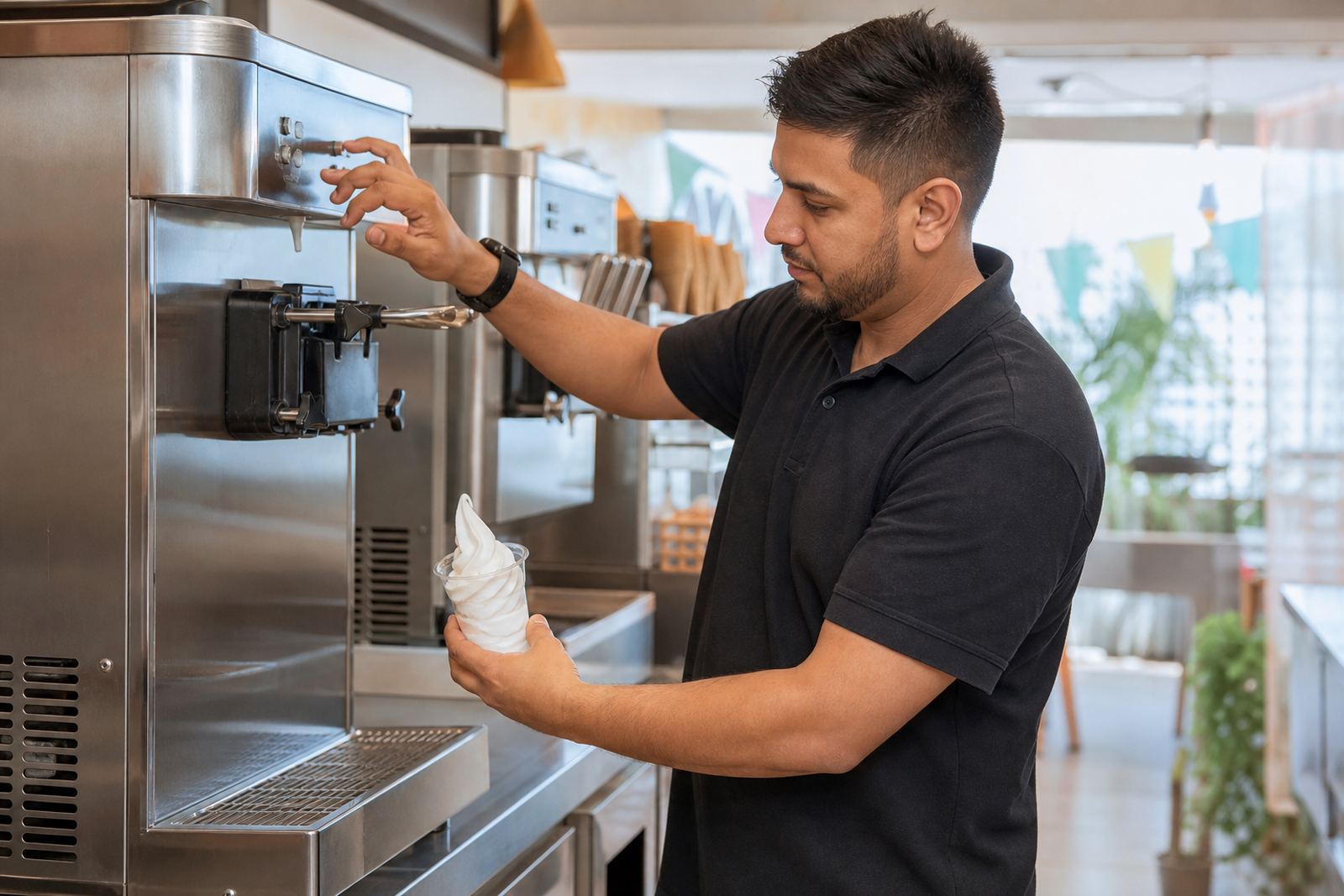
After placement, we carry out the initial fill, run the freezer cycle, check overrun where relevant, and make sure the dispense action is consistent. The operator is shown how to load mix, rinse, clean external surfaces and recognise warning signs such as unusual noise, slow draw or temperature drift. We also check that the machine can be opened safely for daily cleaning, because a tight install that is difficult to access usually leads to skipped maintenance later.
- Delivery coordination and access check
- Machine positioning and levelling
- Utility and safety verification
- Initial filling and run test
- Operator demonstration and sign-off
Technical details we check on site
Every install is different, but the same core technical points apply. We confirm the machine sits level within a practical tolerance, airflow is not blocked, and there is enough clearance for the side and rear panels to breathe. Where the site uses a generator or backup power during load-shedding, we check that supply is stable enough for the compressor and control system to start without tripping. Poor power quality can cause nuisance faults, especially on busy days when the machine cycles hard.
For soft-serve and frozen yoghurt equipment, we also verify mix temperature behaviour, hopper function, paddle operation and the general finish of the first batch. If the machine is fitted into a kiosk or compact counter, we make sure the operator can still reach the cleaning points and product valves without awkward lifting. In humid areas, we recommend a little extra space around the unit, as condensation build-up can affect surrounding fittings and electrical parts if the site is too closed in.
- Level base and stable footing
- Clear airflow around condenser areas
- Correct supply voltage and protection
- Safe access for cleaning and refilling
- First batch consistency check
How long installation takes and how we schedule it
Most standard installations can be completed within a half day once the site is ready and the machine is on hand. More complex jobs, such as relocations, cramped shopfronts or sites that need electrical adjustments before commission, can take longer. We prefer to plan installations during quiet trading hours where possible, especially for food service businesses that cannot afford to lose a busy lunch or weekend period.
In Durban, Springfield Park, Umhlanga, Pietermaritzburg and other nearby areas, scheduling is usually quicker because travel time is lower and site visits are easier to line up. For Johannesburg, Pretoria, Cape Town and Gqeberha, we plan installs around route timing and site readiness so technicians are not left waiting on incomplete prep. If the site is not ready, the machine should not be rushed into service. That is when small faults turn into call-backs.
Turnaround also depends on whether the unit is a first install, a replacement or part of a new shop opening. New sites may need extra time for counters, drainage, power access and sanitation flow, so we ask for those details upfront before the appointment is confirmed.
Pricing based on scope, distance and site conditions
Our pricing approach is straightforward. We quote according to the type of machine, the complexity of the installation, travel distance and any additional work needed on site. A simple placement and commission in a prepared Durban store will cost less than a same-day relocation with electrical adjustments in a high-traffic shopping area. We do not price by guesswork, because every site has its own access, power and layout issues.
For accuracy, we look at the following before confirming the job:
- Machine size and model type
- Single-unit or multi-unit install
- Distance from our Durban base
- Site access, stairs, lifts or narrow entrances
- Need for training, calibration or extra set-up time
If the site is in a coastal zone, a kiosk, or a shared retail space with limited ventilation, we may recommend an extra service check after the first few weeks. That keeps the machine running properly and helps protect the customer’s investment. We aim to keep the pricing fair and clear, with no surprises after the work is done.
Maintenance after installation to protect performance
Installation is only the first step. A soft-serve or frozen yoghurt machine works best when the first few weeks are monitored closely and the routine cleaning is done properly. We normally recommend a short follow-up check after the machine has settled in, then preventive maintenance at regular intervals based on usage. High-volume sites need more frequent checks than small cafes with weekend trade only.
A good rule is to inspect cleaning seals, dispense components and mix settings every day, then arrange a more detailed service every few months depending on trading load. In busy Durban or Johannesburg stores, wear can show up earlier because the machine runs harder and staff turnover can affect cleaning quality. If the unit starts to show inconsistent texture, slower freezing or drip issues, it should be checked before the fault worsens. That saves time and often reduces repair costs too.
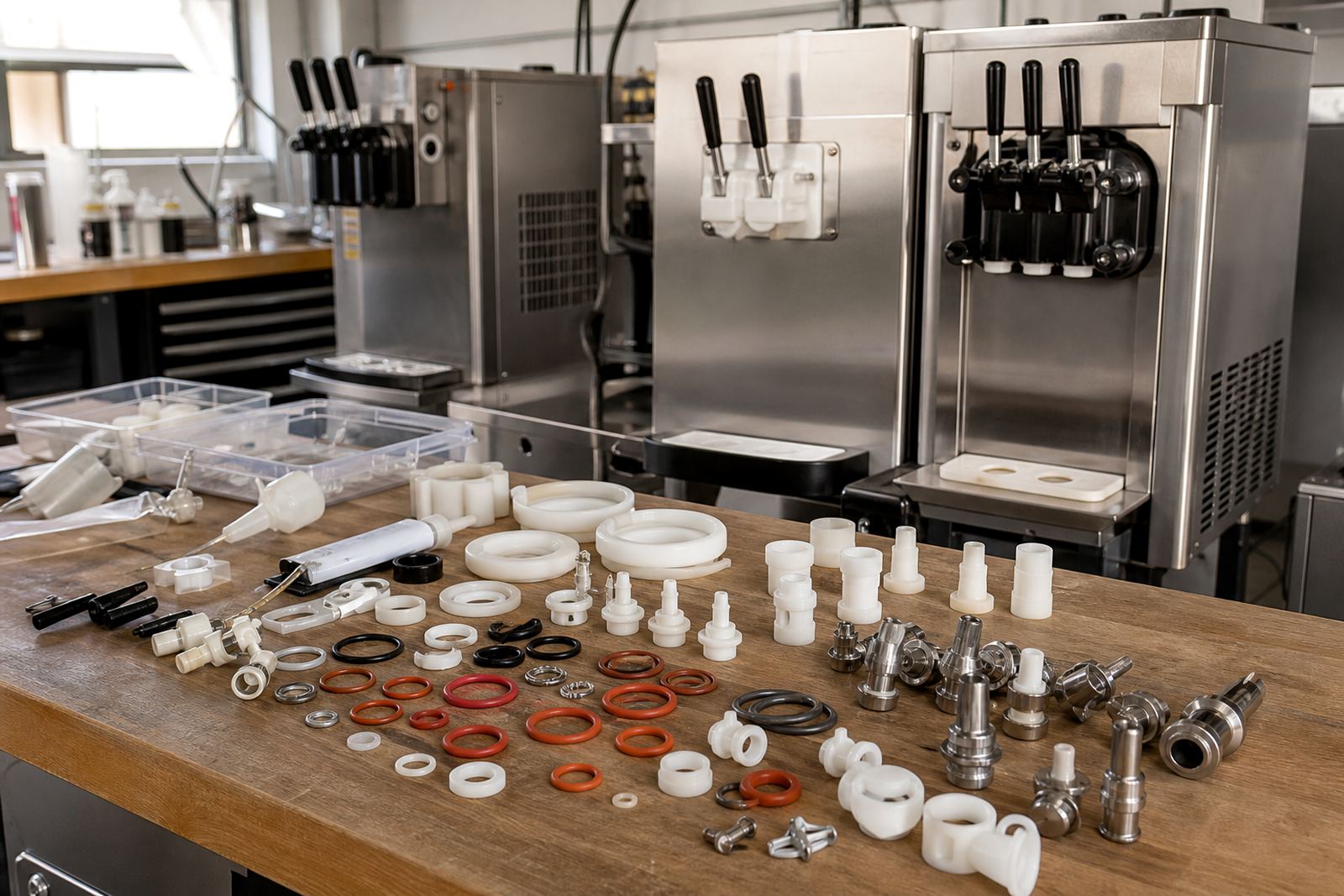
- Daily rinse and sanitation by the operator
- Weekly visual inspection of seals and fittings
- Periodic calibration and performance check
- Preventive maintenance every 3 to 6 months, depending on use
- Follow-up service after a new install if required
Key facts
| Service area | Durban, Springfield Park, Umhlanga, Johannesburg, Pretoria, Cape Town, Gqeberha and Pietermaritzburg |
|---|---|
| Typical install duration | About 2 to 4 hours for a standard prepared site |
| Machine types | Soft-serve machines and frozen yoghurt machines |
| Install focus | Placement, levelling, commissioning and operator handover |
| Site requirements | Stable power, clear airflow and safe access for cleaning |
| Follow-up timing | Recommended after the first few weeks of trading, then every 3 to 6 months |