
Twin flavour output for busy service points
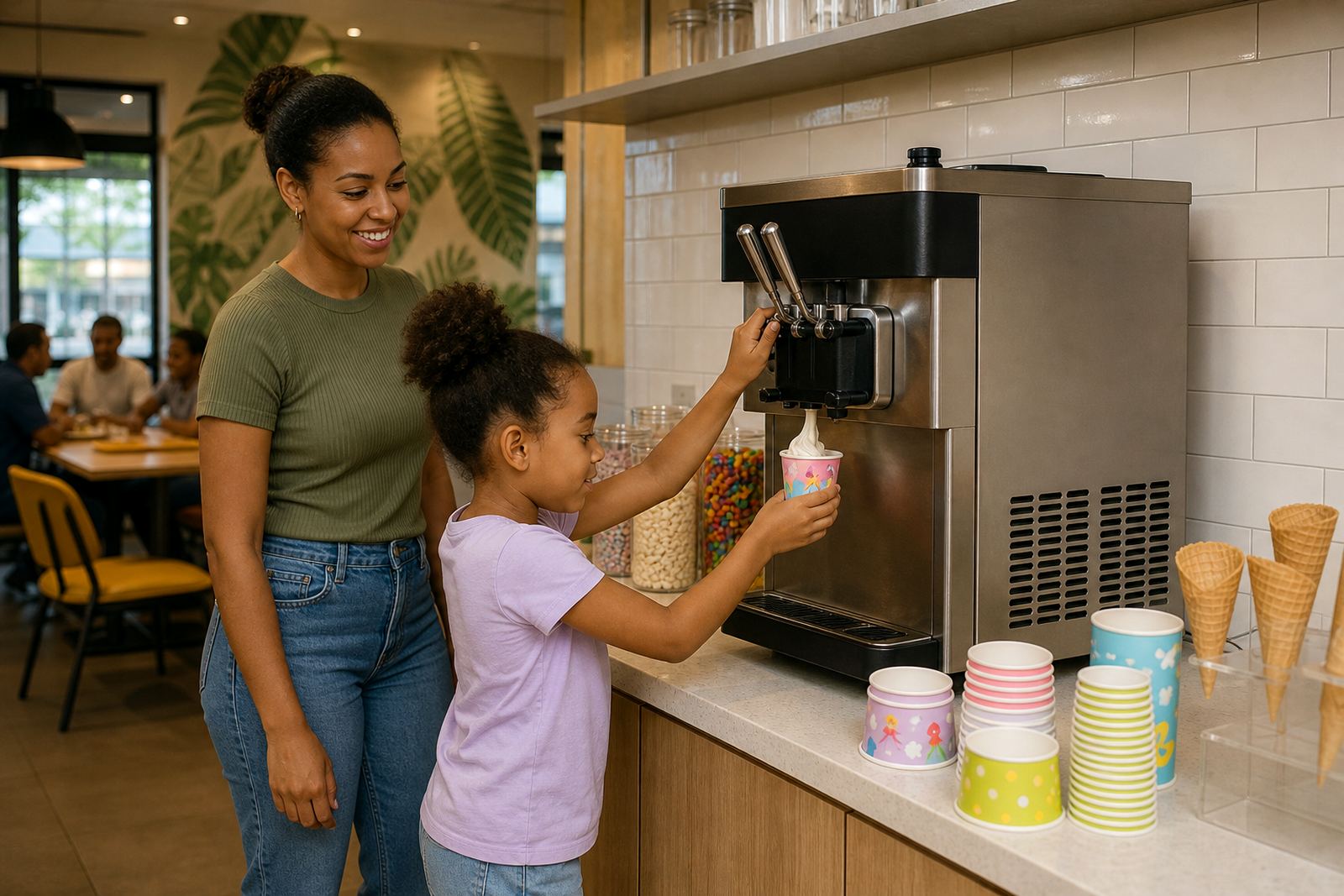
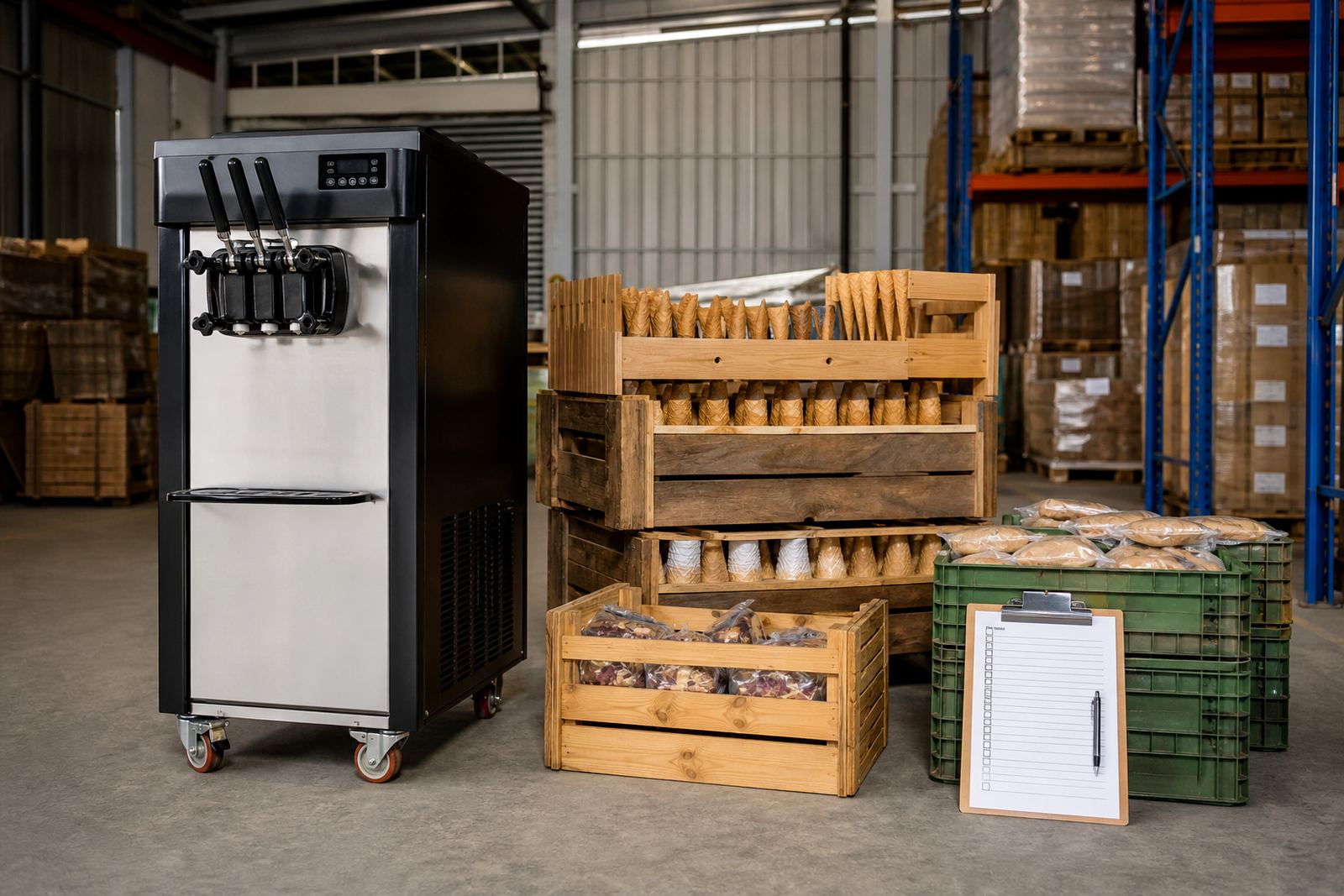
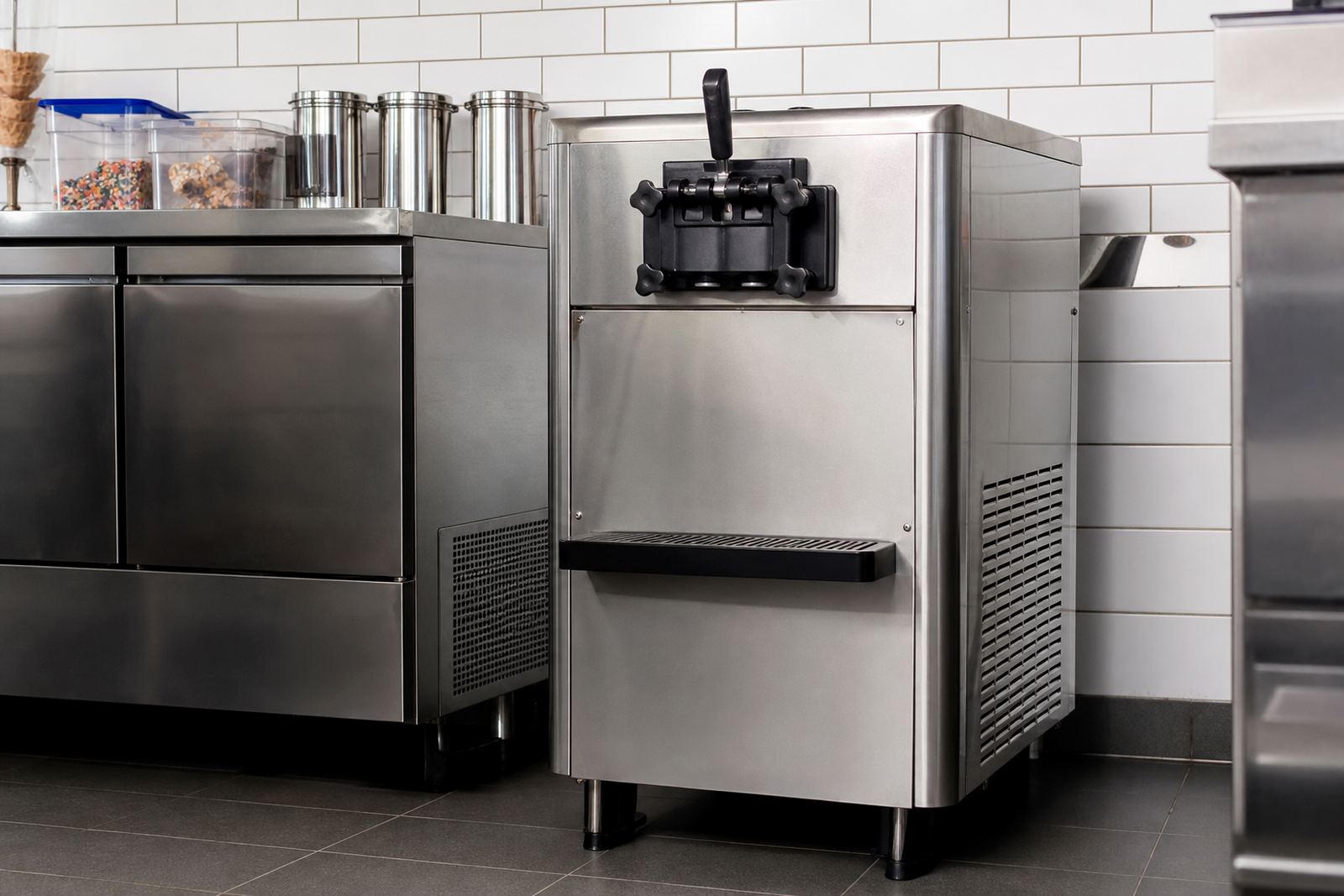
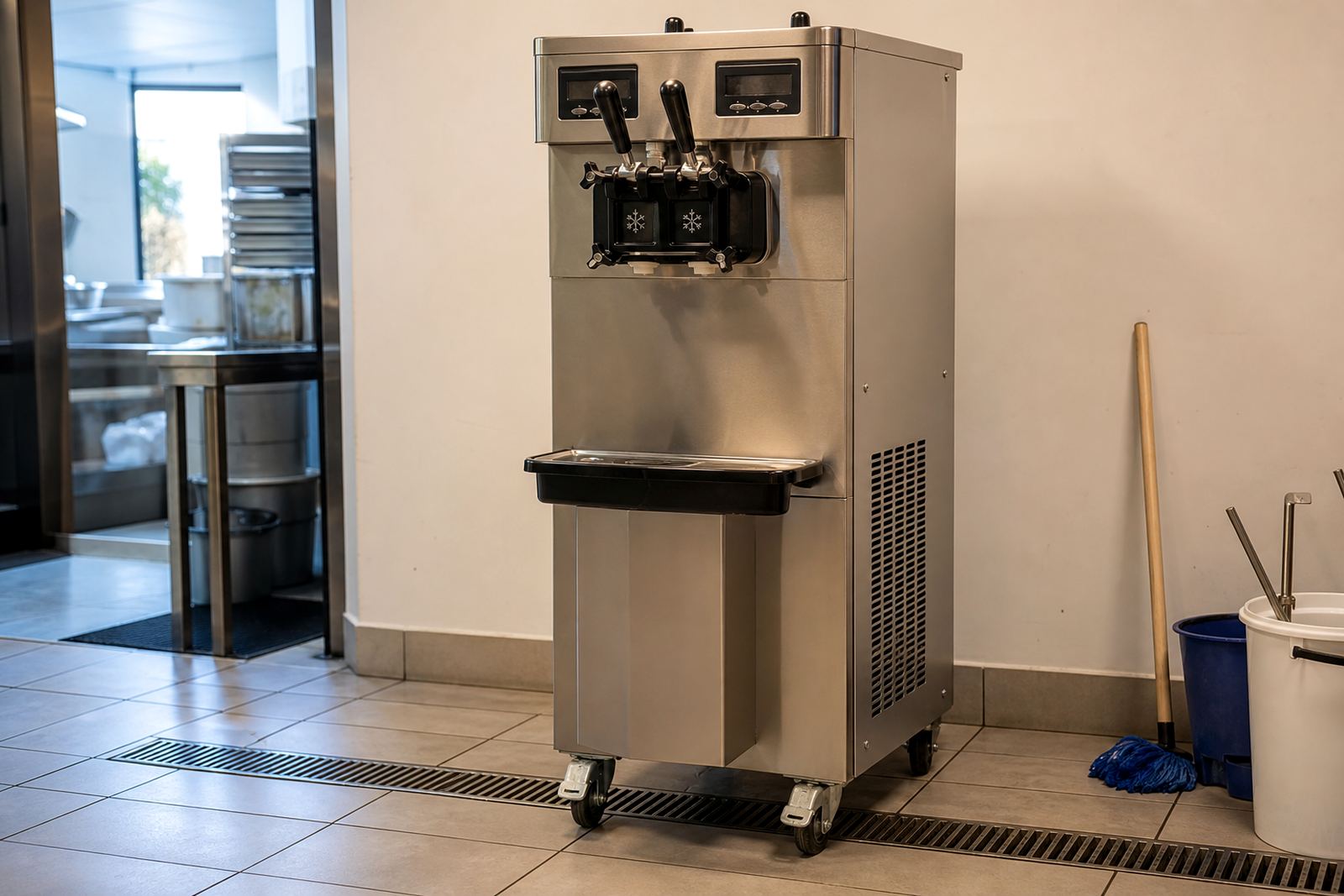
The floor standing twin model gives you two flavours from one machine, with the option to serve each flavour separately or together as a swirl. It suits outlets that want a clear dessert offer without taking up too much counter space, and it is a practical choice where staffing is tight because the controls are simple to learn.
In busy trading areas like Durban, Johannesburg and Cape Town, this style of machine is often chosen for lunch rushes, school holiday traffic and weekend footfall. It works well for shops that want a reliable frozen product that stays consistent from the first cone to the last. The twin hopper layout also helps with stock control because you can run one flavour at a time if needed.
Common uses include soft-serve with standard mix, frozen yoghurt service, and set dessert menus where toppings are added at the point of sale. If your site gets mixed traffic and you need a machine that can keep up without being oversized, this is a sound option.
Sizes, hopper capacity and service output
This model is supplied as a floor standing unit with a twin hopper and twin freezing cylinders. The exact footprint and output vary by configuration, but most buyers choose a size that fits beside a prep counter or service hatch while leaving enough room for cleaning access on the side and back. We always recommend checking your doorway widths and counter clearance before ordering, especially for kiosks in malls or older buildings with narrow access.
- Type: Floor standing twin flavour soft-serve or frozen yoghurt machine
- Configuration: Two flavours, with swirl option on many setups
- Use case: Continuous trading through peak periods
- Best fit: Cafés, dessert bars, kiosks, restaurants, canteens and family entertainment sites
Because the machine is floor mounted, it is easier to place it where staff can load mix and serve from the same point. That helps in compact service areas where every metre counts. For higher volume outlets, it can be paired with a second unit or used alongside a topping station and refrigerated storage.
Where this model suits best across South Africa
The twin floor standing format suits outlets that need to serve quickly and keep the product visible at the front of the business. In coastal areas like Durban and Gqeberha, it is often chosen for dessert bars and family restaurants because it can handle steady demand while staying easy to clean after a humid day. In Gauteng, it is a good match for mall kiosks, forecourt food counters and suburban cafés with repeat trade.
It also works well in Pietermaritzburg and Pretoria where power interruptions and varied daily trade patterns make predictable equipment important. If your shop has limited prep staff, the machine's straightforward operation helps reduce mistakes during rush periods, and the output stays consistent when the mix is calibrated properly.
- Ice cream parlours and dessert cafés
- Shopping centre kiosks and food courts
- Restaurants adding a dessert line
- Takeaway counters and canteens
- Seasonal trading sites and tourist stops
Power, ventilation and site preparation
Before installation, check the available electrical supply and make sure the site can handle the machine's load. Most floor standing twin units need a dedicated circuit and correct earthing, with a plug point placed where staff can reach it without running loose extension leads across the floor. If your premises experience load-shedding, ask about backup planning so service does not stop mid shift.
The machine should stand level on a firm floor, with enough space around it for air flow and access during cleaning. In warm kitchens or enclosed kiosks, good ventilation matters because poor air movement can affect performance. If your site is near the coast, a regular wipe down helps reduce the effects of salt air and moisture on the external panels and fittings.
Gas is not normally required for the machine itself, but your site may still need proper kitchen compliance if it is part of a broader food operation. For municipal or mall environments, confirm access routes, drainage for wash down, and any rules around waste water disposal. A bit of planning upfront saves headaches later on.
Installation, startup and operator training
We recommend professional installation and startup commissioning so the machine is set up correctly from day one. That includes positioning, electrical checks, initial sanitising, mix loading and a full test run under working conditions. If the unit is being delivered to a new kiosk or relocated to another branch, the setup should be repeated rather than simply switched on and hoped for the best.
Training is important because the best machine still needs the right daily routine. Staff should know how to prime the system, monitor product texture, recognise air mix issues and carry out end of day cleaning. We also advise that at least two team members understand the basics, so service can continue if one person is off sick or on leave.
- Commissioning after delivery or relocation
- Operator walk through for daily use
- Guidance on mix ratios and texture control
- Sanitising and shutdown procedure
- Basic fault spotting for faster support
Care, servicing and long term running costs
Regular care keeps the machine producing smooth, stable product and helps protect your ingredients. Daily rinsing, scheduled sanitising and correct overnight procedures reduce build-up in the cylinder and help prevent off flavours. In humid coastal conditions, a proper clean is even more important because residue can soften and collect faster than many operators expect.
Preventive maintenance should include seals, agitation parts, drive components and calibration checks. If a machine is left to run with worn parts, the mix can whip poorly or the output can become too soft. That usually costs more in product waste than the service would have cost in the first place, so it pays to stay ahead of wear and tear.
We can also assist with deep clean service, seal and parts replacement, breakdown repairs and season prep checks before school holidays or summer trade. For sites running high volumes, this is a practical way to keep downtime down and avoid last minute panic before a busy weekend.
What to confirm before placing an order
To match the right floor standing twin machine to your site, check your daily expected output, available floor space, electrical supply and the type of product you plan to serve. A frozen yoghurt menu may need a different texture profile to standard soft-serve, and the mix you choose will affect taste, yield and cleaning routine.
It also helps to confirm how product will be stored on site, who will train the staff, and whether the machine must fit through lifts, doors or narrow passages during delivery. If you are opening in a mall, centre management may ask for compliance documents or proof of installation details, so keep those ready. When in doubt, ask before the order is finalised rather than trying to make changes at delivery.
- Required daily output and peak trading hours
- Available electrical supply and plug position
- Site access, door widths and floor space
- Preferred flavour mix and cone type
- Maintenance plan and support contact process
If you are serving customers in Durban, Springfield Park, Umhlanga, Johannesburg, Pretoria, Cape Town, Gqeberha or Pietermaritzburg, this model is a solid fit for reliable dessert service. It is built for regular use, and when it is set up and maintained properly, it gives a steady product without fuss.
Key facts
| Machine type | Floor standing twin flavour soft-serve or frozen yoghurt machine |
|---|---|
| Flavour output | Two flavours with swirl option on selected configurations |
| Capacity | Twin hopper and twin cylinder setup for continuous service |
| Power | Dedicated electrical supply required, exact rating depends on configuration |
| Footprint | Floor mounted unit suited to compact service areas |
| Use | Cafés, kiosks, restaurants, dessert bars and canteens |