
One flavour, steady output for busy service
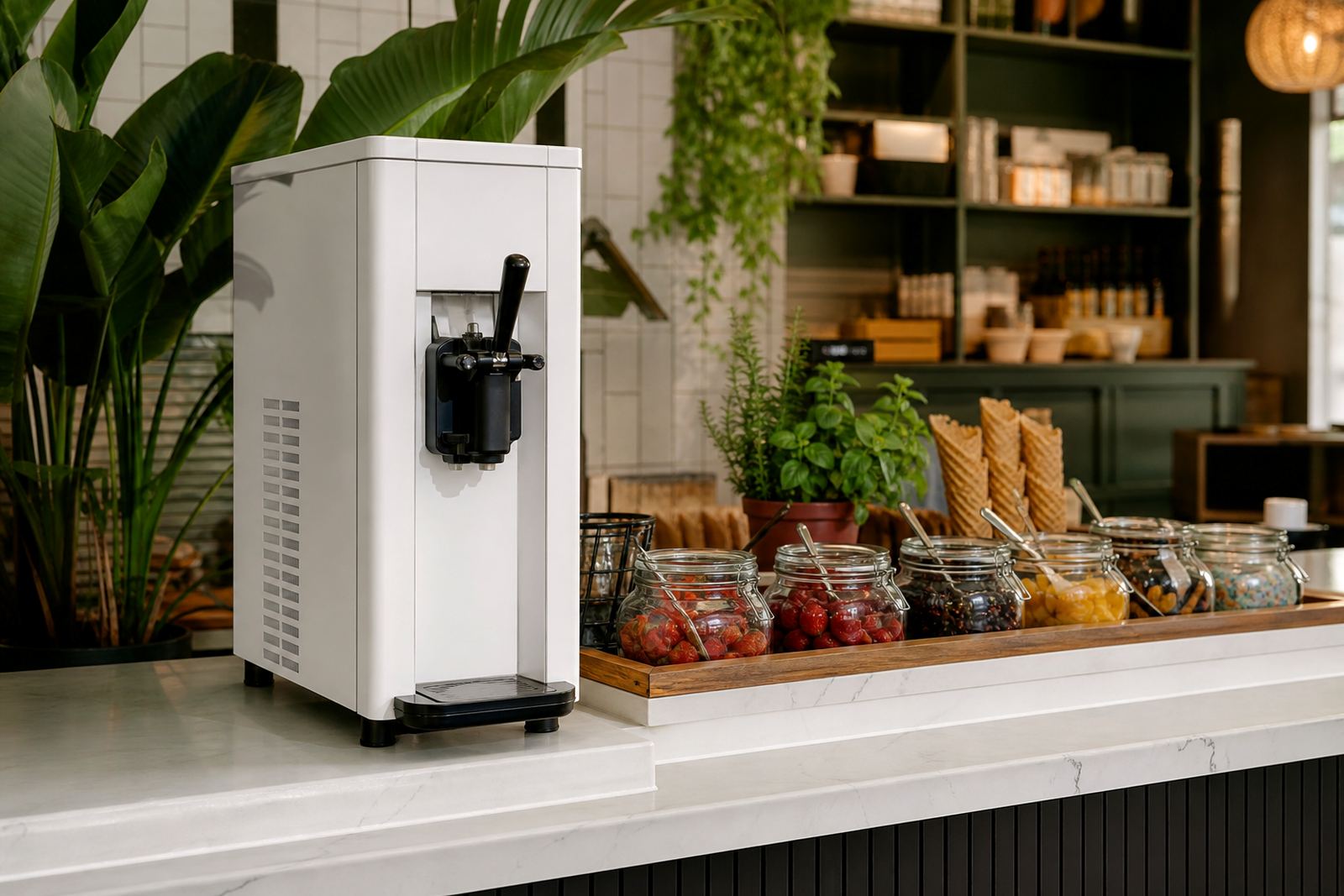
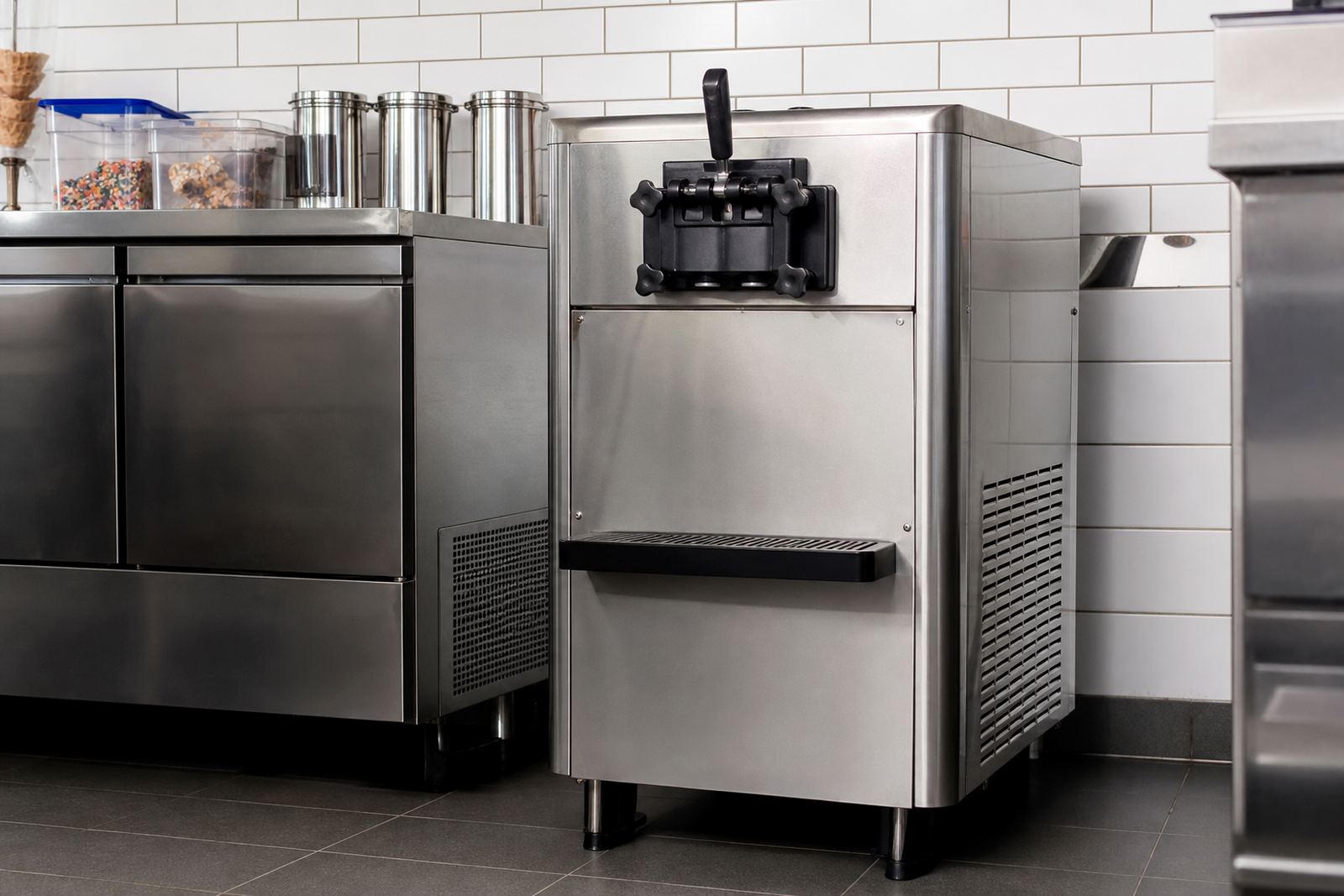
The Floor Standing Single is a single flavour soft-serve machine designed for outlets that want reliable serving speed without taking up unnecessary counter space. It is a practical choice when you need one main flavour on the menu, such as vanilla, chocolate, strawberry or frozen yoghurt, with enough output to keep up with lunch rushes, school trade and weekend foot traffic.
Because it is floor standing, the machine sits securely on its own base and is easier to position in a service area where the counter is already full. That makes it useful in restaurants, malls, beachside kiosks, petrol forecourts and casual dining spots where space planning matters. It is also a good fit for operators who want a cleaner look at the serving point and better access for cleaning around the unit.
The machine is made for daily use, not occasional novelty sales. If you are serving after load shedding, on hot days in Durban, or during peak holiday trade in coastal towns, you want equipment that starts consistently and holds mix temperature properly. This model is made for that kind of regular service, with controls that are easy for staff to follow.
Sizes, output and practical options
Single flavour machines are chosen for their simplicity, but there are still useful options to match the site and expected demand. Depending on the model selected, you can look at air-cooled or water-cooled operation, gravity-feed or pump-assisted mix delivery, and different hopper capacities for longer service runs between refills.
For most South African food businesses, the important decision is not only how many litres the machine can hold, but how quickly it can recover during a busy period. A floor standing unit should be sized to suit your peak trade, not only your average trade. In many cases a café that sells dessert after lunch may need a very different output profile to a kiosk at a school or taxi rank.
- Single flavour soft-serve or frozen yoghurt production
- Floor standing cabinet for stable placement and easier access
- Suitable for continuous daily service in medium to high foot traffic sites
- Options available for different cooling styles and mix feed setups
- Can be paired with frozen yoghurt mixes or standard dessert mixes
If you are planning a new site, it helps to measure the service area properly before ordering. Check doorway widths, floor space, and the turning angle needed to move the machine into position. In some older buildings in Pietermaritzburg or Durban CBD, access through narrow corridors can matter as much as the machine itself.
Where this machine suits best
This product suits businesses that need dependable dessert sales without the complexity of a multi flavour setup. It works well in restaurants that want a simple after-meal dessert offer, as well as take-away shops, kiosks, milkshake counters and small cafés that want a familiar soft-serve item on the menu.
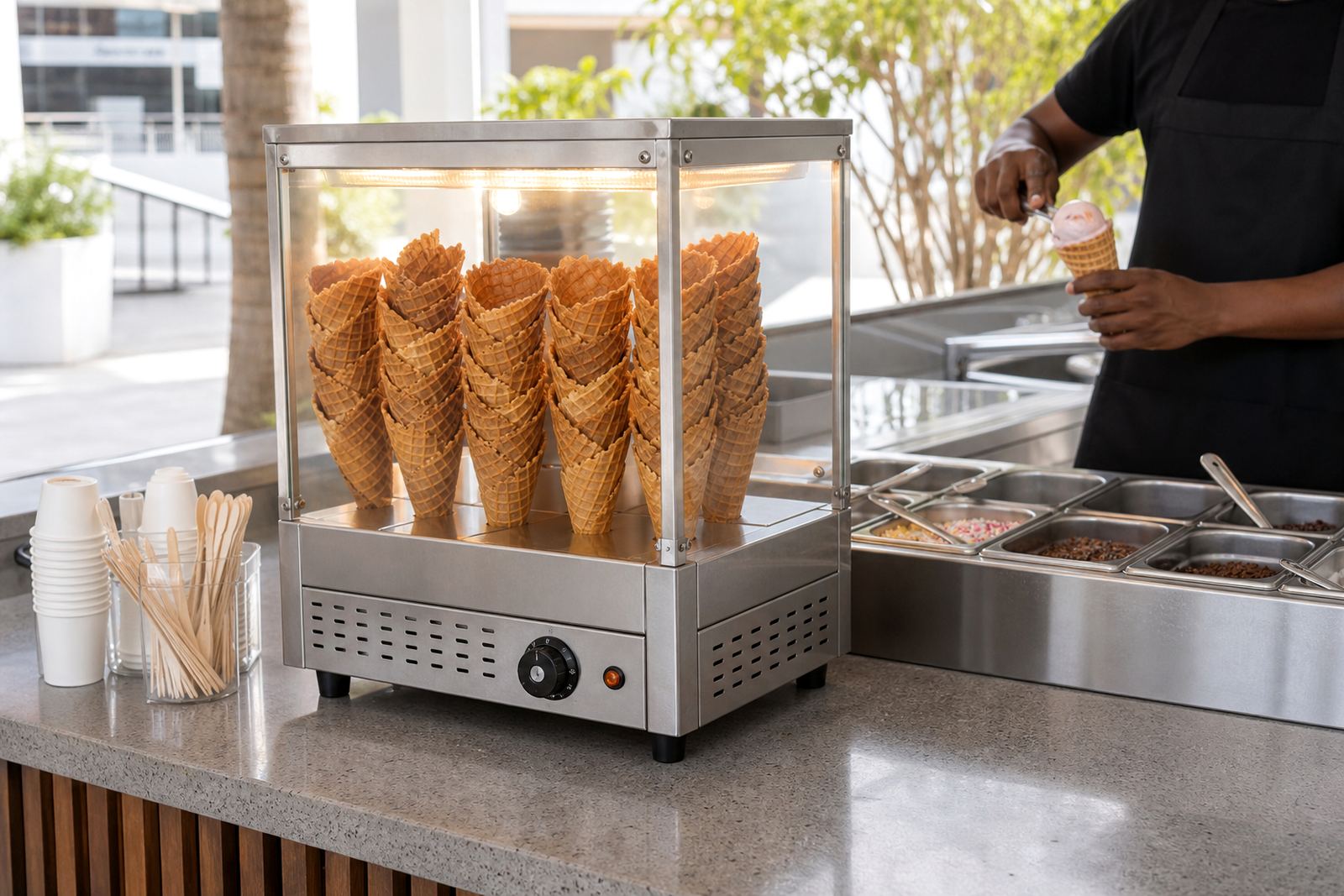
It is especially useful where staff numbers are limited. One flavour means less training time, fewer mistakes and easier stock control. That matters when your team is managing tills, packing orders and service at the same time. For businesses serving families, school groups or weekend shoppers, a single flavour machine can still carry strong turnover when paired with the right cones, cups and toppings.
In coastal areas like Durban, Umhlanga and Cape Town, humidity and salt in the air can make regular cleaning and ventilation more important. If the unit is placed near a grill, fryer or glass front that gets direct sun, allow enough space around it for airflow. A machine that is packed too tightly against the wall often runs hotter and needs more attention later on.
- Restaurants with dessert add-on sales
- Take-away shops and kiosks with steady customer flow
- Mall food courts and forecourt convenience counters
- Beachfront and holiday trading sites with seasonal peaks
- Small operations that want one reliable flavour rather than several
Power, ventilation and installation basics
Before installation, confirm the site’s power supply and the space available for heat discharge. Most floor standing single machines need a dedicated electrical point and a stable supply that is protected from poor wiring and overloads. In South Africa, that means checking your distribution board, plug point location and whether the site is already carrying fridges, ovens or display units on the same circuit.
Air-cooled units need good ventilation around the sides and rear. Water-cooled units are better where the room is hot or the machine will run for longer periods, but they need water connection planning and proper drainage. If your site uses a generator during outages, ask for the full power draw so the machine can be matched to the backup system properly.
Installation should include positioning, testing, startup commissioning and operator training. The machine must be level, the first mix must be calibrated correctly, and the team should know how to read warning lights, manage refill timing and clean the parts at the end of trade. If the unit is being moved to a new branch in Johannesburg, Pretoria or Cape Town, site relocation planning can save a lot of downtime.
Cleaning, servicing and daily care
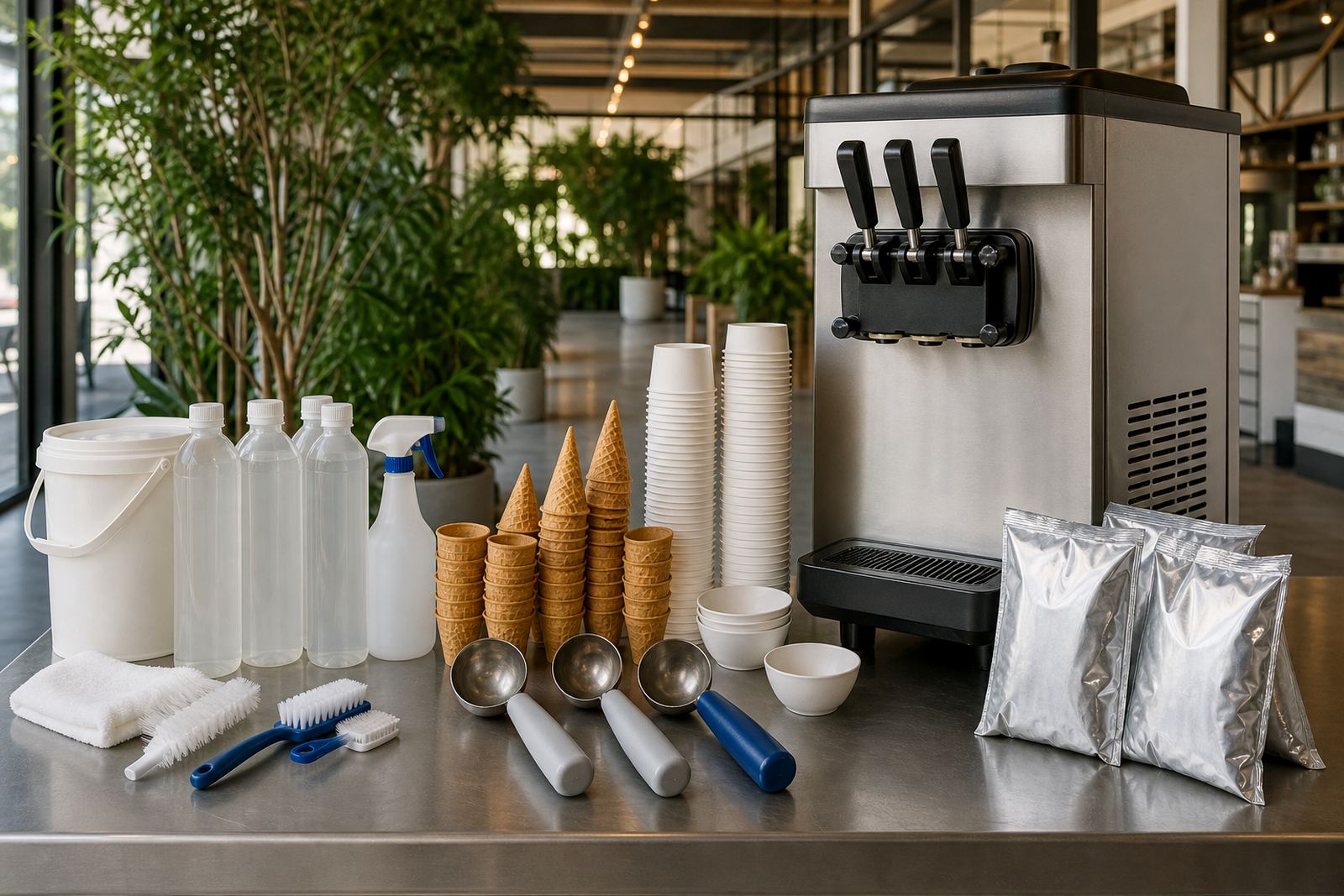
Soft-serve and frozen yoghurt equipment needs regular care if you want consistent texture and safe serving temperatures. Daily cleaning should cover hoppers, draw parts and removable components. Deep clean service should be done on schedule, especially in busy sites where mix is used throughout the day and sugary residue builds up faster.
Preventive maintenance is worth planning before a fault appears. That usually includes checking seals, inspecting wear parts, confirming the refrigeration system is working as expected and making sure the machine is not running harder than it should. In humid conditions or where the machine is placed close to the coast, maintenance intervals should be watched closely because moisture can affect performance over time.
- Daily rinse and clean after trade
- Scheduled deep clean service for hygiene control
- Seal and parts replacement when wear is visible
- Mix calibration checks for correct texture and portion control
- Season prep checks before school holidays, summer or busy weekends
If there is a breakdown, quick fault finding matters. Common issues include poor airflow, blocked seals, worn parts or mix that has not been prepared correctly. A proper service plan should include phone support, onsite repairs where needed, and a stock of sanitising supplies so the machine can return to service without delays.
What to confirm before you place the order
When ordering a Floor Standing Single, check the flavour requirement, available floor space, power access and whether the site will use standard mix or frozen yoghurt mix. You should also confirm if you need air-cooled or water-cooled operation, because that choice depends on the room conditions and how long the machine will run each day.
It also helps to confirm delivery access, especially for upstairs stores, tight doorways or sites with narrow service passages. If the machine is going to Durban, Johannesburg, Pretoria, Cape Town or Gqeberha, the receiving area should be ready and staff should know who will sign for the delivery. Ask about startup commissioning and operator training at the same time, so the unit is ready to trade from day one.
- Flavour type and expected daily sales
- Site power supply and backup power arrangements
- Ventilation space around the machine
- Access for delivery, positioning and future servicing
- Mix type, cone supply and sanitising stock requirements
For businesses that trade through summer and slow months alike, the right machine choice comes down to practical details. Get those right up front and the machine is easier to manage, cheaper to maintain and better suited to your counter flow. That is usually what keeps dessert sales consistent, even when trading conditions change.
Key facts
| Product type | Floor standing single flavour soft-serve machine |
|---|---|
| Capacity | Higher output for regular daily service |
| Cooling options | Air-cooled or water-cooled depending on site |
| Mix compatibility | Soft-serve mix and frozen yoghurt mix |
| Recommended use | Restaurants, take-away shops, kiosks and cafes |
| Support options | Installation, training, servicing and repairs |