

Home / Services / Startup Commissioning

Services

Startup Commissioning

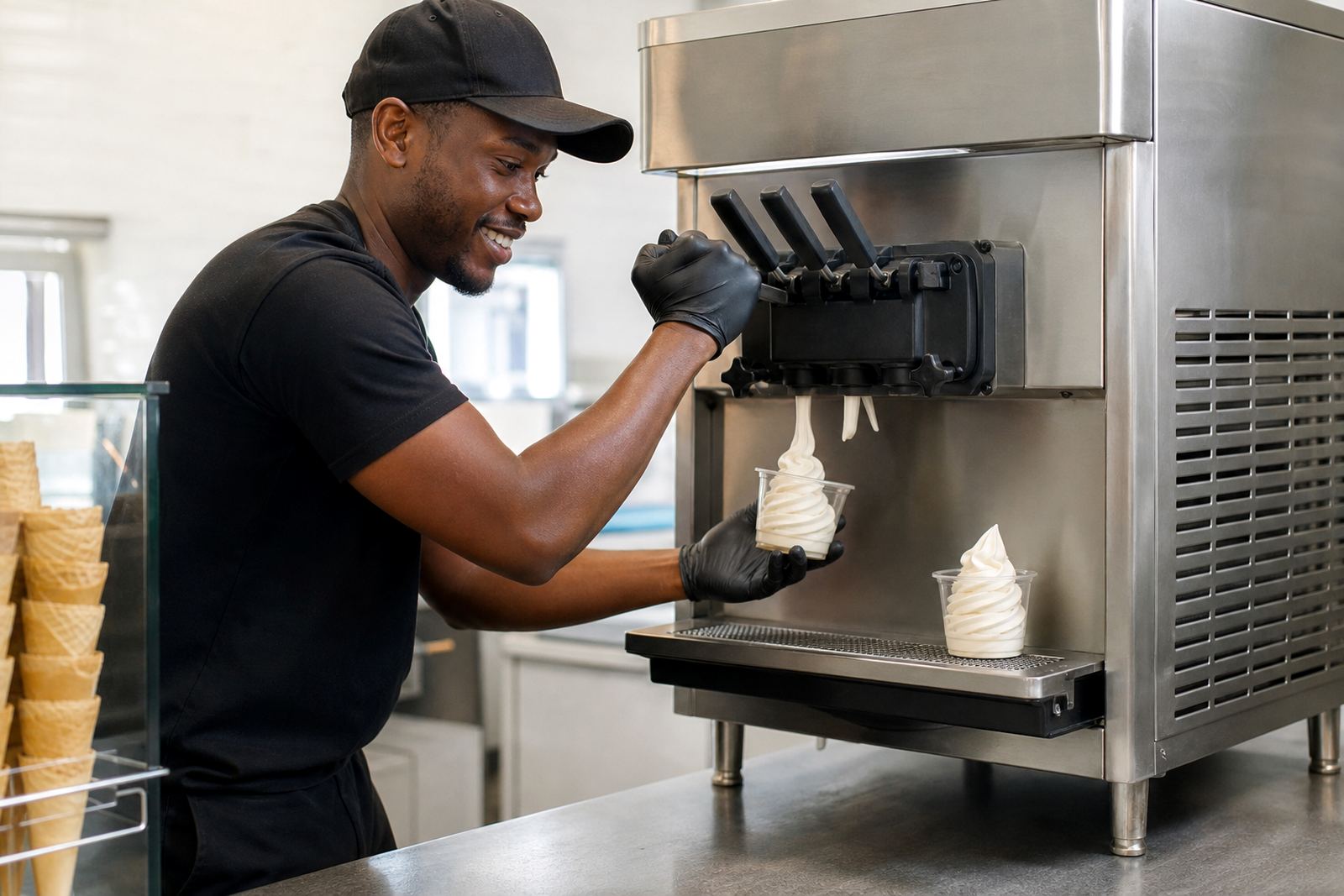
Get your soft-serve or frozen yoghurt machine set correctly from the first day of service. We check output, temperature, mix flow and cleaning routines so your team can serve with confidence.

Startup Commissioning

What startup commissioning covers on site

Startup commissioning is the first proper handover after installation or relocation. We go through the machine in running conditions, check that every setting suits the product you are serving, and make sure your staff know the daily routine before trading starts. For cafes, kiosks and restaurants in Durban, Johannesburg, Pretoria, Cape Town and Gqeberha, this saves time later and helps avoid the usual first-week issues such as overrun faults, weak draw, or mix that is too cold or too soft.

The service is suited to single-flavour and twin-flavour soft-serve units, as well as frozen yoghurt machines with gravity or pump feed. We also look at local site factors such as power stability, water pressure where relevant, ventilation, counter space and whether the machine can be cleaned properly without squeezing it into a corner.

  • First-run inspection and operational check
  • Product flow, air incorporation and output testing
  • Temperature and viscosity checks
  • Basic operator training on the spot
  • Hygiene and shutdown procedure review

Checks we carry out before the first sale

Before any product is served, our technical supervisor checks the machine from the inside out. That includes power connection, compressor behaviour, freezing cylinder performance, hopper function, seals, dashers and dispense movement. If the machine was fitted into a new site or moved between branches, we also check alignment and level, because even a slight tilt can affect output and freezing consistency.

We test the product using the correct mix ratio for your chosen cone or cup menu. If the setting needs adjustment, we tune it there and then and recheck the result. For shops near the coast, we pay extra attention to salt air exposure and electrical connections, since Durban and Gqeberha conditions can shorten the life of loose fittings if they are not checked early.

  • Electrical load and start-up response
  • Compressor and freezing cylinder behaviour
  • Mix consistency and draw speed
  • Dispense lever action and drip control
  • Safety switches and basic fault indicators

How the commissioning visit runs

Most visits start with a short site walk-through so we can confirm access, counter layout and where cleaning materials will be kept. We then run the machine through its first cycle, observe the freeze pattern and make adjustments where needed. Once the machine is stable, we show your team how to move from preparation mode to serving mode, and how to shut down properly at close of business.

We keep the process practical. No long theory, just the steps your staff will use every day. If your business trades in a busy food court or kiosk, we can show the fastest cleaning sequence that still meets hygiene rules. Where municipal or mall requirements apply, we also help set out a workable cleaning record and changeover routine.

  • Site check and machine review
  • Live start-up and calibration
  • Product test and texture adjustment
  • Cleaning and daily care walk-through
  • Handover notes for the manager or operator

Training topics covered during handover

Commissioning includes operator guidance so the machine is not left to guesswork after the technician leaves. We show your team how to read the product texture, when to top up mix, how to avoid overfilling, and what to do if the machine starts behaving differently during a rush period. This is especially useful for seasonal businesses that bring in extra staff over holidays or school breaks.

We also explain how to manage hygiene from day one. That means safe handling of mix, daily sanitising steps, brush cleaning, cone and cup storage, and what signs point to a seal problem or worn part. If you are running a small kiosk with limited prep space, we can suggest a simple routine that fits around trading and does not slow service down.

  • Correct mix handling and calibration basics
  • Daily cleaning and sanitising routine
  • Start-up, serve, pause and shutdown steps
  • Signs of poor freeze, air mix issues or seal wear
  • Basic fault reporting and when to call for help

Turnaround times and booking windows

For new installs in Durban and Springfield Park, commissioning is usually arranged soon after delivery and fitting, once power and product supply are ready. For out of town sites, we schedule by route and urgency, with visits grouped for Johannesburg, Pretoria, Cape Town, Gqeberha and Pietermaritzburg where possible. Turnaround depends on site readiness, access hours and whether any setting changes are needed after the first test.

In most cases the visit itself is completed in a few hours, but a more detailed handover can take longer if the machine has been relocated, if staff need extra training, or if the product formula must be adjusted for your serving style. If your site has early trading hours, we recommend booking commissioning before the first public service day so there is time to fix any teething issues.

Pricing approach and what affects the cost

Startup commissioning is priced according to the machine type, site location and scope of work. A simple first-run check for one unit at a Durban site will cost less than a multi-machine handover for a chain store with staff training, mix calibration and relocation checks. We quote on a practical basis, so you only pay for the work needed to get the machine ready for service.

Transport, after-hours access, multiple units and urgent booking requests can affect the price. If the machine needs extra calibration because the chosen mix is thicker or lighter than standard, that is also taken into account. We keep pricing clear from the start so you can budget properly before opening day. No surprises and no padded extras.

  • Machine type and number of units
  • Site distance and access conditions
  • Training time required for staff
  • Extra calibration or relocation checks
  • After-hours or rush bookings

Maintenance intervals after commissioning

Once the machine is commissioned, regular upkeep keeps output steady and lowers the risk of breakdowns. We normally recommend a daily cleaning routine, weekly visual checks on seals and dispense points, and a planned service every 3 to 6 months depending on trade volume. High-volume shops, especially in hot inland areas, may need closer intervals because the machine works harder and sits under more strain.

For coastal sites, humidity and salt in the air can mean more frequent checking of fittings and electrical connections. During peak season we also suggest a pre-season check so the machine is ready before weekends and school holidays pick up. If you want, we can combine commissioning with a maintenance plan and parts schedule so the same standards are kept after the first run.

  • Daily clean and sanitise
  • Weekly check on seals, level and mix feed
  • 3 to 6 monthly service intervals
  • Pre-season and holiday readiness checks
  • Extra attention for coastal or high-volume sites

Key facts

Machine typesSoft-serve and frozen yoghurt units, single or twin flavour
Site coverageDurban, Johannesburg, Pretoria, Cape Town, Gqeberha and surrounding areas
Typical visit timeA few hours for a standard single-unit handover
Training includedOperator start-up, serving routine and shutdown procedure
CalibrationMix ratio, texture, temperature and output settings
Follow-upService interval guidance and fault reporting advice

What our Soft-Serve Machine customers say

Verified Google reviews

Questions we get asked

Is startup commissioning needed if the machine has already been installed?

Yes. Installation sets the unit in place, but commissioning confirms the settings, output and hygiene routine are correct before first trade.

Can you commission more than one machine at the same site?

Yes. We can handle multiple units and make sure each one is set for its own product and serving pace.

How often should the machine be checked after commissioning?

We recommend daily cleaning, weekly visual checks and a planned service every 3 to 6 months, depending on how much you trade.

Planning something? Send the team a message.

Contact form