
A compact rinse point for busy dessert counters
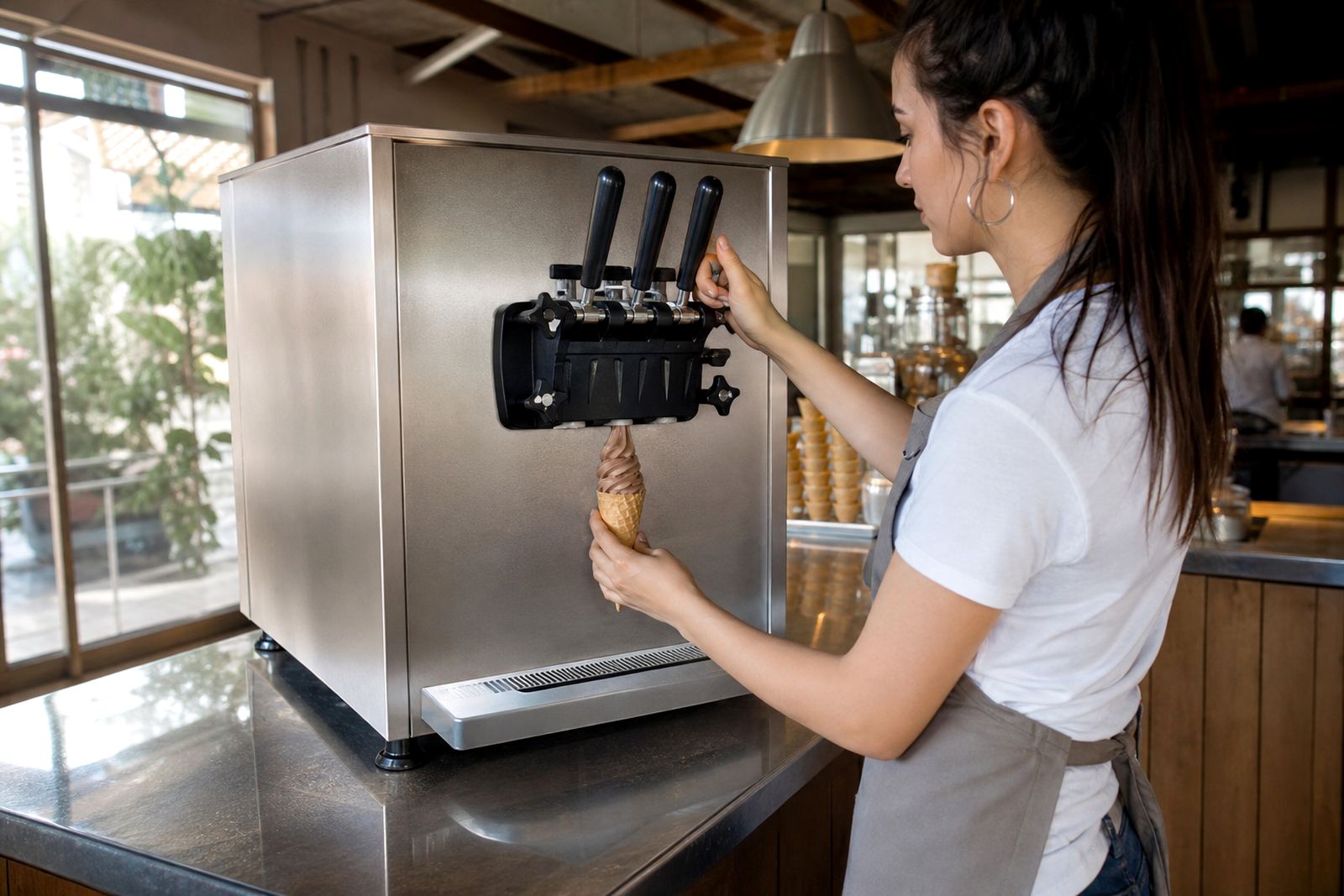
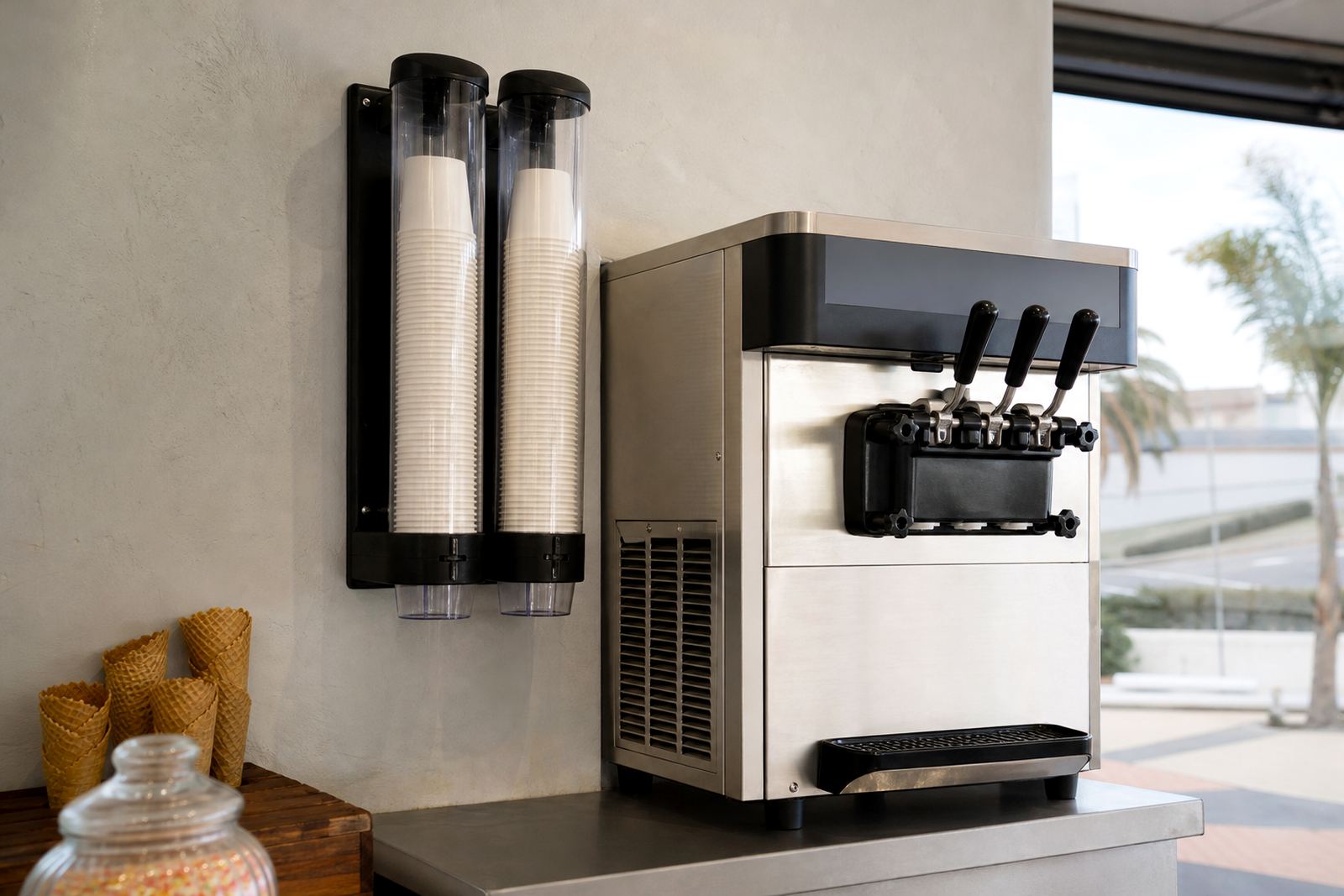
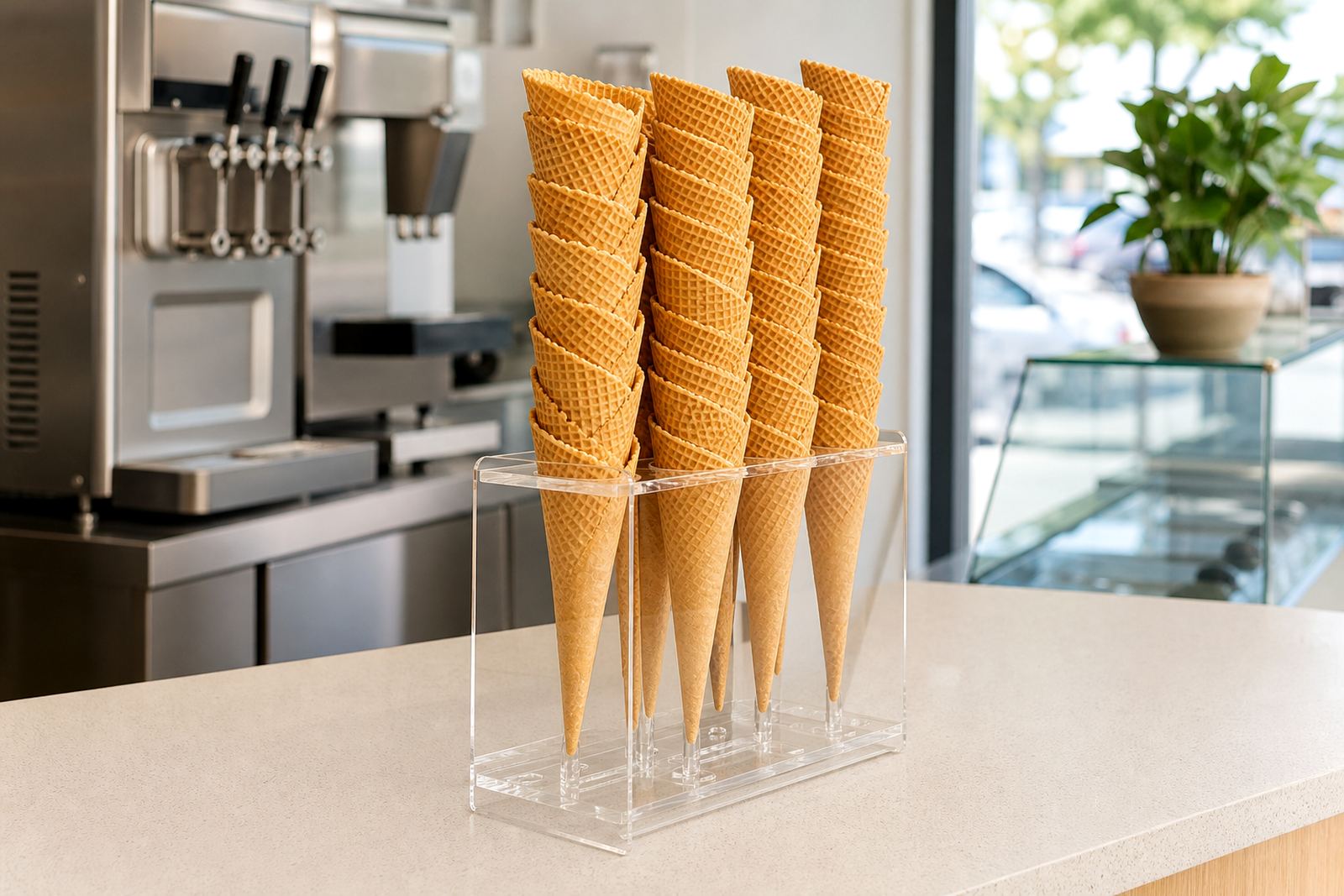
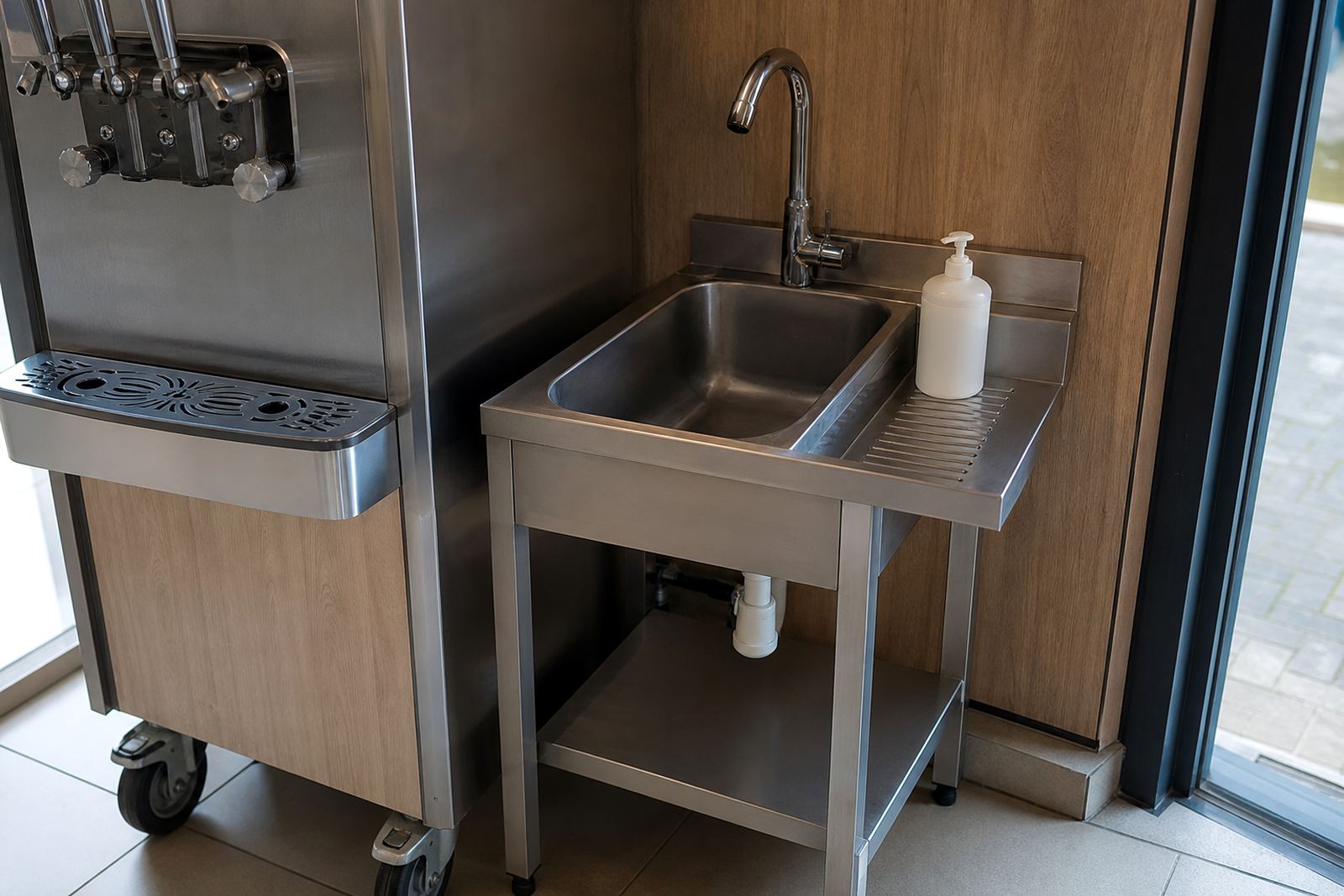
The counter rinse sink is a small wash point fitted close to the service area so staff can rinse tools between servings without walking back to the main kitchen. It is commonly used beside soft-serve and frozen yoghurt machines, topping stations and cone displays, where every second counts during peak trade. For shops in Durban, Johannesburg or Cape Town, this matters even more when the counter is busy and you need a tidy, fast routine that does not slow service.
The unit is usually built in stainless steel for easy cleaning and better resistance to moisture, sugar spills and daily wiping. It is a practical fit for inland stores and coastal sites alike, including humid areas where metal fittings and splash zones need proper care. The sink is designed for quick rinsing, not full dishwashing, so it suits the front counter workflow rather than the back-of-house sink line.
Sizes and layout choices that suit your counter
Most counter rinse sinks are supplied in compact single-bowl or small double-bowl layouts, depending on how much counter space you have and how many staff work the station. A single bowl suits smaller kiosks and takeaway counters, while a double setup is useful where one side is used for rinsing and the other for holding clean water or sanitiser. If your counter is narrow, a smaller drop-in unit with a raised splash edge keeps the working area neater.
- Typical width: 300 mm to 600 mm
- Typical depth: 300 mm to 500 mm
- Common bowl depth: 150 mm to 220 mm
- Options: splash guard, tap hole, drain tray and under-counter waste outlet
- Finish: brushed stainless steel for easy wiping
On some sites the sink is paired with a lower shelf or a small drain tray for spoons, whisks and serving tools. If you are planning a new counter layout, measure the cut-out space carefully and allow enough room for plumbing access at the back or underneath.
Where the sink fits best in service operations
This product suits dessert counters that need a quick rinse point between customer orders. It works well in soft-serve outlets, frozen yoghurt bars, café dessert counters, school canteens, kiosks and fast-moving takeaway shops. Restaurants with a dedicated dessert station also find it useful because staff can keep nozzles, scoops and small utensils cleaner during service.
For stores in Pietermaritzburg or Gqeberha, where foot traffic can rise sharply at weekends and holidays, a rinse sink helps keep the service rhythm steady. It also reduces the chance of cross-contamination where toppings, sauces and dairy products are handled in the same area. In compact premises, it can be the difference between a counter that feels cramped and one that works properly.
- Good for high-turnover dessert service
- Useful where staff work from one counter only
- Helpful in mall kiosks with limited back-of-house space
- Suitable for front-of-house hygiene routines
Installation, plumbing and utility needs
The counter rinse sink normally needs a standard water connection, waste line and secure mounting on a stable counter frame. It does not require gas or heavy electrical supply on its own, although the surrounding counter equipment may have its own power needs. If you are installing it near a soft-serve machine, allow enough space so splashback does not affect electrical plugs or control panels.
We normally recommend a local plumber checks the water pressure, waste fall and trap position before the unit goes in. In older buildings or rented kiosks, the waste route can be tight and municipal rules may require grease or waste handling checks depending on the site setup. For coastal locations, good sealing around the sink cut-out helps prevent swelling in timber surrounds and corrosion at exposed fixings.
During load-shedding, a rinse sink remains useful because it does not depend on power, so it still supports service when refrigeration or counter lighting is being managed carefully. If the sink is placed near a generator-backed area, make sure the plumbing and surrounding materials can handle vibration and regular use.
Care, cleaning and servicing between shifts
Daily care is straightforward. Rinse away sugar, dairy residue and cone crumbs after service, then wipe the bowl and surrounding counters dry. A mild food-safe cleaner is usually enough for normal use. In humid Durban conditions or in outlets near the coast, it is worth drying the fittings fully at the end of the day to reduce staining and water marks.
Routine checks should include the tap, waste outlet, seals and any splash guards. If the drain slows down or the sink starts to smell, the trap may need cleaning. Small issues caught early are easier and cheaper to sort than a blocked line during a Saturday rush. For multi-site operators, include the rinse sink in your preventive maintenance checklist along with machine cleaning and seasonal servicing.
- Wipe and dry after each trading day
- Check for loose fittings every month
- Clean the waste trap before peak season
- Inspect sealant after relocations or heavy cleaning
What to check before you place an order
Before ordering, confirm the available counter space, the bowl size you need and whether the sink must be left- or right-handed for your workflow. Measure the cut-out area carefully and check where the water inlet and waste outlet will sit. If the unit is going into a kiosk or mall site, confirm any landlord or centre management rules on plumbing, drainage and surface finishes before installation day.
You should also decide whether you want a simple rinse point or a fuller station with splash protection and extra prep space. If the site is in a busy trading area, ask about service access, spare fittings and how the sink will be maintained after commissioning. A small detail like the tap position or waste outlet direction can affect daily use more than people expect, so it is worth getting right first time.
Clients in Durban, Springfield Park, Umhlanga, Johannesburg, Pretoria, Cape Town, Gqeberha and Pietermaritzburg can send an enquiry through the contact page for product guidance and ordering support. We assist with installation, startup commissioning, operator training and after-sales service, including deep clean work, seal and parts, and site relocations when the business moves.
Key facts
| Product type | Compact counter rinse sink for dessert service |
|---|---|
| Construction | Stainless steel bowl and top |
| Common sizes | 300 mm to 600 mm wide |
| Bowl depth | 150 mm to 220 mm |
| Utility needs | Water supply and waste outlet |
| Typical use | Soft-serve, frozen yoghurt and café dessert counters |