
What a Mix Storage Fridge Does in Daily Service
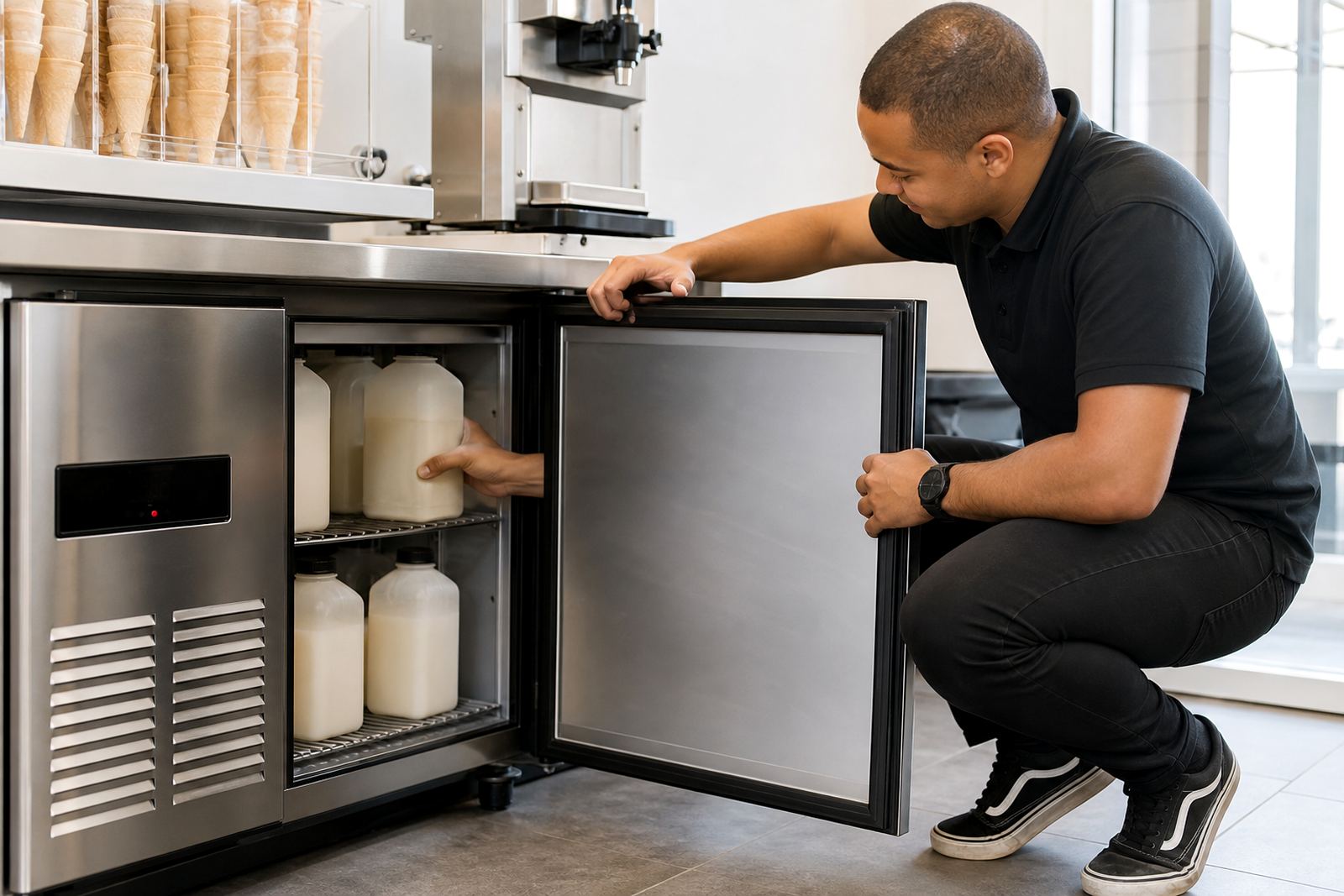
A mix storage fridge is a chilled holding cabinet used to store liquid soft-serve mix or prepared frozen yoghurt mix before it is poured into the machine or served from a chilled system. It keeps product at a stable, food-safe temperature and gives staff a cleaner way to manage peak trading hours, especially where there are short rushes at lunch, after school, or on weekends in Durban, Johannesburg and the coastal towns where humidity works against cold storage.
This unit is not a display fridge and it is not a freezer. It is built for controlled holding, so the mix stays ready for service without freezing solid or sitting too warm on the counter. For operators running a kiosk, café or dessert corner, that means less wastage, better portion control and fewer interruptions during service. In many sites the fridge sits close to the machine, but it can also support a back-of-house prep area if the layout is tight.
Because the product is handled in a food environment, the cabinet needs smooth interior surfaces, a door that seals properly and shelves or compartments that can be cleaned quickly. A good storage fridge also helps with compliance, since municipal health inspections often look closely at cold chain handling, hygiene records and general cleanliness around food preparation points.
Sizes and Layout Options for Small or Busy Counters
We supply mix storage fridges in practical sizes suited to different trading volumes. A smaller undercounter unit is useful where space is limited, while taller upright units suit stores that keep more mix on hand for long operating days or higher footfall. The right choice depends on how often you refill the machine, your daily cover count and how much floor space is available around the counter.
- Undercounter format for compact cafés, kiosks and takeaway counters
- Upright format for larger dessert counters or central prep areas
- Single or double door layouts depending on storage volume
- Fixed shelving or adjustable shelving for containers and jugs
- Stainless or easy-wipe interior surfaces for faster cleaning
In Springfield Park and other busy business nodes, operators often prefer a compact footprint with front access so staff can work quickly behind the counter. In larger stores in Pretoria or Cape Town, a taller cabinet may be more practical because it allows better separation of fresh mix, backup stock and cleaning items. The exact configuration should match your trading pattern, not just the available wall space.
Where This Fridge Suits Best
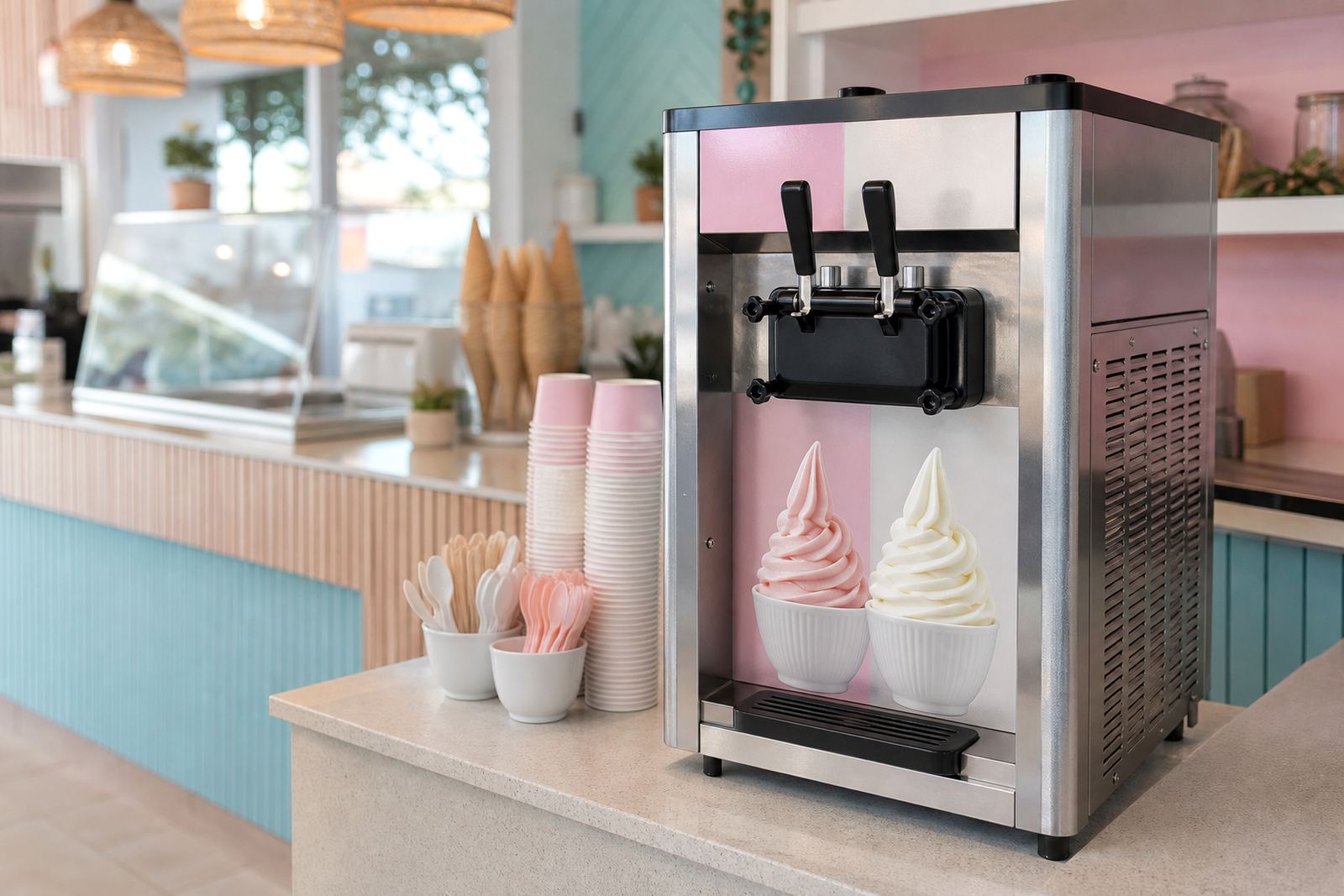
This product suits sites that serve soft-serve, frozen yoghurt or other chilled dessert products and need reliable holding before service. It is a practical fit for cafés, mall kiosks, forecourt food counters, family restaurants, resort dining rooms and school or leisure venues where demand rises in waves. It also helps when you are receiving mix in batches rather than using small daily quantities.
For coastal areas such as Durban and Gqeberha, a good storage fridge is especially useful because warm air and humidity can make temperature control harder if stock is left out too long. In inland areas such as Johannesburg, Pretoria and Pietermaritzburg, the unit still matters because staff turnover, load-shedding planning and busy service periods can all affect how carefully mix is handled. If your site already has a strong cold room setup, this fridge can sit as a dedicated point-of-use unit and keep service simple.
- High footfall dessert counters
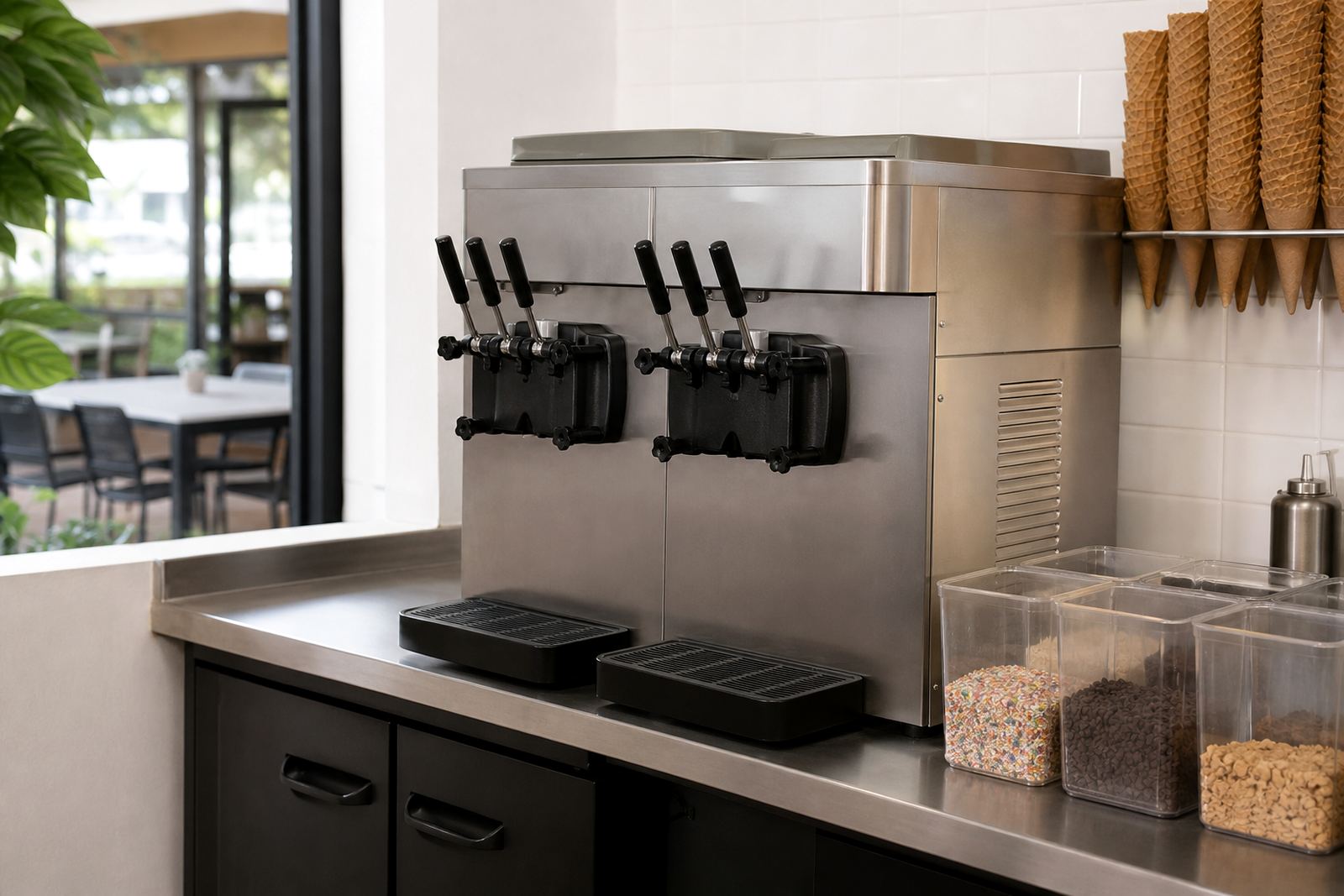
- Small kitchens with limited back-of-house space
- Sites that need fast access during peak periods
- Businesses that receive mix in regular deliveries
- Operations wanting better food handling discipline
Installation, Power and Site Requirements
Installation is straightforward, but the unit must be positioned correctly for safe operation. It should stand level on a solid floor, with enough clearance for air movement around the condenser and access for cleaning. Avoid placing it directly beside ovens, fryers or in direct sun, because excess heat will force the compressor to work harder and can shorten equipment life.
Power requirements depend on the size of the cabinet, but most units run on standard single-phase supply. A dedicated socket is recommended, and if your site experiences load-shedding you should plan for backup power or a controlled shutdown routine. Where the fridge is part of a larger dessert line, we check the total electrical load and make sure the circuit is suitable. If the unit must be moved between branches or relocated within a store, it should be handled upright and left to settle before switching on.
- Level surface and clear ventilation space
- Single-phase power for most small to medium units
- Dedicated socket recommended
- Backup power planning for load-shedding areas
- Keep away from direct heat sources and strong sunlight
Care, Cleaning and Ongoing Servicing
Daily care is simple if the cabinet is used properly. Wipe spills straight away, keep the door seals clean and avoid overloading shelves so cold air can move freely. Containers should be closed before storage and dated where needed. If mix is being held for service, staff should follow the same hygiene routine every shift so there is no guesswork when the pressure is on.
Regular servicing helps keep temperatures stable and extends the life of the compressor, fan and seals. At minimum, the condenser area should be cleaned out, the door gasket checked and the thermostat verified. In humid coastal conditions, dust and moisture can build up quickly so routine maintenance matters. We also recommend seasonal checks before school holidays, summer trading and any long weekend period when sales patterns change. A unit that is running too cold or too warm can affect mix consistency and create waste, which is expensive over time.
Our support can include installation, startup commissioning, preventative maintenance, breakdown repairs, deep clean service, seal and parts replacement, mix calibration and phone support. That gives operators a single point of contact when the fridge or the wider dessert setup needs attention.
What to Confirm Before You Place an Order
Before ordering, confirm how much mix you hold at once, where the unit will stand and whether you want a compact cabinet or a larger storage solution. It also helps to check the doorway widths, floor space and power point position at your site. If the fridge must pass through a narrow kitchen or up a staircase, measure the route too, not just the final position.
You should also confirm whether you need a matching workflow with your machine, as some sites keep the fridge next to the dispenser while others store mix in a prep area. If you serve multiple flavours or rotate stock through the day, say so during enquiry so the cabinet size can be matched properly. For colder coastal stores, or sites that trade through high summer temperatures, it is worth asking about insulation and airflow requirements as well.
- Daily mix volume and peak service demand
- Available floor space and doorway access
- Power point position and backup power plan
- Whether storage is front-of-house or back-of-house
- Need for shelves, compartments or container support
Our team in Durban supports customers across South Africa, including Springfield Park, Umhlanga, Johannesburg, Pretoria, Cape Town, Gqeberha and Pietermaritzburg. If you are comparing options for a new site or a replacement unit, send your enquiry through the contact form and we will help you choose the right fridge for the way you trade.
Key facts
| Product type | Chilled mix storage fridge for liquid or prepared mix |
|---|---|
| Use case | Safe holding before service in cafés, kiosks and restaurants |
| Capacity options | Compact undercounter to larger upright formats |
| Temperature control | Adjustable chilled storage for food-safe holding |
| Power supply | Standard single-phase supply on most models |
| Typical finish | Easy-clean food service interior with sealed door gaskets |